
In modern urban living, where every square foot counts, mastering the art of designing a minimalist living room within a limited footprint is essential. This style not only optimizes your available space but also fosters a tranquil and orderly environment that can significantly enhance your daily life.
Let’s dive into effective strategies to transform your small living area into a minimalist retreat that exudes openness and warmth.
Understanding the Essence of Minimalist Interiors
Before implementing design tactics, it’s important to grasp the fundamental philosophy behind minimalism. At its core, minimalism prioritizes purposeful selection-favoring quality and necessity over excess.
Choosing a Soft, Neutral Color Scheme
Starting with a subdued color palette is key to making a compact living room feel airy and expansive. This doesn’t imply dullness; rather, it creates a serene backdrop that enhances spatial perception.
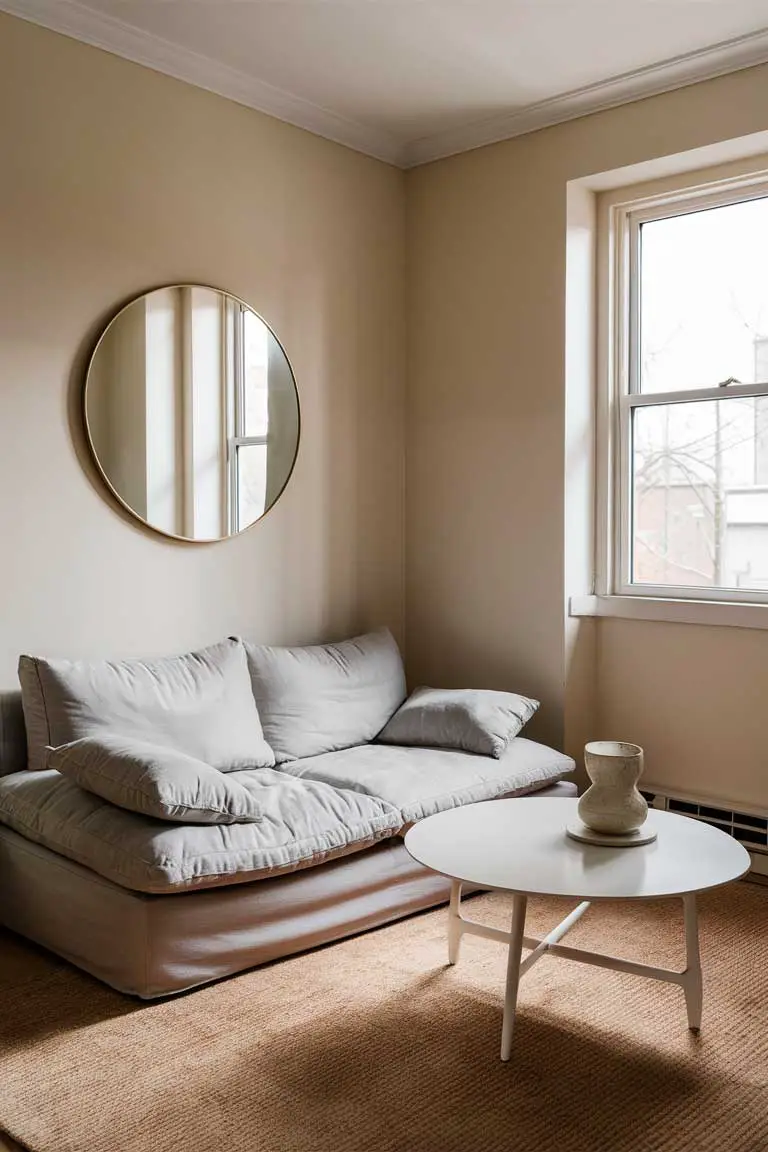
Utilizing shades like off-white, taupe, and pale gray crafts a clean canvas that visually enlarges the room. This neutral foundation allows standout furnishings or decor to shine while minimizing visual noise.
Incorporate subtle bursts of color through accessories such as cushions, decorative vases, or framed prints. These accents become more striking against the neutral backdrop and can be effortlessly swapped to refresh the ambiance.
Harnessing the Power of Natural Illumination
Natural light dramatically enhances the perception of space in smaller rooms. If your living room benefits from generous windows, capitalize on this advantage.

Opt for translucent curtains or light-filtering blinds that maintain privacy without sacrificing brightness. This connection to the outdoors reduces feelings of confinement.
In spaces with limited sunlight, strategically placed mirrors can amplify available light. Positioning a large mirror opposite a window can effectively double the natural light, enhancing openness.
Smart Furniture Choices for Compact Minimalism
In small living rooms, furniture must be both functional and space-conscious. Multi-purpose and streamlined pieces are invaluable.
Furniture That Serves Multiple Functions
Versatility is crucial in minimalist small spaces. Select furnishings that fulfill more than one role to maximize utility without overcrowding.

A convertible sofa bed is perfect for hosting guests overnight. Nesting tables offer flexible surface space and can be neatly stored when not in use. Ottomans with concealed storage provide seating, footrests, and hidden compartments for essentials like throws or magazines.
These adaptable pieces deliver the comforts of a larger living room while preserving valuable floor area.
Opting for Sleek, Low-Profile Furnishings
Choosing furniture with a low silhouette can visually elevate ceiling height and expand the room’s feel.

Furniture with slender legs reveals more floor space, enhancing the sense of openness. Choose compact sectionals or a loveseat paired with a distinctive armchair instead of bulky seating sets to avoid overwhelming the room.
Innovative Storage Techniques to Maintain Clarity
Effective storage is vital in small minimalist rooms to keep clutter at bay while preserving a sleek aesthetic.
Incorporating Built-In Storage Solutions
Custom built-ins are excellent for maximizing storage without disrupting the room’s flow.

Floor-to-ceiling shelving units not only offer ample storage but also draw the eye upward, creating an illusion of height. Matching the built-ins to wall colors ensures a seamless, uninterrupted visual flow.
Don’t overlook spaces beneath windows; a built-in bench with hidden compartments can double as a cozy nook and storage area.
Utilizing Concealed and Multi-Use Storage
Storage that remains out of sight is ideal for maintaining a minimalist vibe.

Look for sofas with built-in drawers, coffee tables with lift-tops revealing storage, or side tables with cabinets to keep belongings organized without adding visual bulk.
Vertical storage options like wall-mounted shelves or tall, narrow bookcases free up floor space while providing display and storage opportunities. However, avoid overcrowding these areas to maintain balance and openness.
Adding Depth and Character to Minimalist Rooms
Minimalism doesn’t equate to monotony. Thoughtful design choices can infuse personality and interest without clutter.
Establishing Eye-Catching Focal Points
In minimalist interiors, each selected item carries significant visual weight. A well-placed focal piece can define the room’s character.

This might be an eye-catching artwork, a designer light fixture, or a unique chair. Keeping surrounding decor understated allows the focal point to command attention.
Functional items like a sculptural floor lamp or a sleek bookshelf can double as statement pieces, blending utility with style.
Incorporating Varied Textures and Materials
While neutral tones dominate, layering different textures enriches the sensory experience of the room.
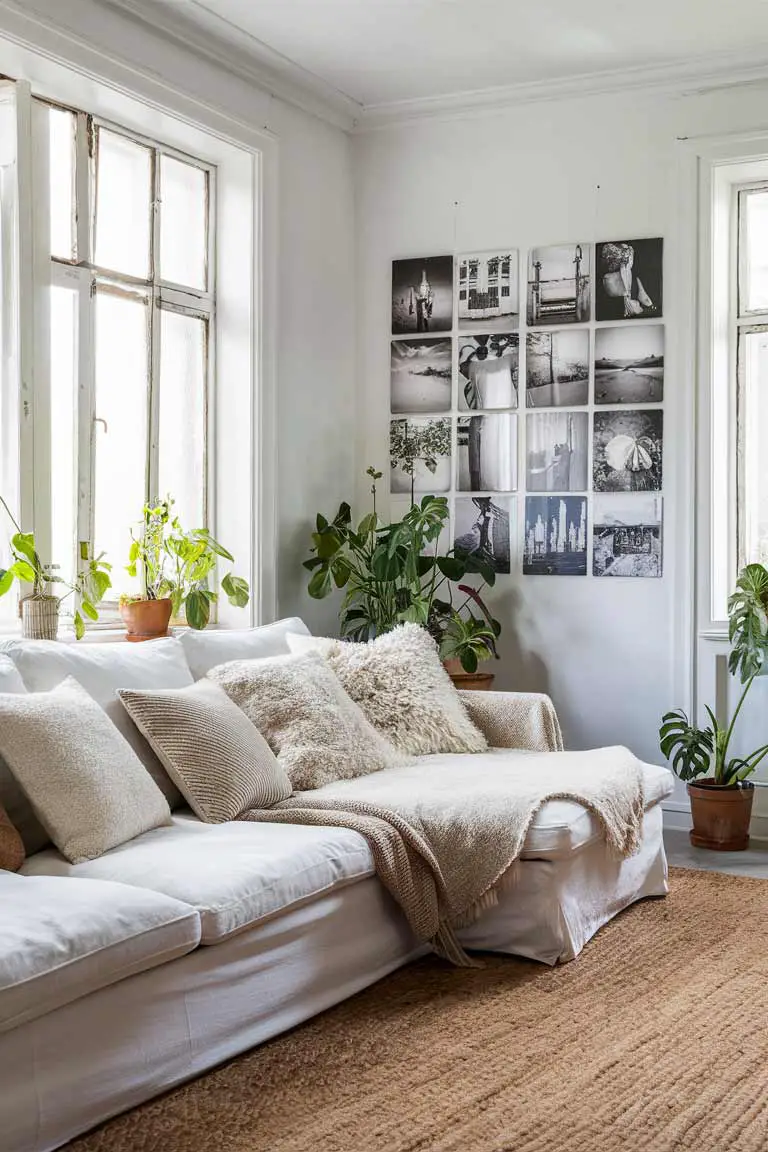
Combine materials such as smooth leather, natural wood, soft textiles, and metal accents to create visual and tactile contrast. For example, a leather sofa softened by a chunky knit throw or a wooden coffee table paired with a textured rug adds dimension.
Consider textured walls, like exposed brick or subtle wallpaper patterns, to add depth without overwhelming the minimalist aesthetic.
Optimizing Layout for Maximum Space Efficiency
Furniture arrangement significantly influences how spacious a room feels. Thoughtful planning is essential in compact areas.
Adopting Open-Concept Arrangements
Open layouts foster a sense of flow and expansiveness.

Ensure clear pathways by avoiding furniture that blocks windows or doorways. Use area rugs or furniture placement to define zones, such as separating seating from a workspace or dining nook.
Leveraging Vertical Space to Expand Visually
When floor area is limited, look upward.

Install tall shelving or floor-to-ceiling curtains to draw the eye upward, creating an illusion of height. Wall-mounted TVs and floating shelves free up floor space while adding functionality.
Don’t forget to utilize often-neglected areas above doors and windows for additional storage or display.
Minimalist Accessories That Enhance Without Overwhelming
Every decorative element in a minimalist room should serve a clear purpose, whether practical or aesthetic.
Thoughtfully Selected Wall Art
Art can personalize your space without consuming floor space.

Choose large-scale pieces that make a statement or create a cohesive gallery wall. Embrace negative space by avoiding overcrowding; sometimes a single impactful artwork is more effective than multiple smaller ones.
Integrating Greenery and Organic Elements
Plants introduce softness and vitality to minimalist interiors.
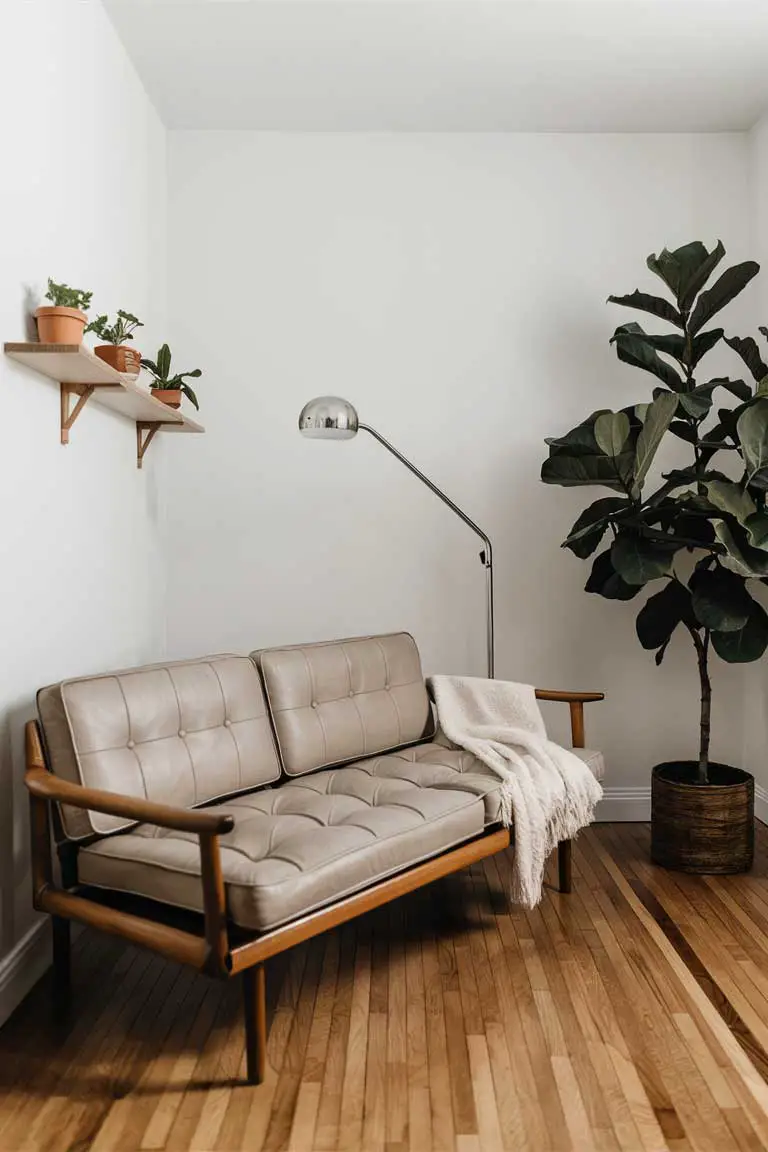
Select plants suited to your lighting conditions. A large fiddle leaf fig can serve as a natural focal point, while smaller succulents or air plants add subtle greenery to shelves or tables.
For those less confident in plant care, low-maintenance options or even a single stem in a minimalist vase can enliven the space.
Effective Lighting Techniques for Small Minimalist Rooms
Lighting is pivotal in shaping the ambiance and perceived size of a room, especially in minimalist designs.
Choosing Sleek, Uncluttered Fixtures
Opt for lighting with clean lines and understated forms that complement the minimalist ethos.

Geometric pendant lights add subtle visual interest without overpowering the room. Wall sconces provide ambient illumination while saving floor and table space.
Consider statement fixtures like a modern chandelier or architecturally inspired floor lamp to serve as both light sources and design highlights.
Layering Light for Comfort and Functionality
Creating a welcoming atmosphere requires multiple lighting layers at varying heights.
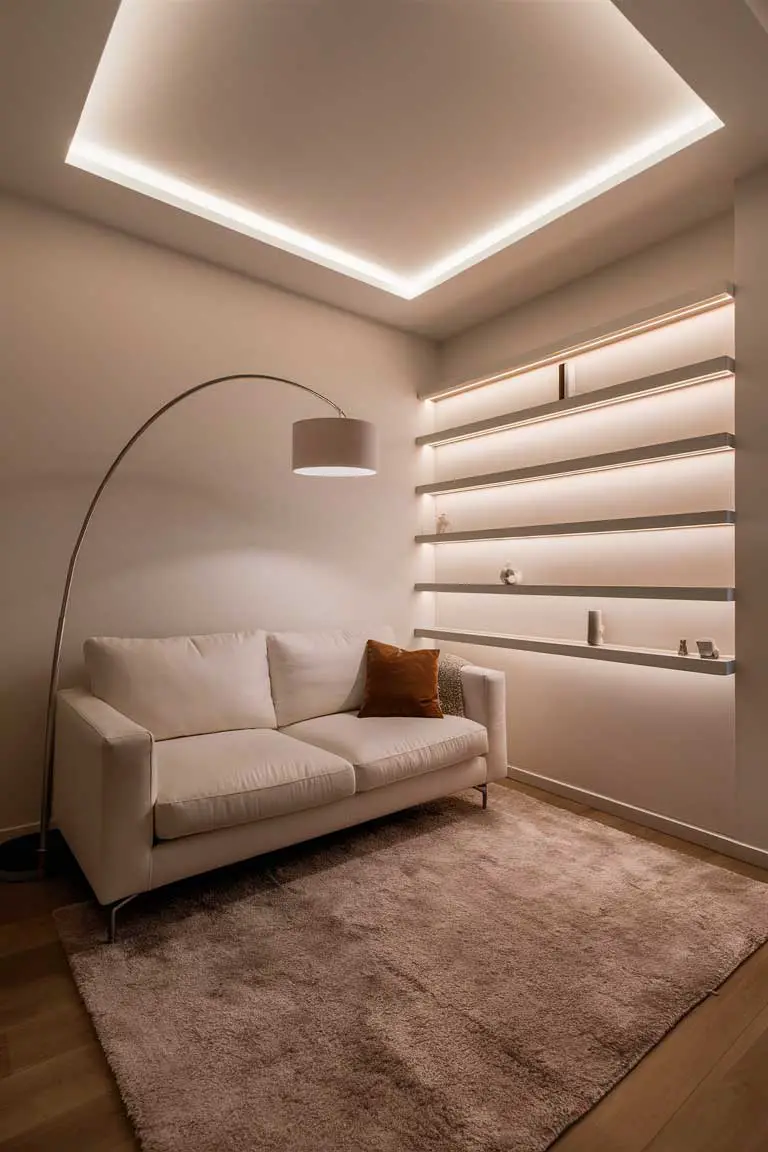
Begin with ambient lighting such as recessed ceiling lights or a central fixture. Add task lighting like a floor lamp near a reading chair or a table lamp for focused activities.
Accent lighting, including picture lights or LED strips under shelves, highlights artwork or architectural details, adding depth and warmth.
This combination allows you to tailor the lighting to different moods and functions throughout the day.
Final Thoughts: Crafting Your Minimalist Small Living Room
Designing a minimalist living room in a confined space transcends mere decluttering; it’s about intentional curation that reflects your lifestyle and priorities. By embracing a neutral color scheme, selecting versatile furniture, integrating smart storage, and thoughtfully arranging lighting and layout, you can create a serene, spacious, and personalized environment.
Minimalism doesn’t require sacrificing comfort or character. Instead, it encourages mindful choices that highlight what truly matters. Use these insights as a foundation to transform your small living room into a minimalist sanctuary that is both functional and aesthetically pleasing.
For those looking to enhance their minimalist living room, consider exploring multi-functional sofas, low-profile coffee tables, and modern pendant lighting to complement your space.
