
Are you considering a kitchen renovation with an open concept but unsure if a closed kitchen remodel might better suit your lifestyle in 2026? Perhaps you’re working with a compact space and want to maximize every inch in a small open concept kitchen living room remodel. This comprehensive guide compares different layouts, materials, storage solutions, and lighting strategies to help you visualize the transformation before committing. I’ll also explain when maintaining separation between cooking and living areas is beneficial to control odors and noise. Alongside, you’ll find practical checklists, essential dimensions, and space planning tips tailored for both cozy and spacious homes. By the end, you’ll be equipped to turn your vision into a well-rounded plan featuring fresh finishes and inspiring photos that resonate with 2026 trends.
Optimizing Small Open Concept Kitchen and Living Room Remodels
When tackling a small open concept kitchen living room remodel, I begin by zoning the space carefully to ensure cooking, dining, and relaxing coexist harmoniously without feeling cramped. In tight layouts, I maintain a clear line of sight to windows, incorporating low-profile cabinetry and glass-front upper cabinets to visually extend the kitchen into the living area. For narrow townhouses or slim lots, a slender peninsula “floats” to allow smooth traffic flow around it. Positioning the sink along a window wall enhances natural light, while consolidating tall storage into a single block minimizes visual clutter. For households that entertain frequently, I recommend maintaining 42 to 48 inches of clearance around key prep zones to facilitate comfortable movement and conversation.
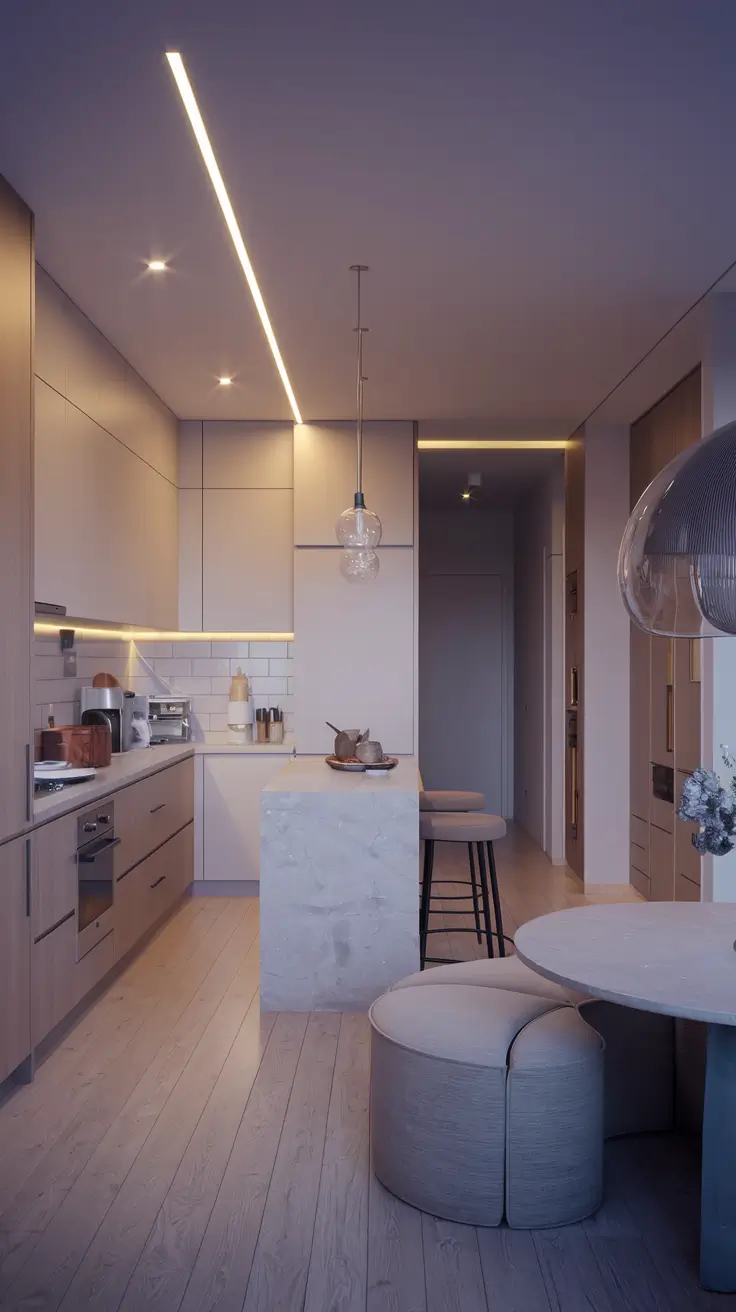
In terms of appliances, I favor a counter-depth refrigerator, a 30-inch range paired with a quiet hood, and stools that tuck fully under a slim-edged countertop. A modular sofa facing the kitchen keeps the cook engaged with guests, while a compact round table bridges the kitchen and lounge areas, perfect for a kitchen dining room remodel open concept. A narrow console behind the sofa serves as a convenient landing spot without blocking views to the island or peninsula. Layered lighting is crucial: dimmable recessed lights combined with two small pendants and a floor lamp create a cohesive ambiance that unifies the space.
Revitalizing 1970s Kitchens with Modern Open Concept Flair
Many homes built in the 1970s feature split-level, raised ranch, bi-level, or split-foyer designs with segmented rooms ripe for thoughtful modernization. Instead of full demolition, I often recommend widening existing cased openings between the kitchen and dining areas to unify ceiling heights and enhance natural light flow. This approach preserves structural integrity and keeps renovation costs manageable. The goal is to create a seamless vista from the entryway to the backyard, making the main floor feel cohesive and open.
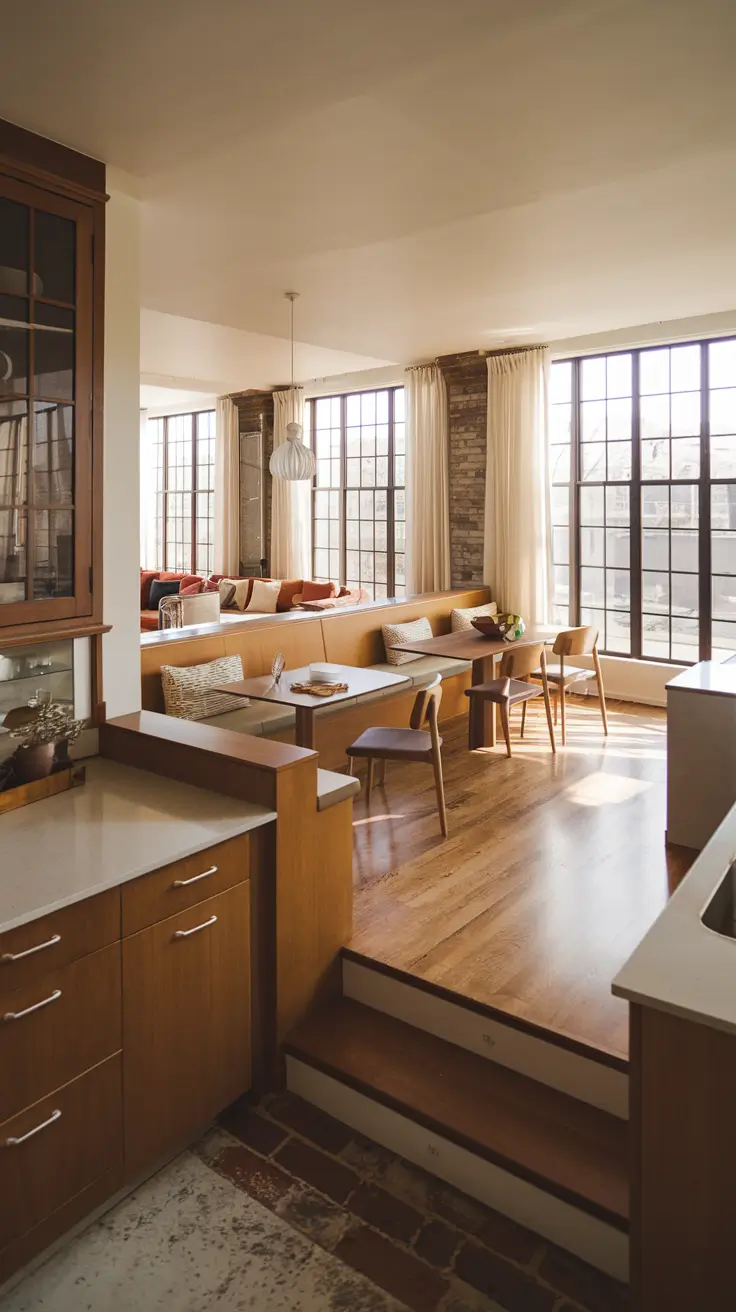
For cabinetry, flat-panel doors with warm wood grains paired with quartz countertops and inset cooktops reduce visual fragmentation. A dining banquette cleverly bridges level changes typical in split-level homes, adding extra storage. Centering a modest island for casual snacks and installing a linear chandelier aligned with sightlines enhances the open feel. Low-profile hoods and ceiling-mounted track lighting keep the space bright without overwhelming low ceilings. This blend of simplicity and warmth honors the home’s original character while updating it for modern living.
When Closed Kitchen Layouts Make Sense
In certain residences, especially condos or heritage homes, a closed kitchen remodel offers distinct advantages. Walls help contain cooking odors, reduce noise transmission, and allow for floor-to-ceiling storage solutions. Incorporating a fixed opening with glass panels can borrow light and maintain visual connection without sacrificing privacy. This setup is ideal for serious cooks who prefer a focused workspace that hides clutter and keeps the adjacent living room serene.
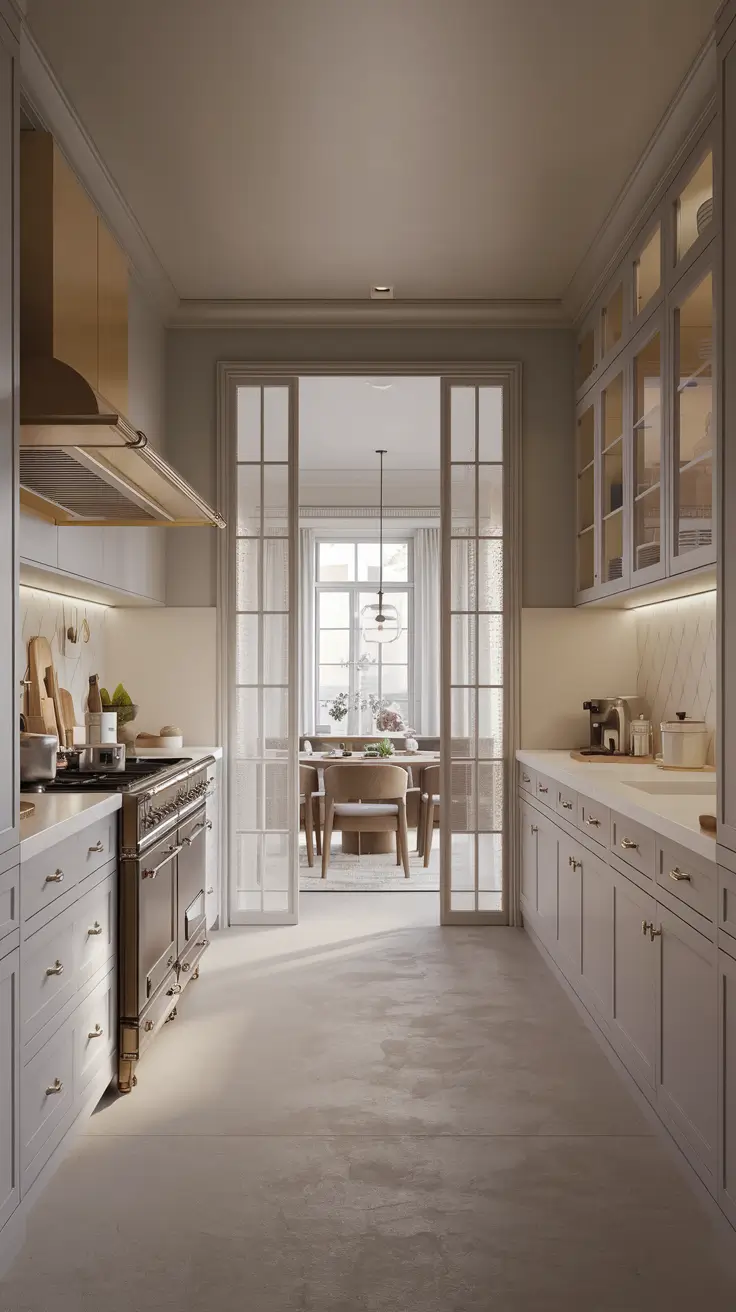
For furniture and fixtures, a U-shaped kitchen with a dedicated prep counter, under-counter freezer drawers, and a powerful 36-inch range with a high-capture hood is highly functional. A small chef’s table along one wall doubles as a plating station and homework desk, making the division productive. Maximizing storage with door-mounted spice racks, pull-out trays, and vertical sheet pan holders keeps everything organized. Layered lighting-under-cabinet strips, ceiling fixtures, and sink sconces-ensures the space is both bright and inviting. Adding a glazed pocket door or sliding pass-through panels can provide flexibility between open and closed concepts.
Innovative Open Concept Kitchen Layouts for 2026
Designing an open concept kitchen in 2026 involves treating the space like a dynamic landscape with clearly defined activity zones. The island becomes the social hub, while perimeter cabinets handle storage and cleanup, creating a hub-and-spoke flow. In townhouse kitchens, aligning the fridge, sink, and range along one wall frees the central lane for gatherings. Larger homes benefit from a second prep sink on the island to support two cooks and buffet-style serving during holidays, keeping the kitchen lively and connected.
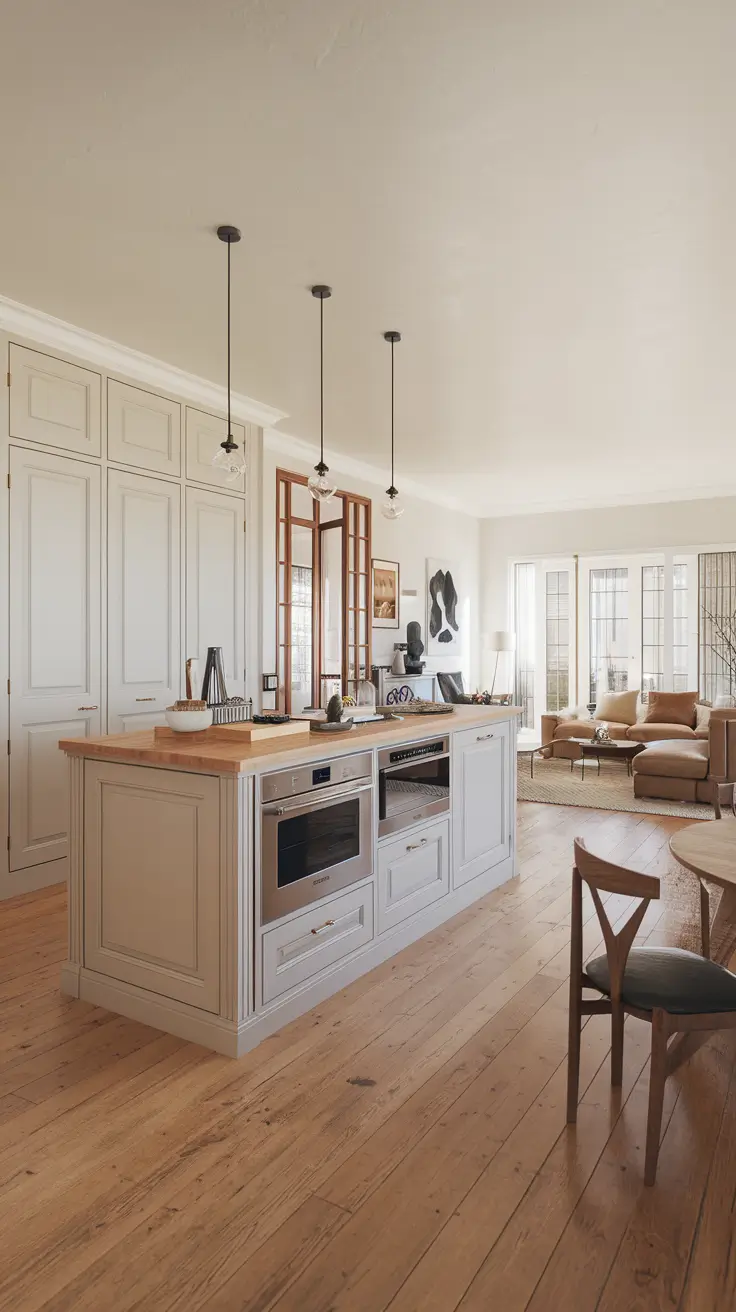
For finishes, waterfall quartz countertops, integrated pulls, and paneled appliances create a sleek look. Lighting combines three small pendants with dimmers and a flush-mount fixture over the dining table to set the mood from morning to night. Seating mixes stools at the island with a generous dining table, ideal for a kitchen dining room remodel open concept. Wide-plank oak flooring extending into the lounge visually connects the spaces. Concealed storage walls keep small appliances out of sight, maintaining a calm and open atmosphere.
Creative Alternatives to Fully Open Kitchens
Not every kitchen benefits from a fully open layout. Interior windows, reeded glass panels, and partial portals can share light between rooms while preserving privacy and controlling odors. Cased openings maintain circulation without sacrificing valuable wall space for storage. This approach is especially effective in older homes, preserving original proportions and millwork while enhancing functionality. It offers a thoughtful alternative to complete demolition and complements a quiet living room.
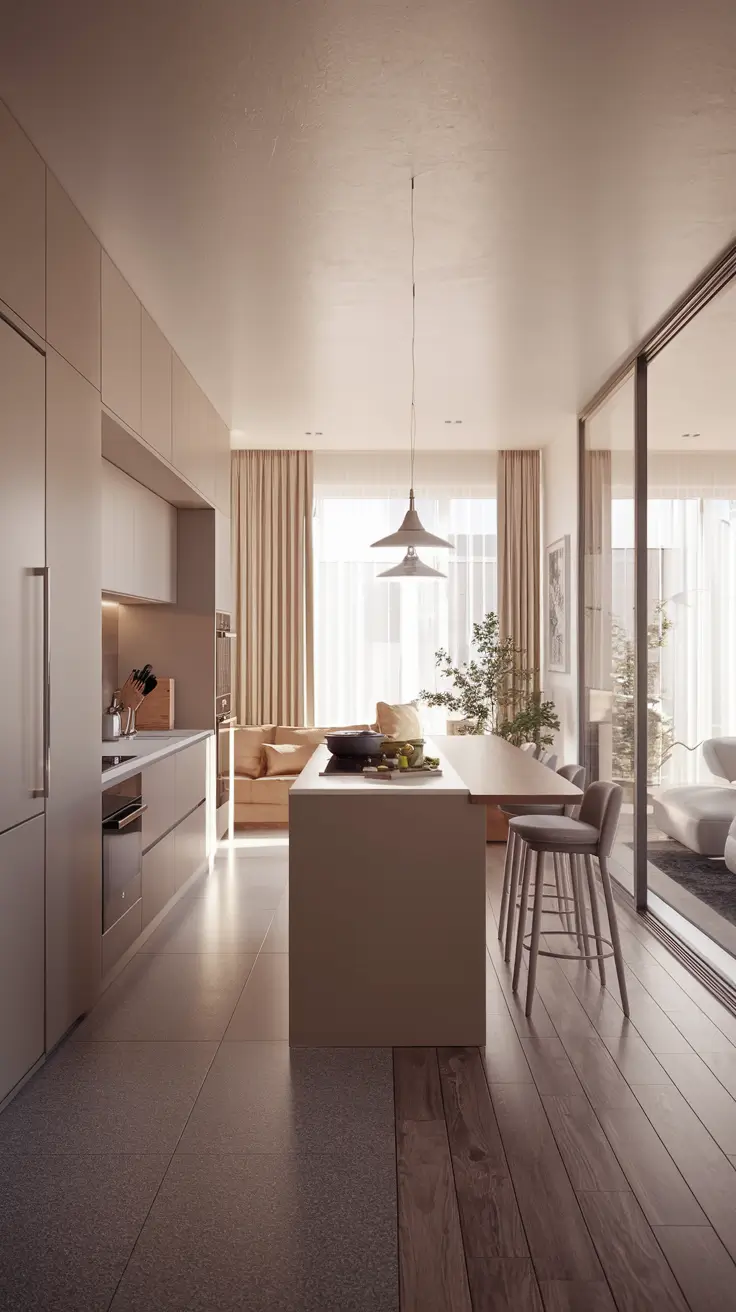
Fixtures often include a galley layout with symmetrical runs, a counter-depth fridge, and a narrow, mobile island that can be stowed when needed. Cabinets extend to the ceiling with toe-kick step stools for maximum storage. A breakfast nook or small table nearby keeps dining close but separate from the kitchen workspace. Rail systems, knife strips, and pegboards organize tools efficiently, keeping counters clear and the space functional yet inviting.
Townhouse Kitchen Remodels: Balancing Style and Function
In townhouse kitchen remodel open concept designs, I prioritize a single clear circulation lane and consistent materials to unify the space. Tall storage is consolidated on one wall to reduce clutter and preserve natural light. A small peninsula or island anchors the social area without impeding movement. Furniture choices favor narrow, multifunctional pieces, such as backless stools that tuck fully under counters, and sofas oriented toward the kitchen to encourage conversation flow. Windows remain focal points, enhancing the sense of openness.
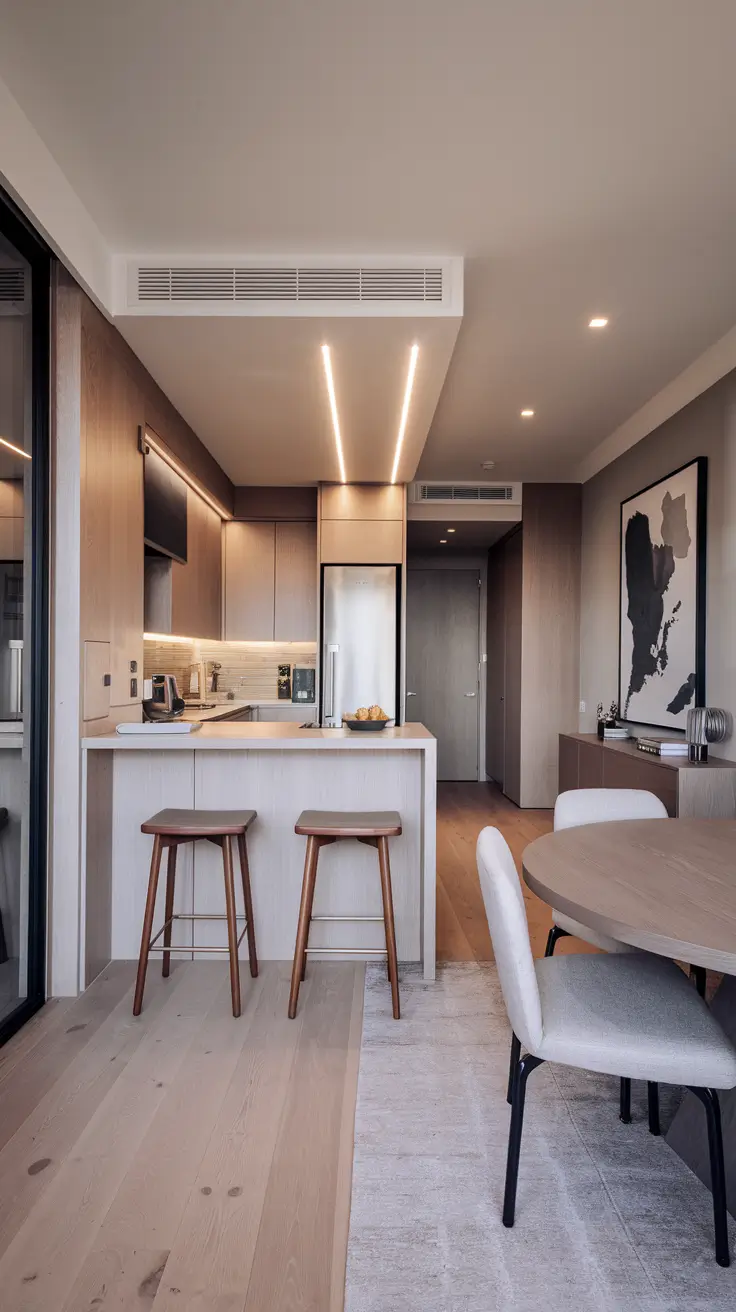
Addressing townhouse acoustics is essential; I incorporate soft-close hardware and strategic textiles like acoustic curtains and rugs. A beverage station away from the main prep area allows guests to serve themselves without crowding the cook. Pocket doors to adjacent rooms help control noise, offering a flexible balance between open and closed concepts. Consistent wood tones throughout the space ensure visual harmony, creating a stylish yet practical environment.
Island-Centered Open Kitchen Designs for Social Living
When designing an open kitchen with an island centerpiece, I treat the island as the heart of the room-serving as a prep area, serving station, and gathering spot. I carefully test island proportions to ensure it feels spacious without obstructing flow, aiming for layouts that comfortably accommodate two cooks. Landing zones around appliances are clearly defined to maintain order and energy.
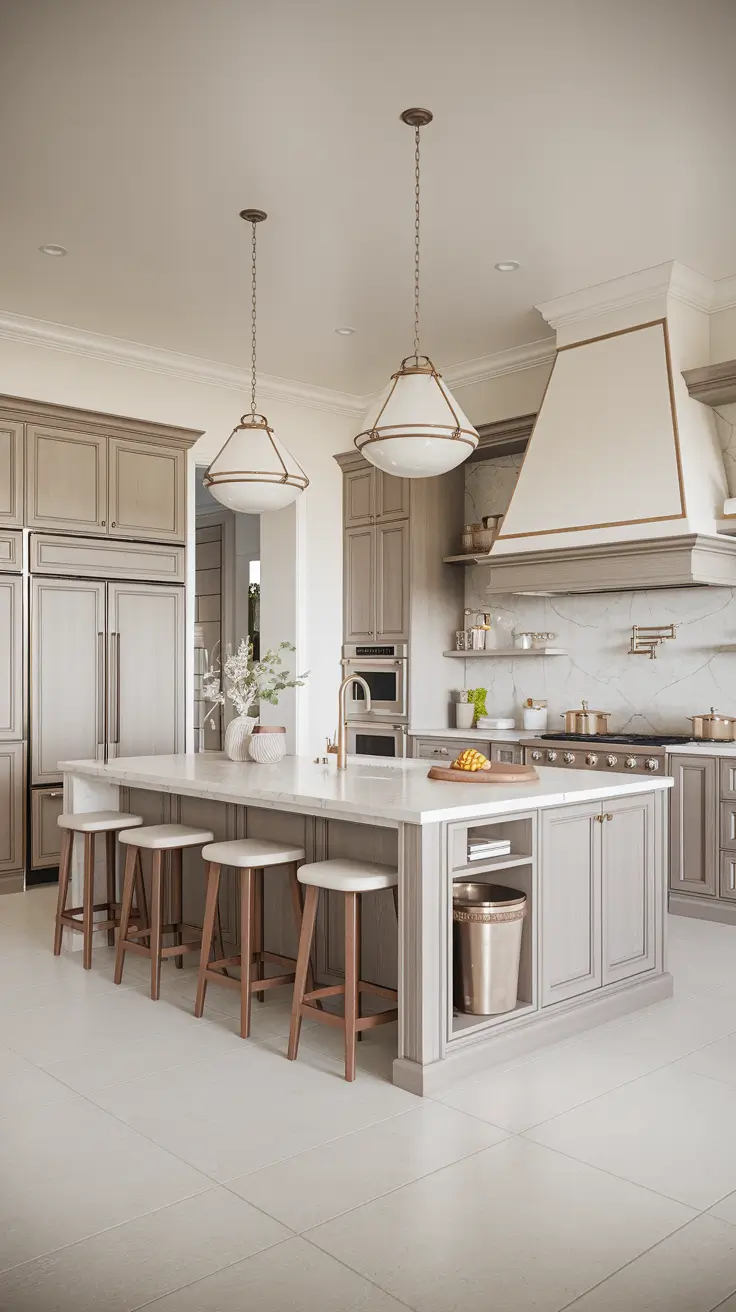
My preferred island features a durable quartz countertop, built-in trash and recycling bins, and a prep sink where plumbing allows. Seating includes a mix of backless and low-back stools to preserve sightlines, with pendant lighting spaced to avoid clutter and provide even illumination. Paneled appliances blend seamlessly into the island, while the range remains on the perimeter for safety. Under-island drawers store utensils and linens within easy reach.
Smart Storage Strategies for Open Kitchens
Effective storage is key to maintaining a serene open kitchen. I design appliance garages, hidden charging drawers, and tall pantry walls to keep countertops clear and the living area visually calm. In narrow layouts like townhouses, full-height cabinetry along one wall preserves window views. Deep drawers in the island accommodate daily dishes and cookware, while trash, recycling, and compost stations are positioned near prep zones to minimize steps.
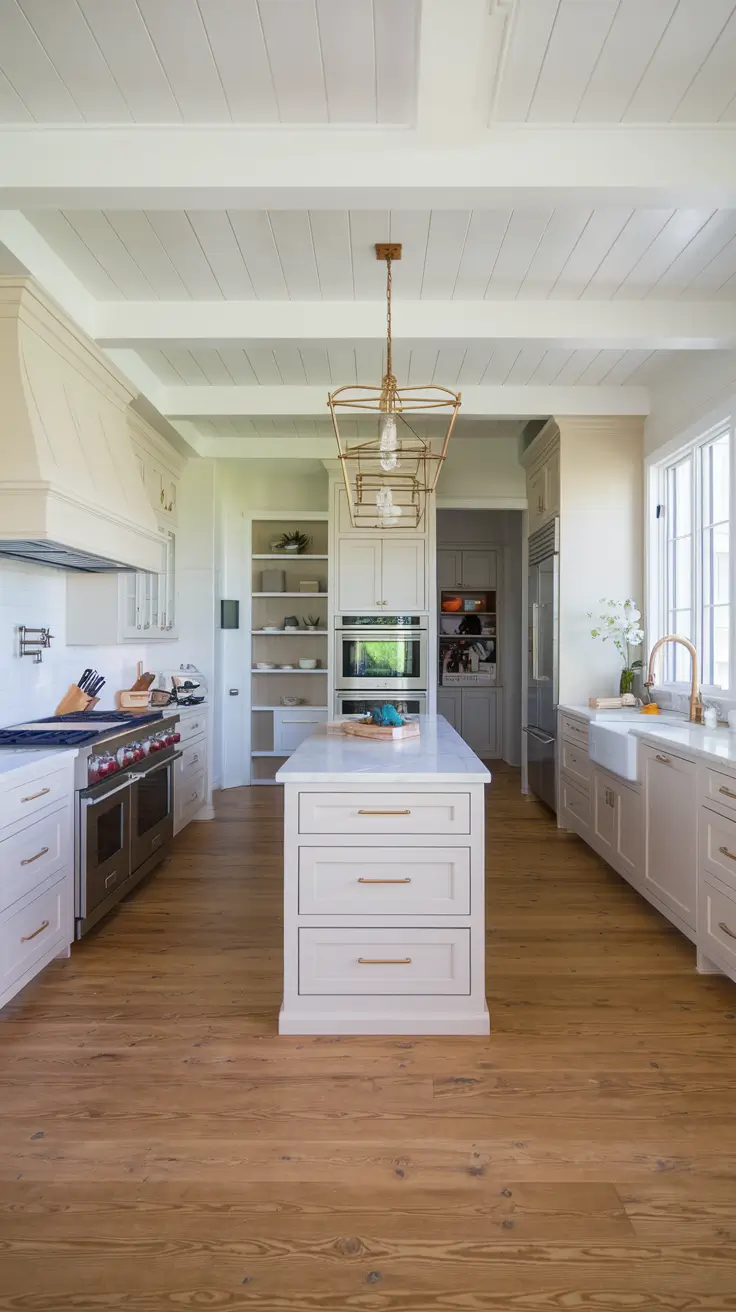
Additional features include toe-kick drawers for trays, vertical dividers for cutting boards, and functional blind corner units. A shallow hutch near the dining area stores linens and serveware, supporting a kitchen dining room remodel open concept. Rail systems and pegboards keep tools accessible without cluttering counters. These thoughtful storage solutions ensure the island remains a social hub rather than a catch-all.
Final Recommendations for a Successful 2026 Kitchen Remodel
Starting with a clear understanding of your lifestyle and the home’s architectural shell-be it a raised ranch, split level, bi-level, or split foyer-is essential. For open concept designs, I prioritize traffic flow and ensure the living room remains peaceful during busy times. Compact homes benefit from disciplined layouts inspired by small ranch kitchen remodel open concept principles, while larger spaces require human-scaled proportions. Even when removing walls, I often recommend hybrid openings to preserve storage and maintain balance.
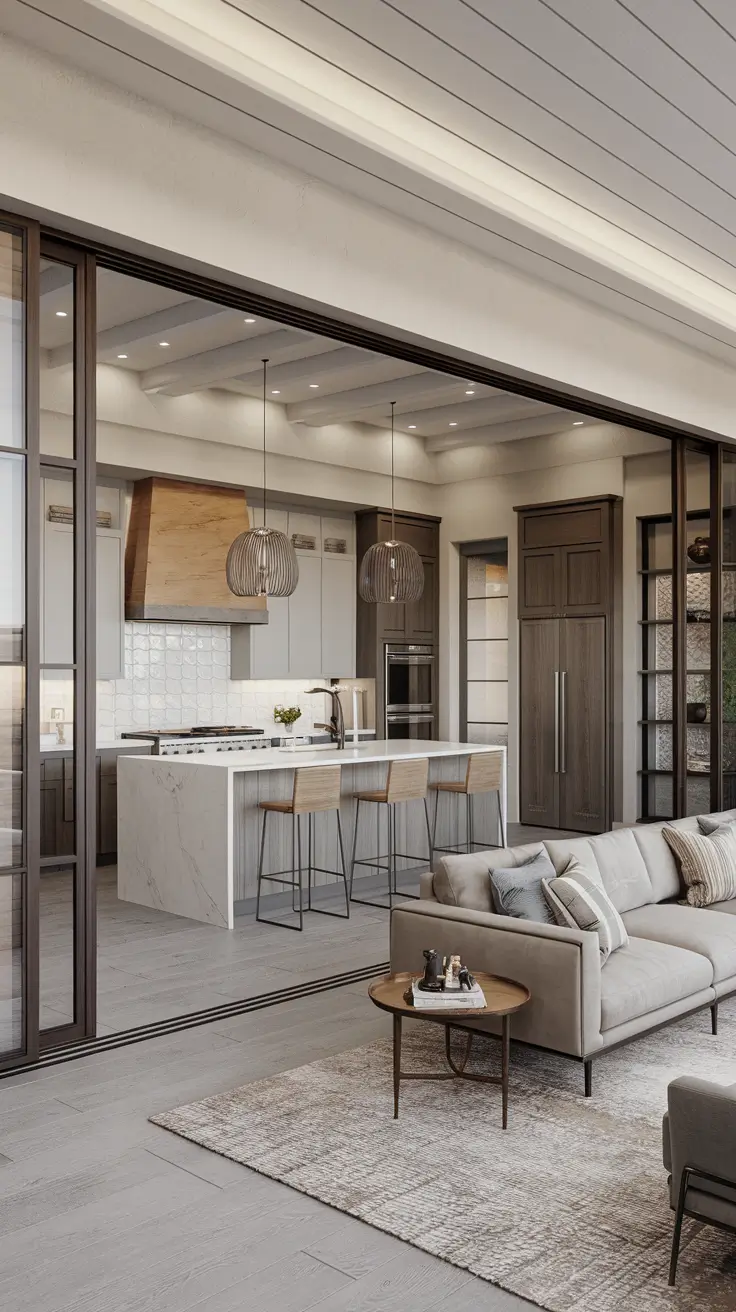
My baseline design includes a right-sized island, efficient ventilation, and layered lighting on dimmers. Consistency in materials helps the kitchen feel like a natural extension of the living space rather than a separate entity. For older homes, I reinterpret 90s and 1970s open concept kitchen remodel ideas with quieter, matte finishes. When quiet is needed, tasteful pocket doors offer flexible moments of separation. These strategies preserve both function and style.
Practical details such as maintaining 42 to 48-inch aisles, clear appliance landings, washable fabrics, soft-close hardware, and acoustic treatments make daily life effortless. In split ranch or ranch plans, long sightlines and visually light railings enhance openness without compromising safety. Planning ahead with permits, engineering, and temporary kitchen setups ensures a smooth renovation process. Testing samples in various lighting conditions and photographing mockups helps avoid surprises. Finally, designing with adaptability in mind ensures your kitchen remodel remains beautiful and functional for years to come.
