
Innovative Closet Pantry Designs to Optimize Space and Enhance Style
Transforming a closet into a functional pantry can be a game-changer for kitchens of all sizes. Whether you’re working with a compact nook, a narrow hallway, or a walk-in space, clever design strategies can maximize storage while maintaining aesthetic appeal. From DIY projects to integrating appliances like microwaves seamlessly, this guide explores versatile closet pantry ideas that blend practicality with elegance.
Seamless Integration: Matching Pantry Doors and Hardware
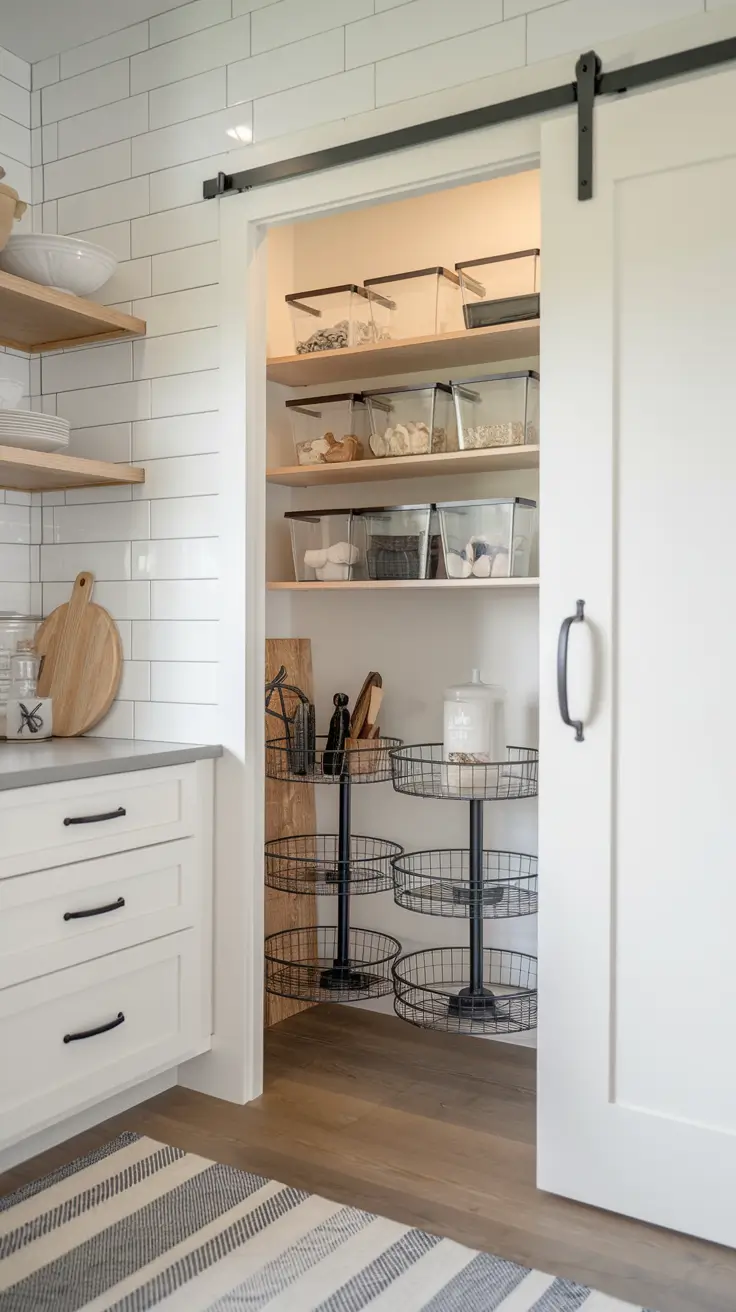
To ensure your pantry feels like a natural extension of your kitchen, coordinate the door style, hardware, and trim with adjacent cabinetry. Sliding or bifold doors are excellent choices for tight spaces, as they eliminate the need for swing clearance, keeping walkways open and safe. For a cozy farmhouse vibe, consider warm wood shelving paired with matte black pulls and soft white walls. Alternatively, a California-inspired look favors light oak shelves spaced widely to create an airy, open feel.
Utilize corners and under-stair niches by combining deep shelves for bulky items with shallower ones for everyday essentials. Even in small or narrow closets, maintaining a calm color palette, uniform containers, and top-mounted lighting enhances visibility and organization.
Smart Shelving Layouts for Efficient Storage
Effective pantry shelving combines shallow upper shelves for spices and dishes, deeper lower shelves for cereals and containers, and pull-out drawers for canned goods. Corner turntables provide easy access to sauces, while back-of-door racks maximize vertical space for wraps and snacks. Incorporate trays with rigid bases for oils, bins for loose packets, and labeled boxes for breakfast items to streamline morning routines.
When openings are wide, symmetrical shelving with a central stile adds stability and visual balance. Opt for durable, moisture-resistant paint on shelf edges to withstand daily use.
Organizational Techniques for Small Pantry Closets
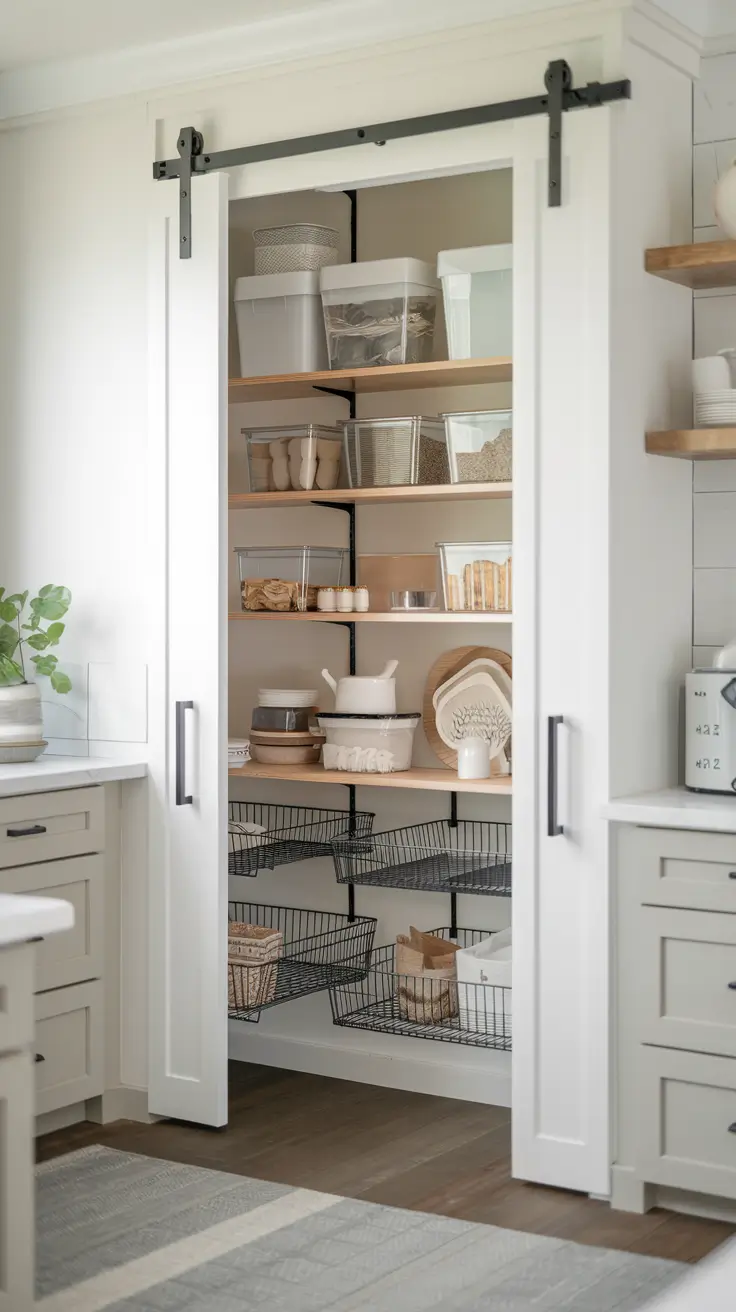
Consistency is key in small pantry organization. Use a limited number of containers in matching colors to create a sense of spaciousness. Group items by function-such as baking, pasta, snacks, and beverages-to reduce search time and improve cooking flow. Open baskets suit farmhouse styles, while clear bins offer a modern look and facilitate quick restocking.
Enhance functionality with pull-out soft-close hardware, narrow broom shelves, and label rails. For wider doors, add shallow wine racks or tray dividers to utilize vertical space. A simple cleat system can secure shelves on uneven walls, and an open display shelf with attractive jars adds a decorative touch without sacrificing utility.
Designing Pantry Layouts for Maximum Usability
Plan shelving heights based on usage: high shelves for grab-and-go items, waist-level shelves for heavy goods, and lower shelves for appliances. Single-wall layouts suit hall or coat closets, while galley designs with two rows and a central aisle work well in recessed niches. L-shaped or curved shelves eliminate dead corners, and U-shaped walk-ins optimize floor space.
Stagger shelf depths in narrow closets to maintain comfortable passageways. Incorporate landing shelves near doorways for easy grocery unloading. Always consider door swings, electrical outlets, and baseboard heaters before finalizing shelf placement. Proper lighting, such as LED puck lights with door jamb sensors, prevents shadows and improves label readability.
DIY Closet Pantry Projects: Simple Upgrades for Big Impact
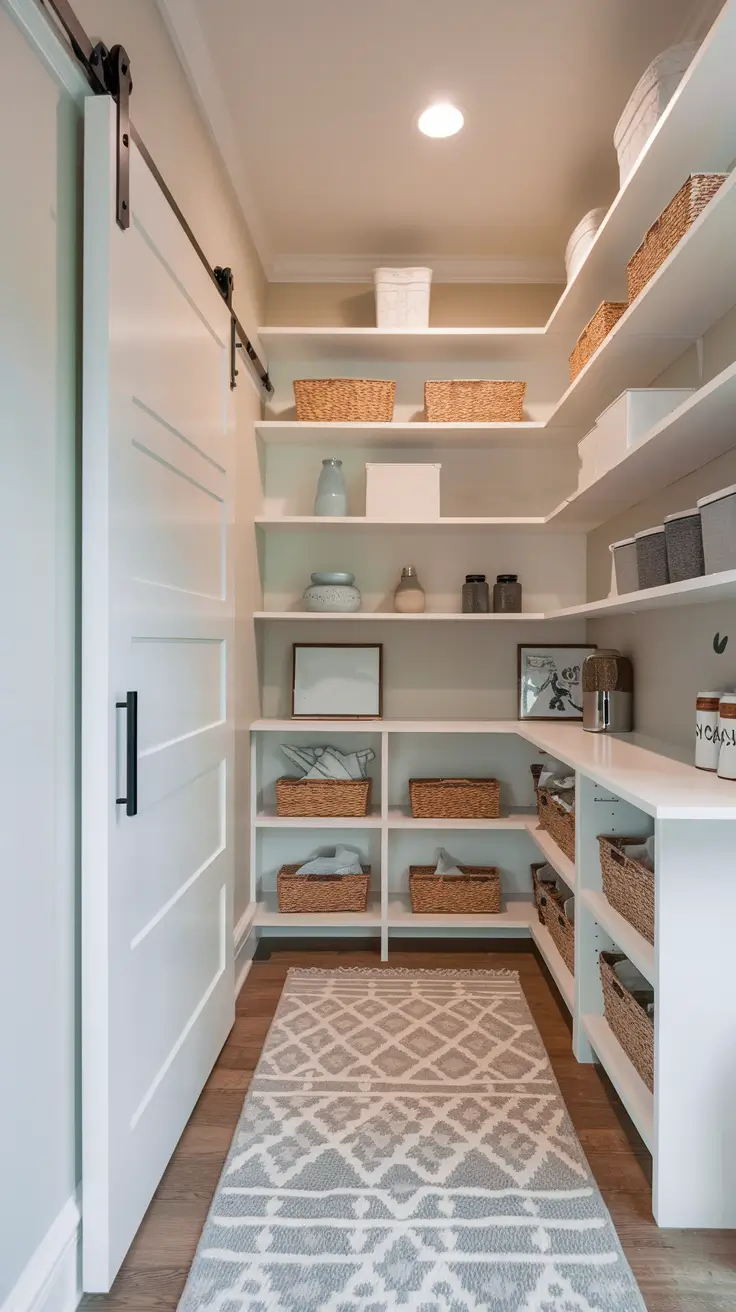
For a weekend DIY project, start by patching and painting the interior with a light, satin finish that resists scuffs. Install adjustable cleat-and-shelf systems for flexibility. Replace swing doors with sliding or bifold options to reclaim hallway space. Add peel-and-stick LED strip lighting with door sensors for hands-free illumination.
Use affordable materials like plywood or solid pine for shelves, supported by metal L-brackets and center supports for deeper spans. Incorporate pegboards for small cookware and back-of-door racks for wraps and spices. Felt bumpers on doors reduce noise, and matching bins and hooks complete the polished look.
Layered Storage Solutions for Every Pantry
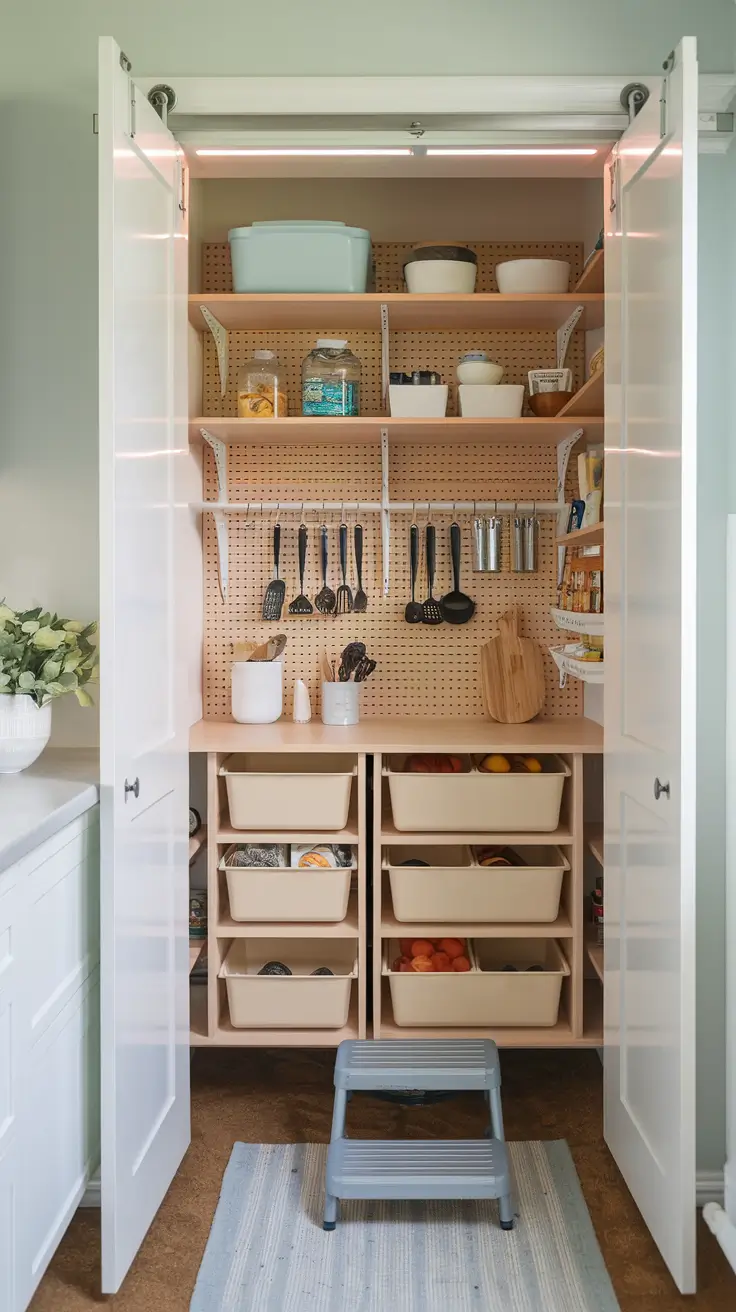
Organize storage in layers for quick visual access. Use airtight jars for baking staples, wire baskets for produce like onions and potatoes, and turntables for corner items. Risers keep canned goods visible, while deep drawers hide overflow snacks. Tray dividers hold cutting boards and sheet pans upright, and a slim rolling cart tucked under a shelf stores beverages.
Labeling is essential-group items by task and frequency of use. Keep snack areas at child height, baking supplies at eye level, and beverage stations near entry points for convenience. Incorporate ventilated bins for produce and closed bins for backstock to maintain freshness and order.
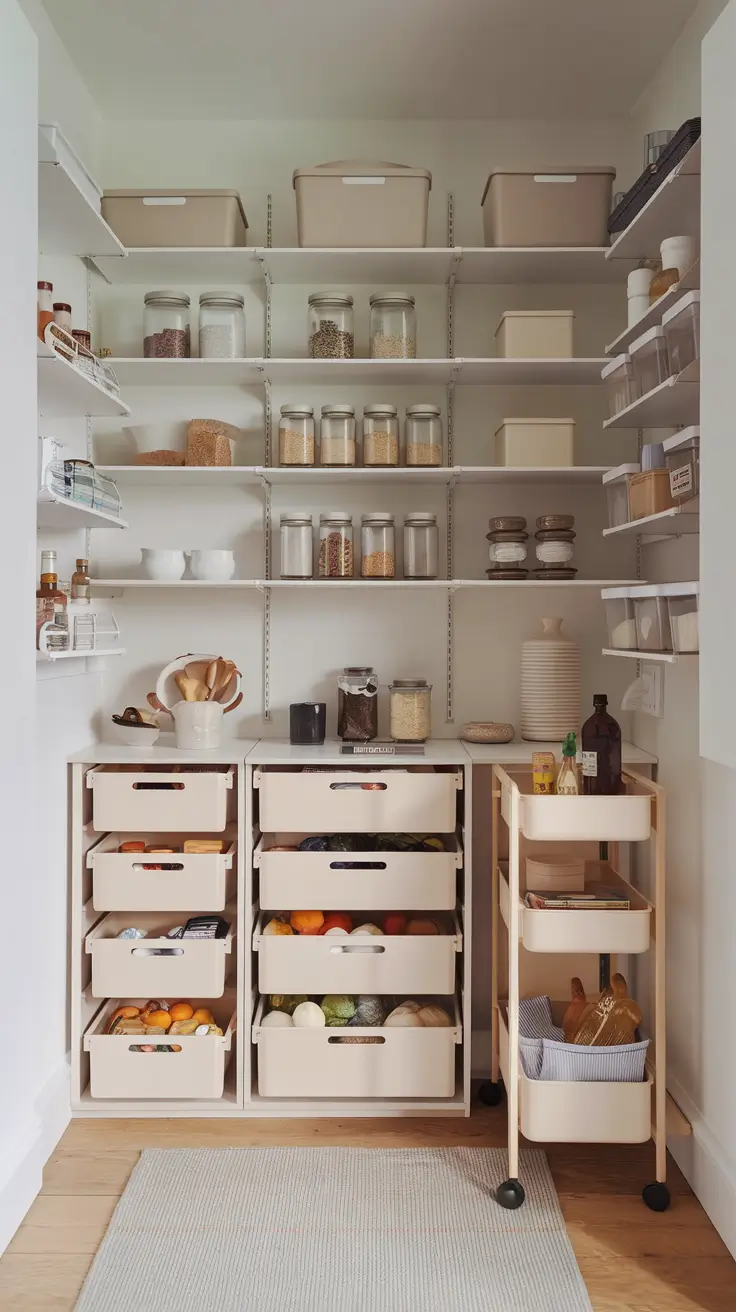
Incorporating a Microwave into Your Closet Pantry
Integrate a microwave into your pantry to free up counter space and streamline meal prep. Position the unit at a comfortable height with a landing shelf below for hot dishes. Ensure proper power supply and ventilation according to manufacturer guidelines. In smaller pantries, a pull-out shelf can provide temporary workspace without crowding the area.
Sliding or bifold doors help maintain airflow and prevent obstruction. Use heat-resistant finishes around the microwave opening and install a cord grommet to keep cables tidy. Add LED task lighting above the microwave and a durable surface like a stone slab on the landing shelf to protect wood from heat.
Explore microwaves on Amazon to find models that fit your pantry design.
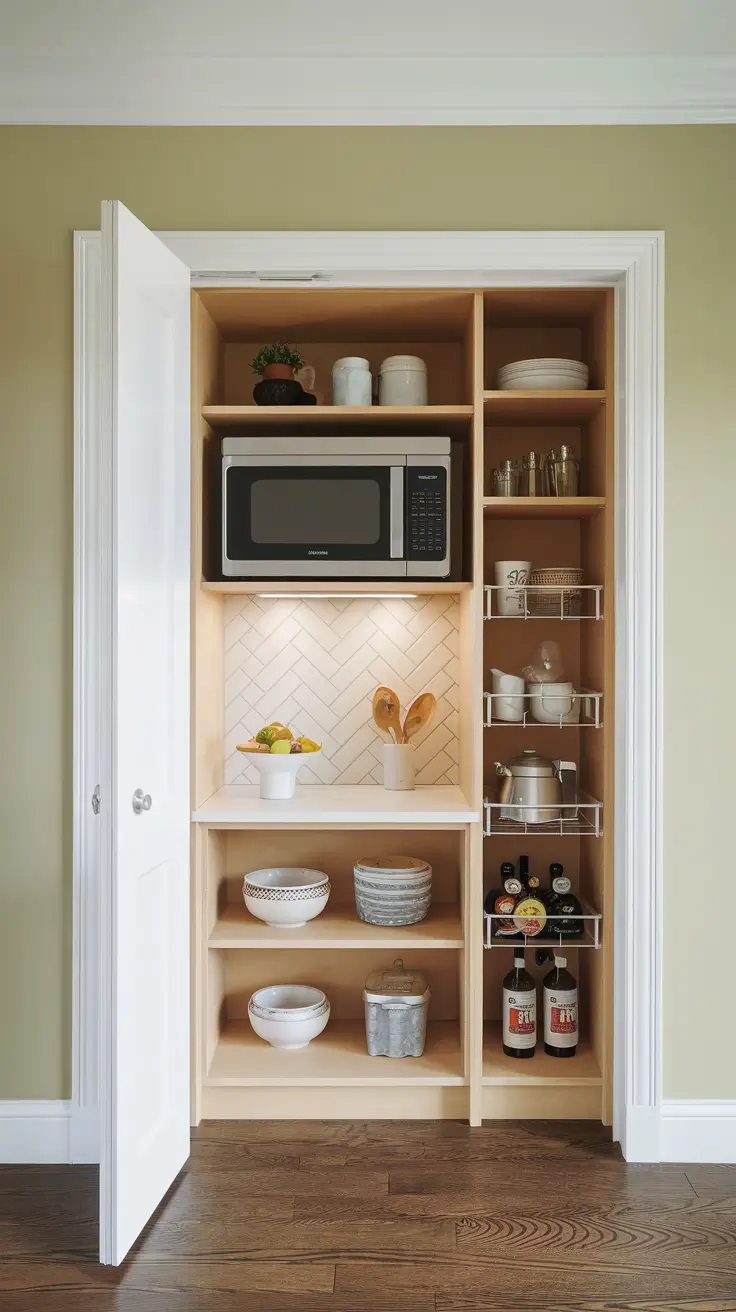
Elegant and Practical Pantry Designs
Balance visibility and storage density by mixing open shelves for everyday items with closed drawers for snacks and less attractive goods. Use sliding doors to maximize space and create an open feel. Choose finishes and hardware that complement your kitchen style-shaker fronts and warm wood for farmhouse, flat panels and matte hardware for modern looks.
Incorporate LED strip lighting with motion sensors to brighten the pantry upon opening. Keep wall colors neutral and handles low-profile to blend the pantry seamlessly into the room. Use vertical tray dividers for cutting boards and narrow broom docks to hide cleaning tools without sacrificing accessibility.
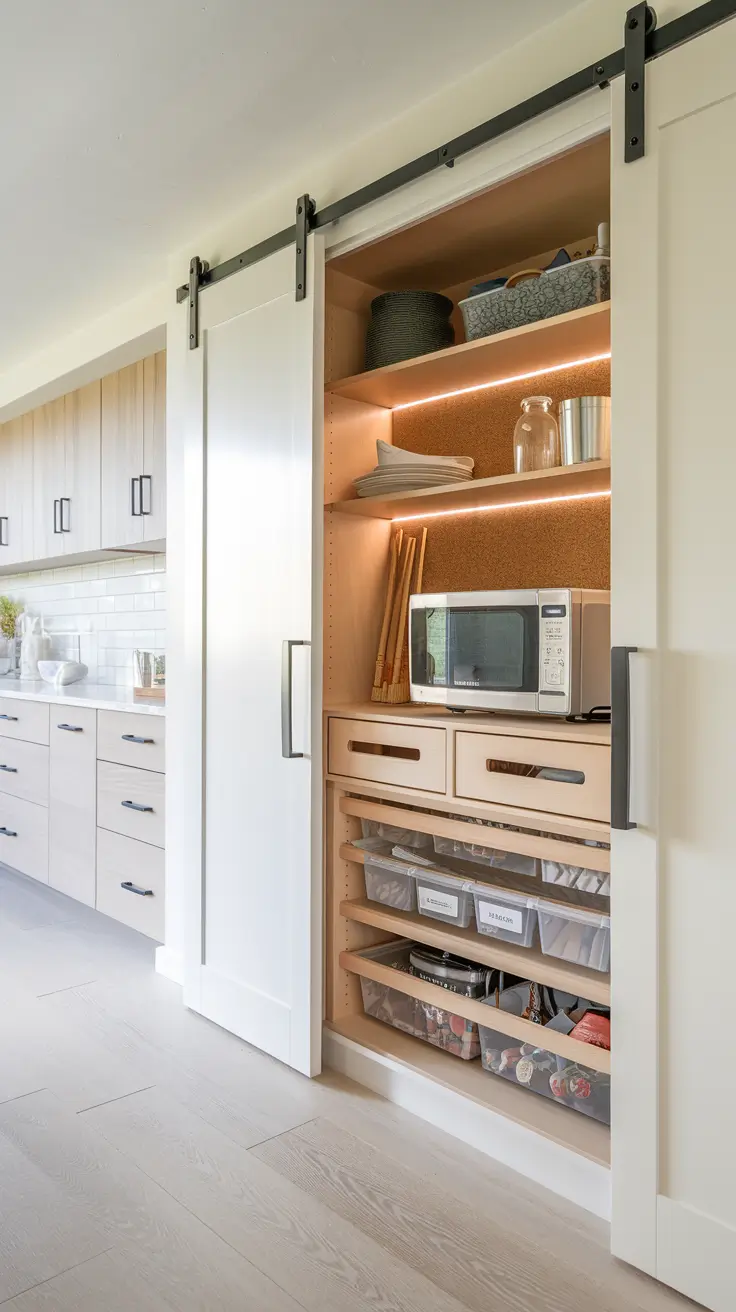
Optimized Pantry Shelving for Organized Living
Implement a vertical grid system with adjustable shelves to adapt to changing storage needs. Avoid deep shelves that hide items by using two-tier shelving-shallow upper decks and pull-out lower trays. Divide long pantry walls into zones for breakfast, baking, and dinner supplies to streamline access.
Choose hardwood plywood with durable finishes for shelves. Use asymmetric shelves in corners to eliminate dead space. Add risers to keep shorter cans visible and install slim hardwood nosings for a custom look. Tailor back panels with beadboard for farmhouse charm or flat white panels for a modern aesthetic.
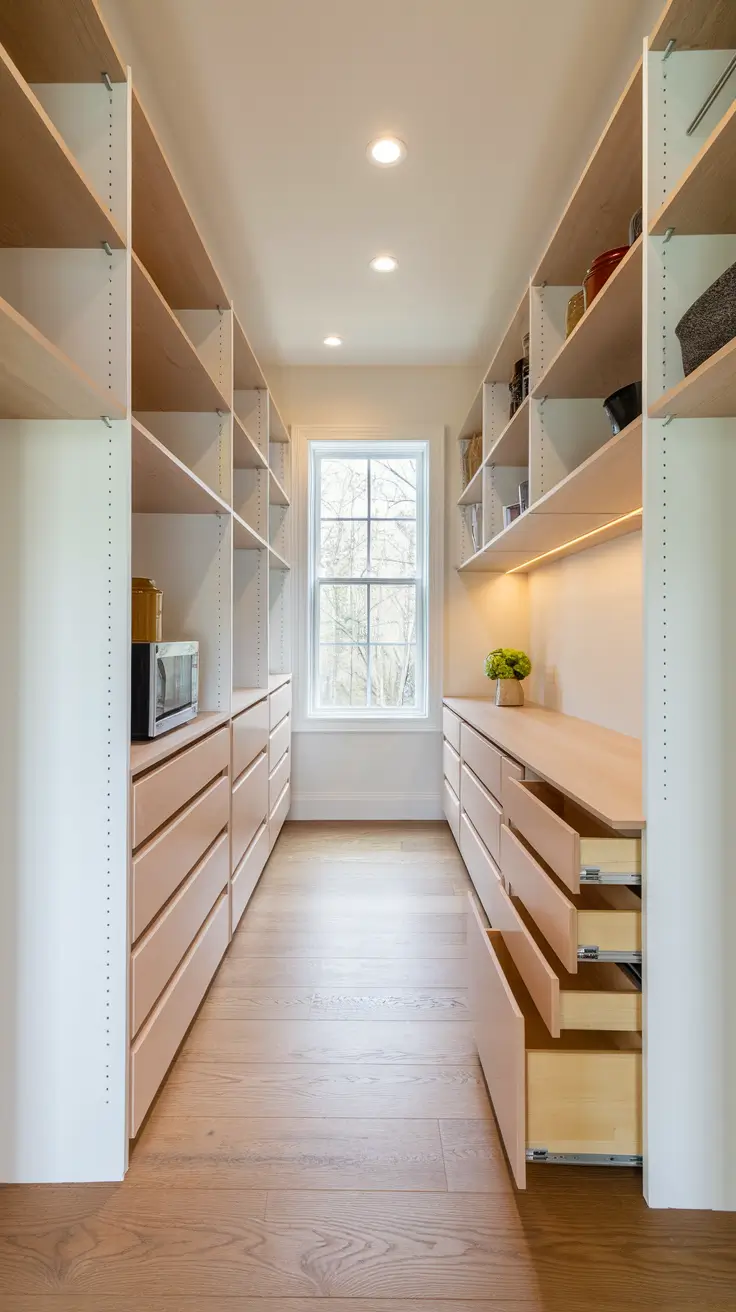
Maximizing Small Kitchen Pantries with DIY Solutions
Convert a simple closet into a pantry by removing rods, painting with durable finishes, and installing adjustable shelving tracks. Replace traditional doors with sliding or bifold options to save space. Use clear bins and categorize items to maintain order. Incorporate a microwave shelf with heat shielding and cord management.
Utilize door space for wraps and foils, and add hooks for aprons and step stools. This approach offers renters and budget-conscious homeowners an affordable, functional pantry upgrade without custom millwork.
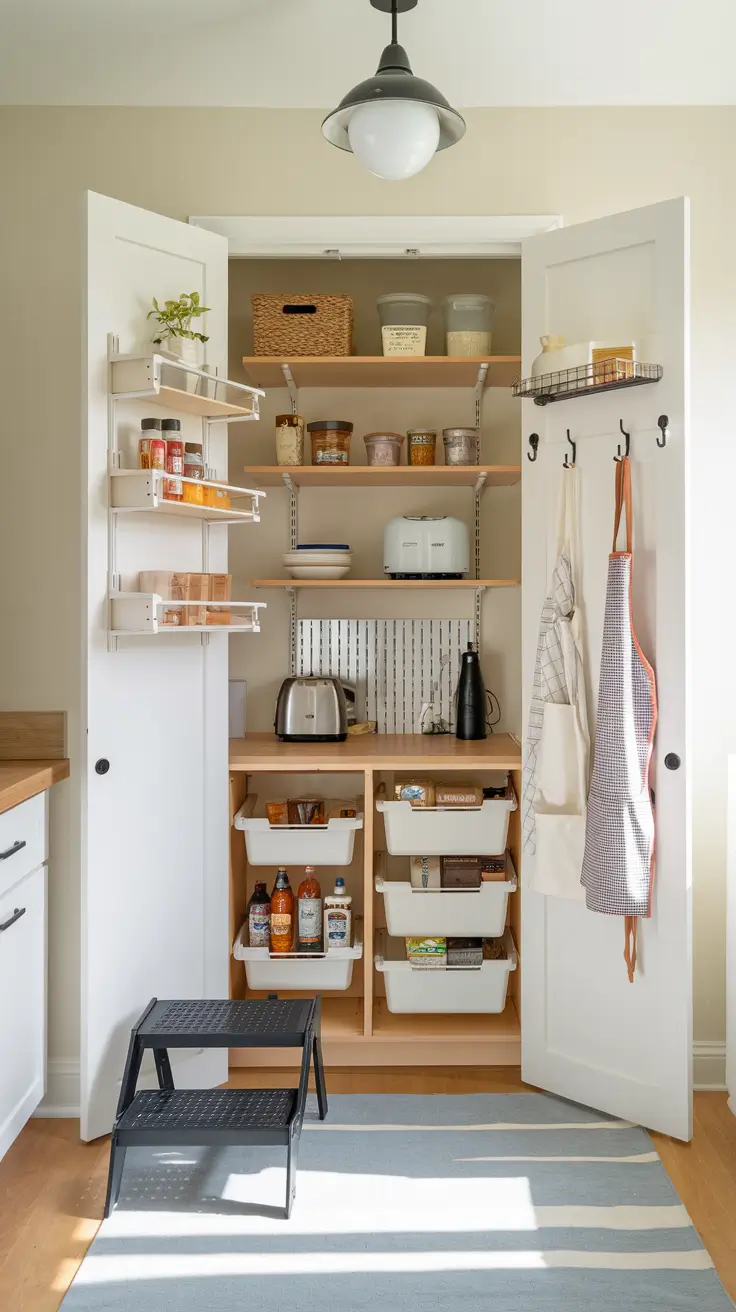
Space-Saving Tips for Tiny Pantry Closets
In very small pantries, prioritize visibility and accessibility by using shallow shelves (9-12 inches deep) and organizing items by frequency of use. Use stair-step risers for small cans and turntables for corner access. Vertical dividers keep baking sheets and cutting boards upright. Incorporate door racks and peg rails for small items and tea storage.
Maintain a minimalist container palette with clear labeling to reduce visual clutter. Add motion-sensor lighting and a small step stool for convenience. Replace deep shelves with pull-out trays to avoid hidden storage zones.
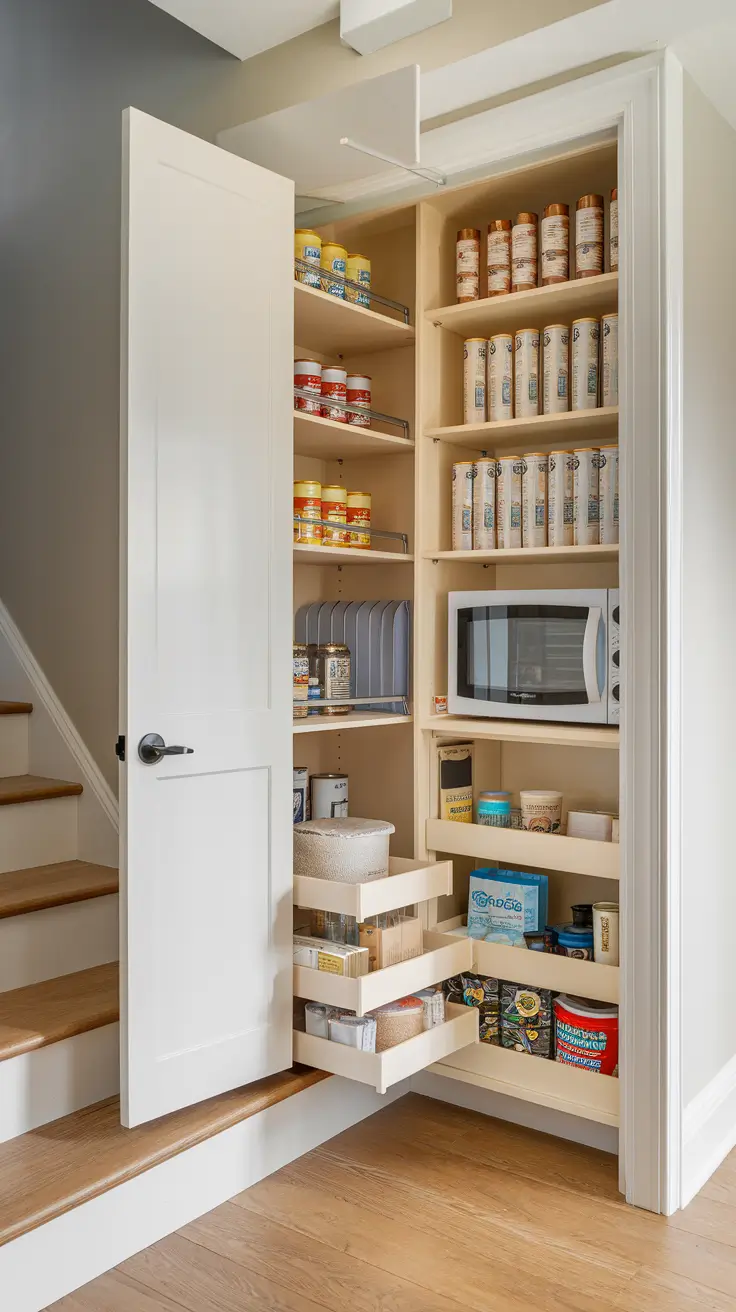
Hallway Closet Pantries: Hidden Yet Functional
Transform hall closets into discreet pantries by installing adjustable shelves (12-16 inches deep) and replacing hanging rods. Use bifold or sliding doors with acoustic seals for quiet operation near bedrooms. Divide storage zones for snacks, breakfast items, and bulk goods. Bright, scrubbable paint and LED strip lighting brighten dark corridors.
Include shallow drawers for utility items and create microwave or coffee stations within the closet. Use low-profile door racks and magnetic strips for coupons and inventory notes. A washable runner protects floors during restocking.
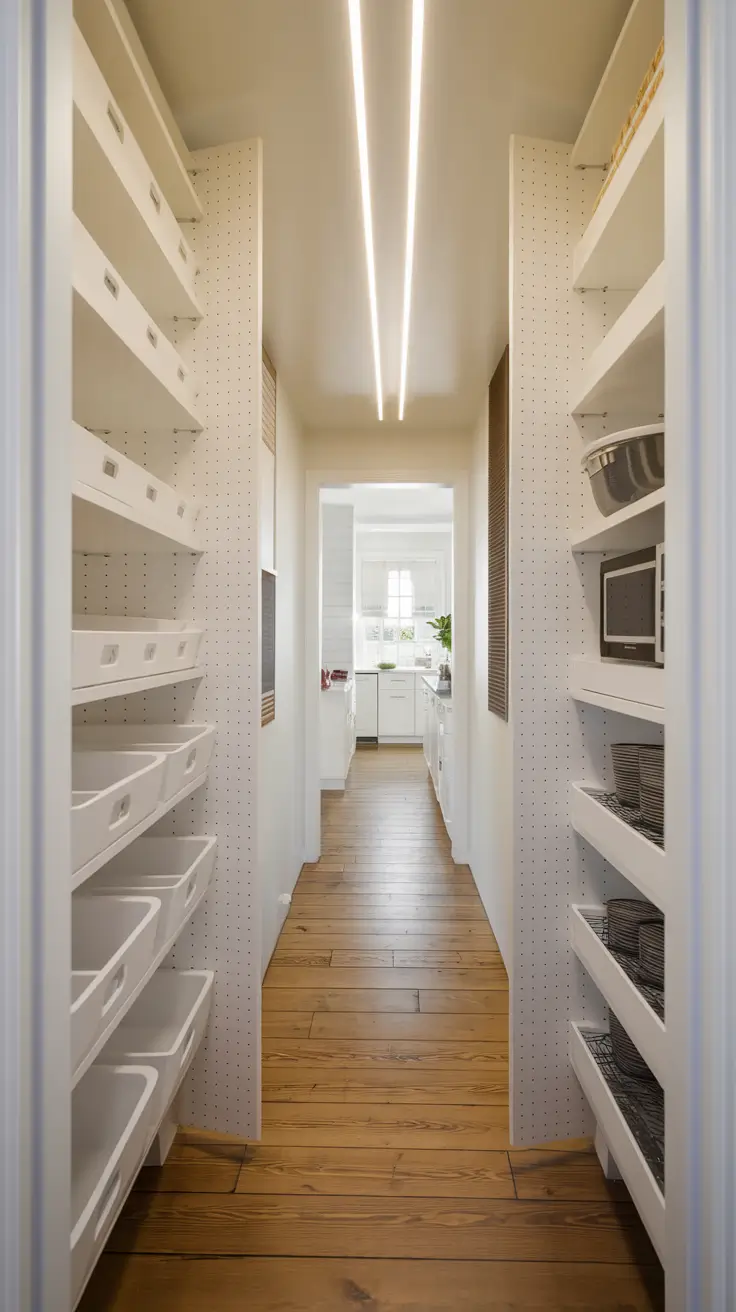
Corner Pantry Closets: Maximizing Every Inch
Utilize corner spaces with L-shaped shelving featuring staggered depths-shallow shelves for spices and snacks, deeper shelves for bulk items. Use sliding or bifold doors to keep aisles clear. Install ceiling lighting and LED strips under shelves to eliminate shadows.
Incorporate full-extension pull-out trays on deeper shelves and fixed shelves on shallow returns. Add wire door racks for wraps and foils, and a tall floor crate for root vegetables. Label shelves clearly and provide kid-height snack zones for family-friendly access.
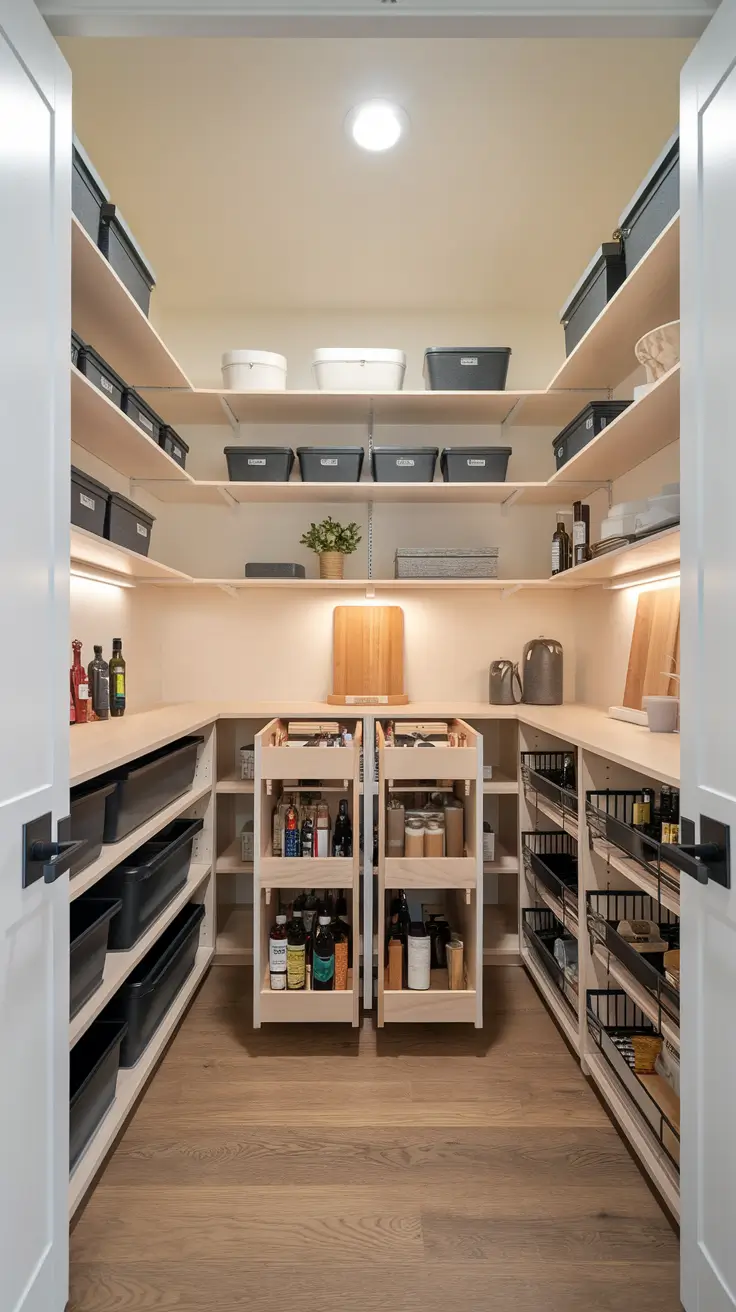
Dish Storage Closets: Streamlined and Accessible
Design dish pantries by mapping the flow from dishwasher to dining area. Use sturdy shelves 14-16 inches deep for plates and bowls, with open shelving for quick access and closed cabinets for seasonal items. Position microwaves at chest height near breakfast ware for convenience.
Combine pegboard drawers, vertical dividers for platters, and shallow drawers for napkins and flatware. Soft-close slides protect delicate dishes. Use bifold doors for wide openings to maximize visibility.
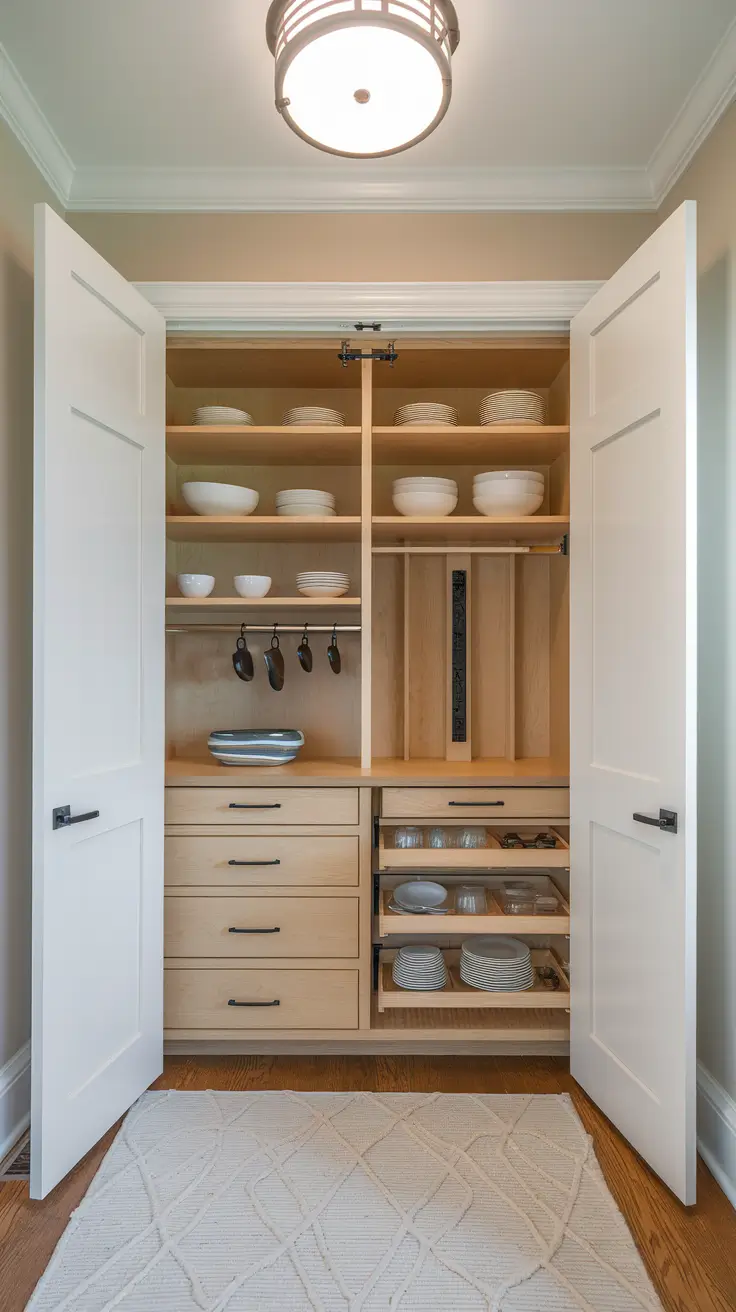
Walk-In Pantry Designs for Spacious Living
Create a U-shaped walk-in pantry with a 36-inch aisle for ample movement. Adjust shelf depths by item type: 12 inches for cans and jars, 16 inches for dinnerware, and 20-24 inches for bulk goods and appliances. Include a dedicated appliance counter with outlets for coffee stations or microwaves.
Use overhead lighting and under-shelf LED strips for brightness. Incorporate wire baskets for produce and a small step stool for upper shelves. Consider adding a rolling cart for flexible storage and a toe-kick vacuum port for easy cleaning.
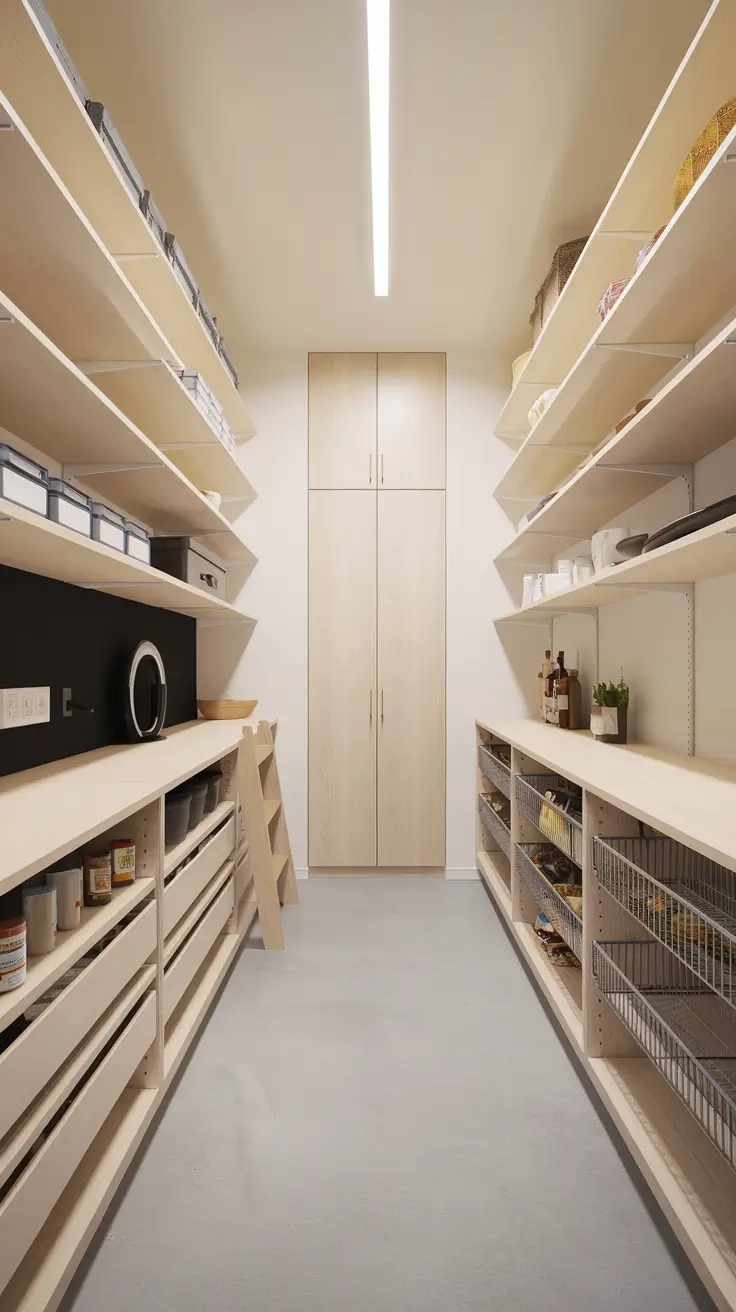
Under-Stairs Pantry Closets: Smart Space Utilization
Convert under-stair cavities into functional pantries by following the slope with tiered shelving-tall shelves at the front, medium in the middle, and low at the back. Use triangular corner shelves to maximize space and pull-out drawers for bottles and pet food.
Install sliding doors to keep hallways clear and add small ramps for smooth drawer operation on uneven floors. Paint interiors light to reduce shadows and add farmhouse-style hooks for reusable bags and aprons.
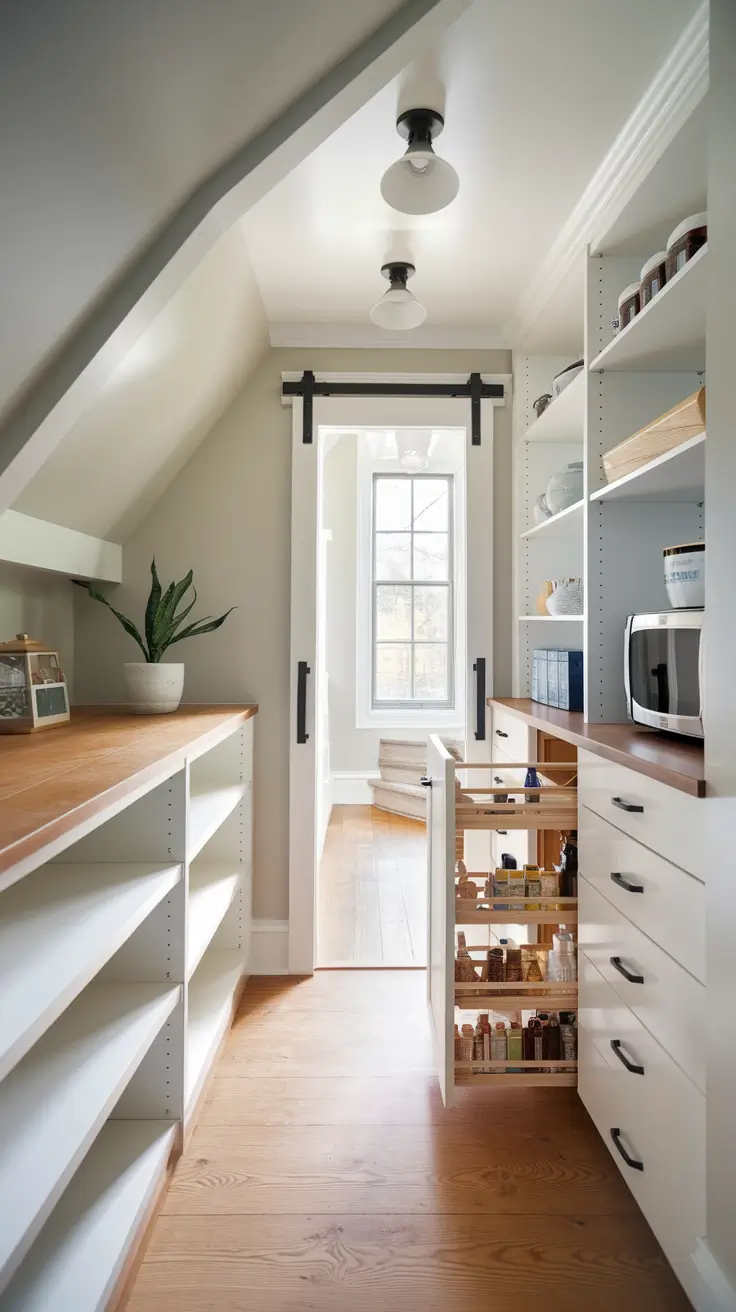
Shallow Pantry Closets for Narrow Spaces
In tight areas, shallow shelves (9-12 inches deep) keep items visible and accessible. Use bifold or sliding doors to maintain open aisles. Incorporate skinny door racks for wraps and condiments, and vertical dividers for baking sheets. Position small peg rails for cups and bins for tea and coffee.
Choose matte or frosted containers to reduce glare from LED lighting. Maintain a minimalist container palette to reduce visual noise and overflow to backstock bins to keep daily shelves tidy.
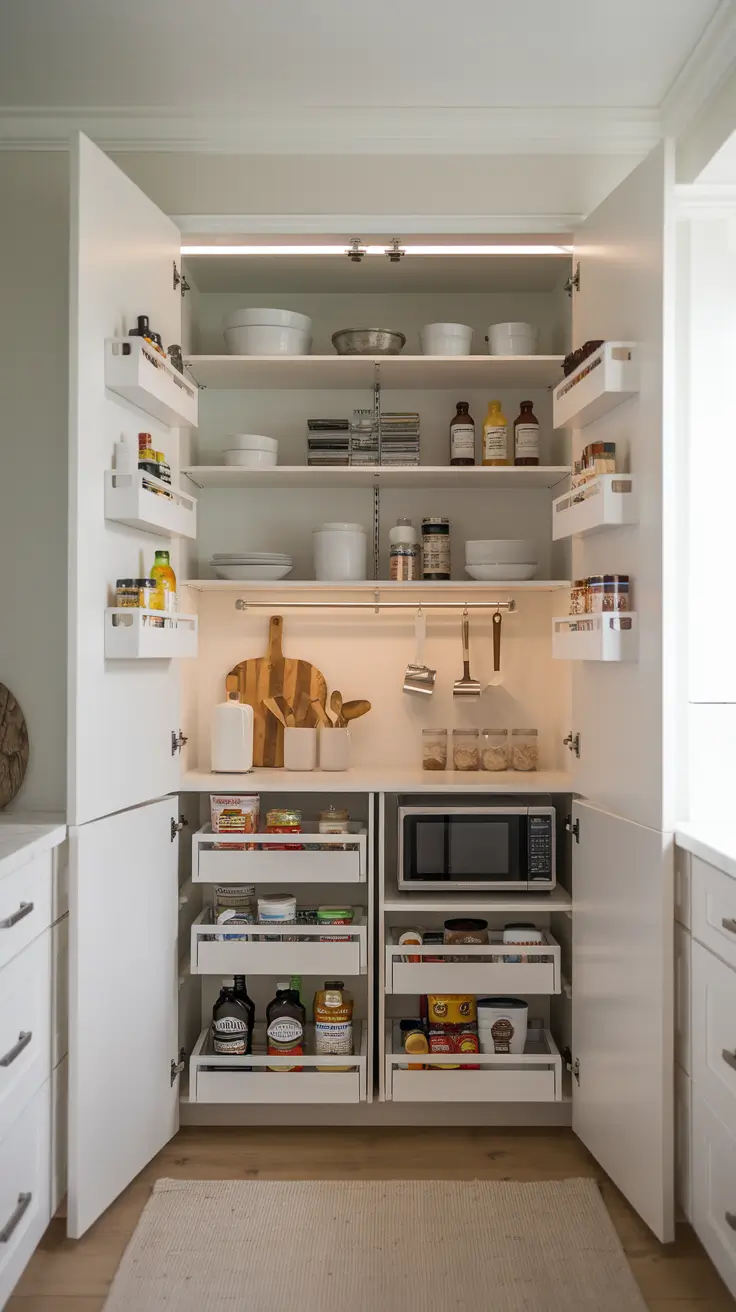
Modern Small Kitchen Pantry Closets
Measure your closet’s dimensions and door swing to plan efficient layouts. Use narrow pull-out frames and door racks to double storage capacity while keeping aisles clear. Sliding or bifold doors save space and prevent appliance obstruction.
Install full-extension drawers for root vegetables and snacks, shallow shelves for cans, and spice panels on doors. Add labeled caddies for baking sheets, cutting boards, and lunch prep items. Separate food and cleaning supplies in latching bins for safety.
Shop pantry storage bins on Amazon to organize your small kitchen pantry efficiently.
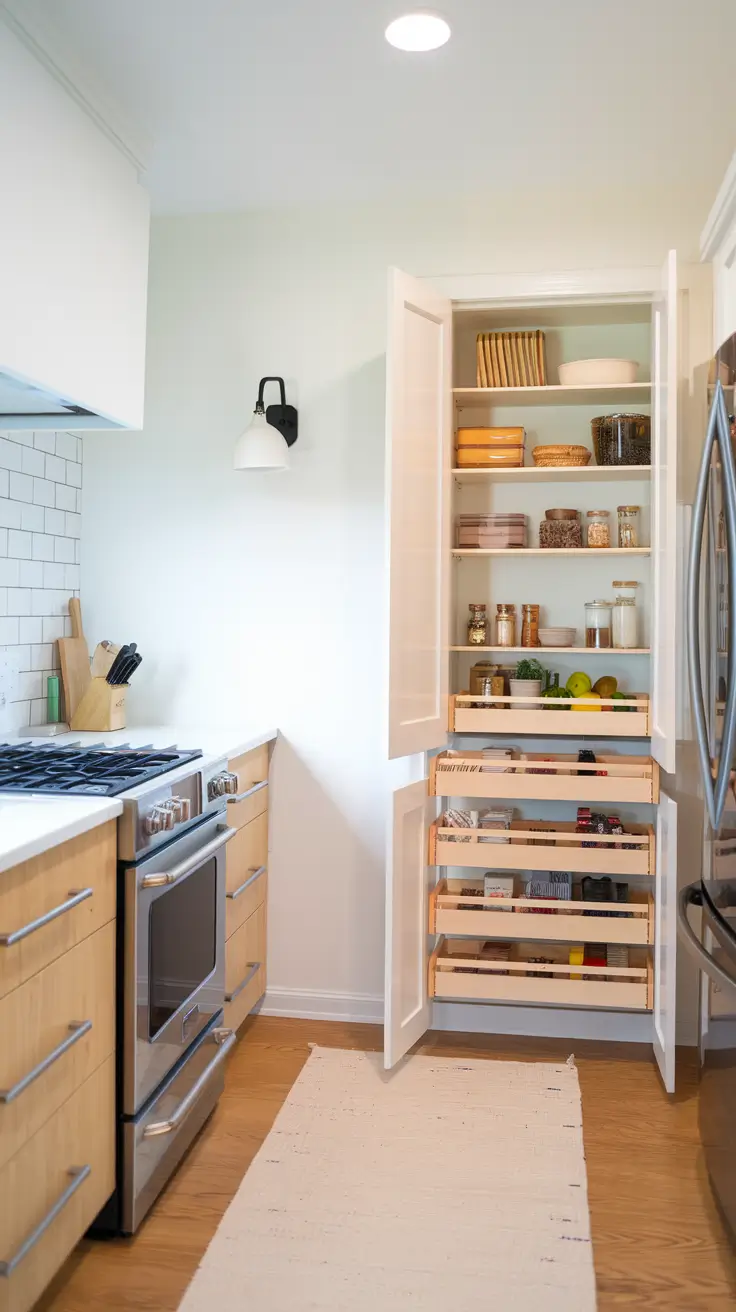
Open Pantry Closets: Bright and Airy Designs
Open pantries extend the room’s aesthetic and require thoughtful color and material choices. Use light neutral walls and wooden shelves with slender fronts for a clean, modern look. Combine closed baskets on lower shelves with glass or ceramic jars at eye level for a curated appearance.
Subdivide long walls into bays to prevent sagging and maintain visibility. Add stepped risers for canned goods and designate snack cubbies near entrances to reduce kitchen traffic. Limit basket types to two for visual calm and perform weekly edits to avoid clutter.
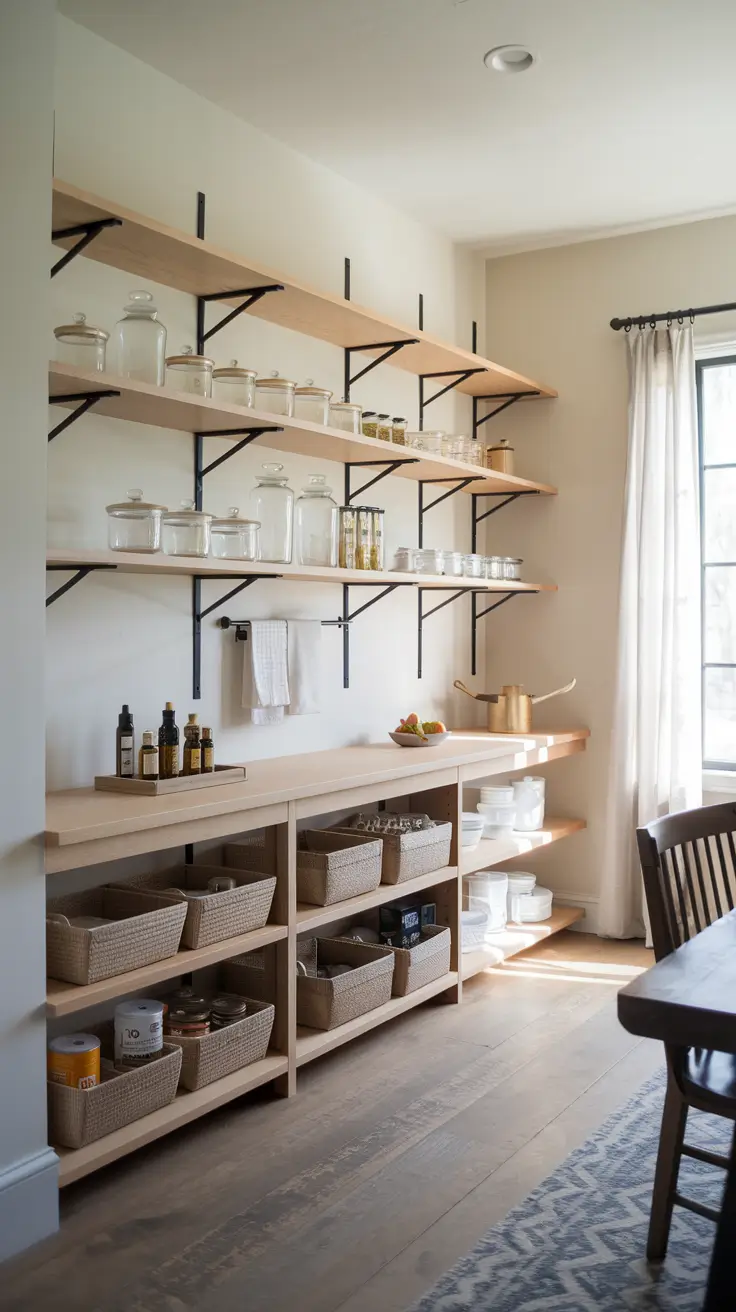
Narrow Pantry Closets: Expanding Perceived Space
Use shallow shelves (around 10 inches deep) to keep items single-file and visible. Add mirrors on far walls or doors to reflect light and create depth. Taper lower shelves near hallways or stairs to prevent bumps. Install sliding doors with soft-close hardware for smooth operation.
Incorporate slim pull-out towers for bottles, over-door racks for spices, and vertical dividers for trays. Use matte-finish containers to reduce glare and freestanding ladder shelves for flexibility in rentals. Label shelves by category to maintain order.
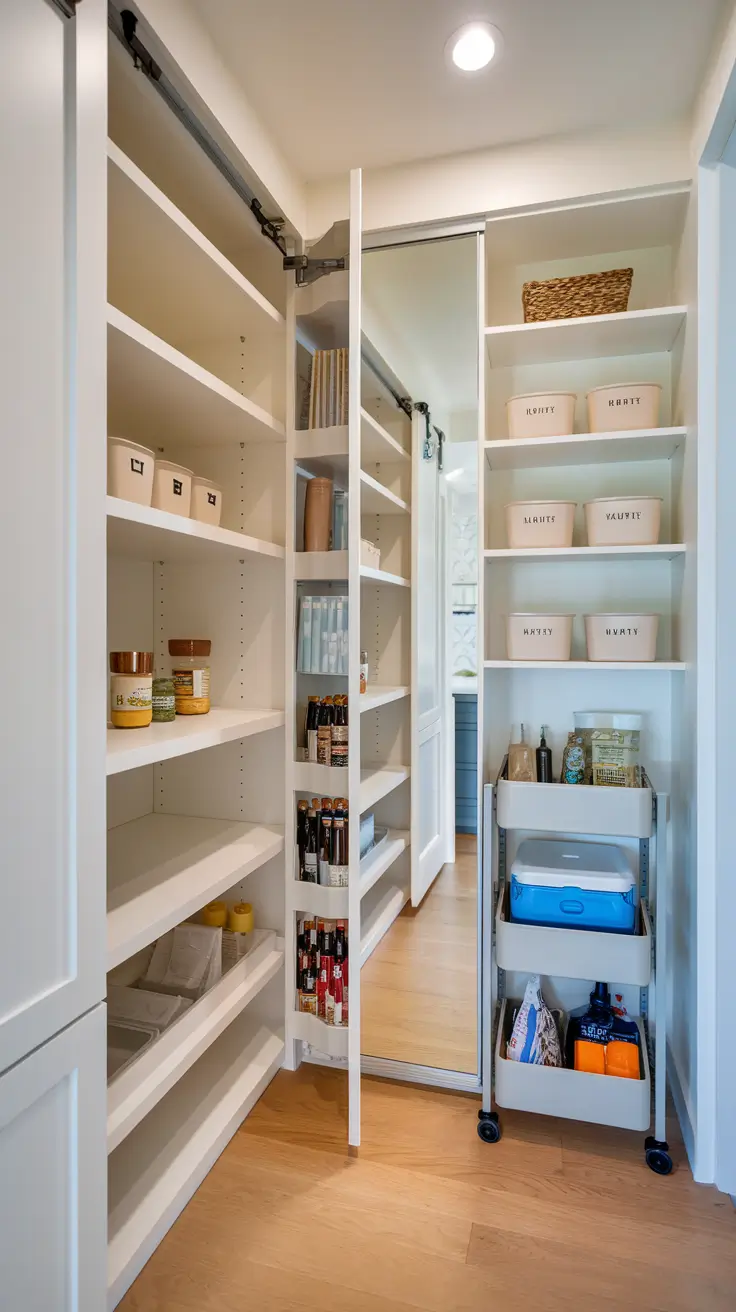
Double Closet Pantries for Larger Households
Combine two closets to create distinct zones-one for daily dry goods and breakfast, the other for bulk storage, appliances, and beverages. Keep shelf heights consistent for flexibility and store heavy items between knee and hip height for safety.
Include a landing shelf outside the closets for sorting large grocery hauls. Designate appliance bays with built-in outlets and ventilation. Use color-coded bins to avoid mix-ups and install whiteboards inside doors for meal planning and inventory tracking.
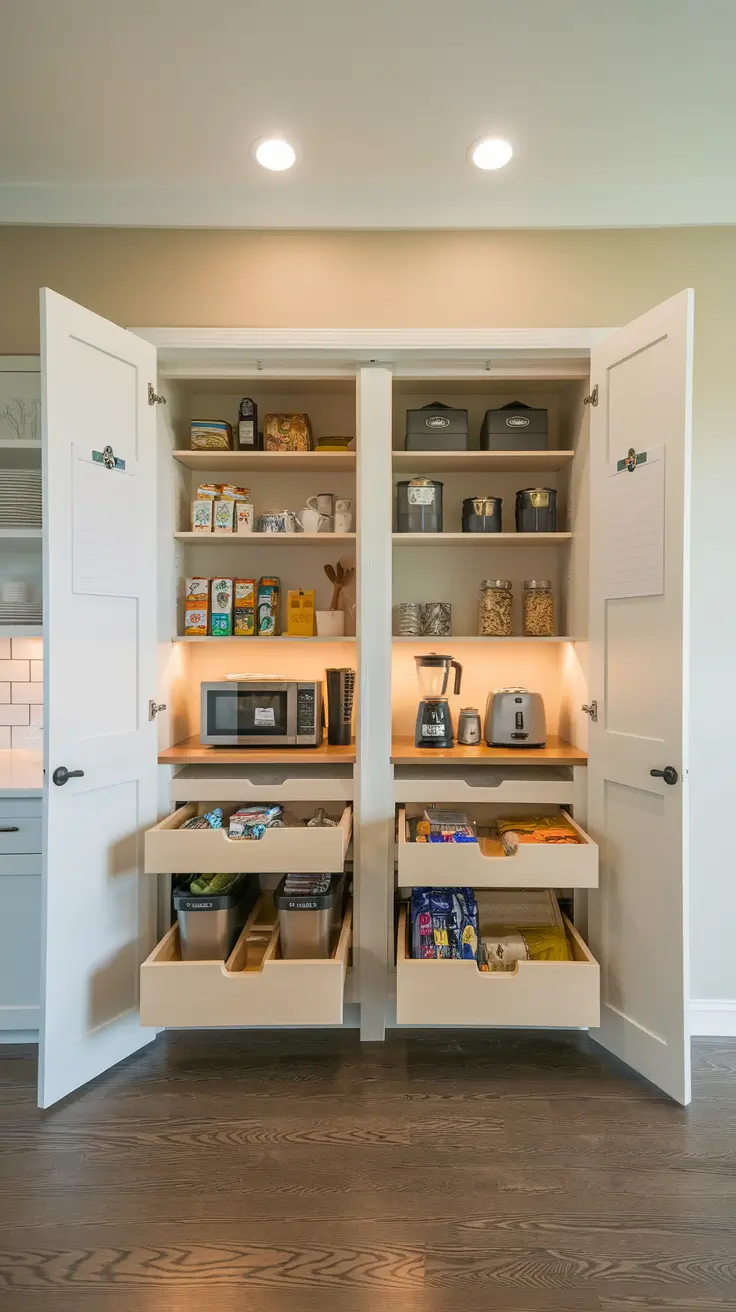
Long Pantry Closets: Creating Functional Aisles
Treat long pantry walls like market aisles by creating stations for daily use, bulk storage, and oversized items. Subdivide interiors into repeatable modules to prevent items from getting lost behind closed doors. Use symmetrical brackets and uniform container heights for visual harmony.
Limit shelf depth to 16 inches for food storage and reserve deeper shelves for paper goods and appliances. Install outlets strategically for flexibility and add counters for butler-style pantries. Use semi-gloss paint for easy cleaning and soft dome pulls for safety in tight aisles.
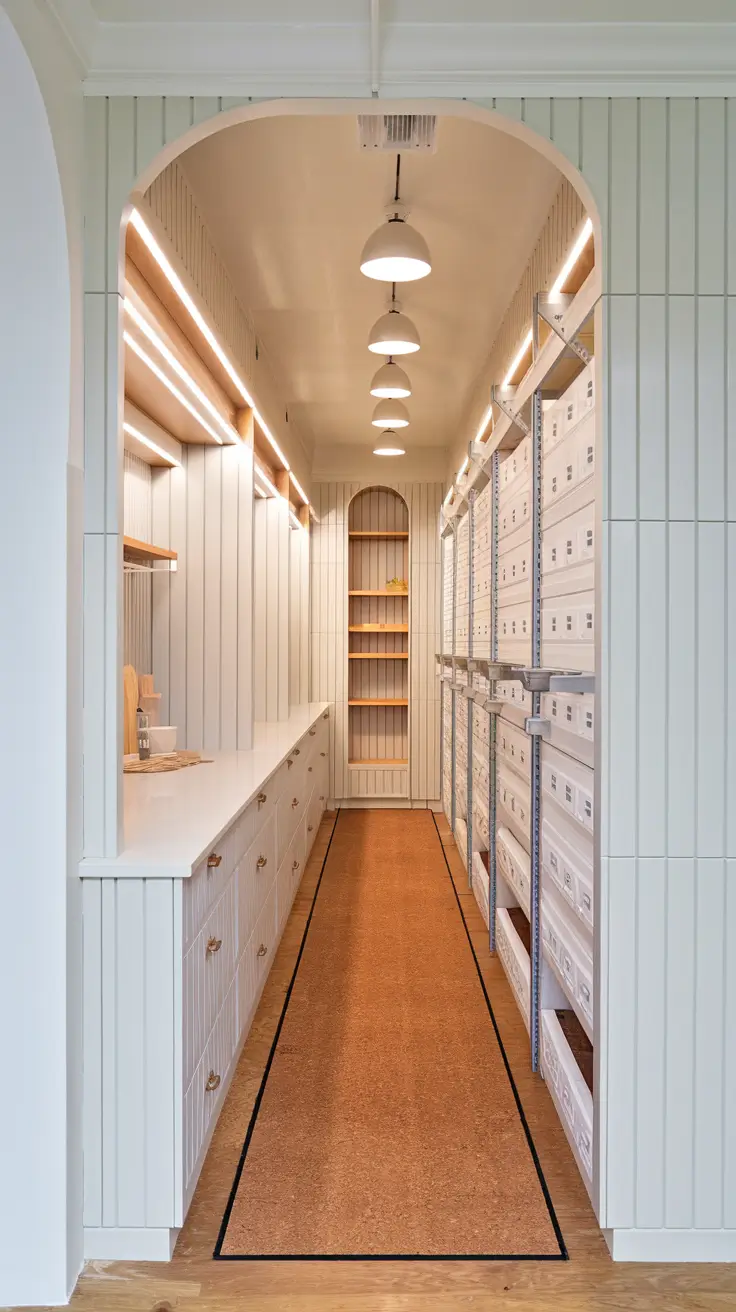
California-Style Closet Pantries: Sleek and Adaptable
For a modern, adaptable pantry, use full-height panels with adjustable steel pins, combining shelves, drawers, and ventilated baskets. Allocate 12-16 inch deep shelves for cans and jars, 20-24 inch shelves for bulk goods, and soft-close drawers for snacks and utensils.
Add vertical tray dividers for platters and slender pull-outs for spices. Retain some hanging space for aprons or tablecloths. Maintain consistent finishes and readable labels. Incorporate small counters or slide-out work surfaces for grocery unpacking.
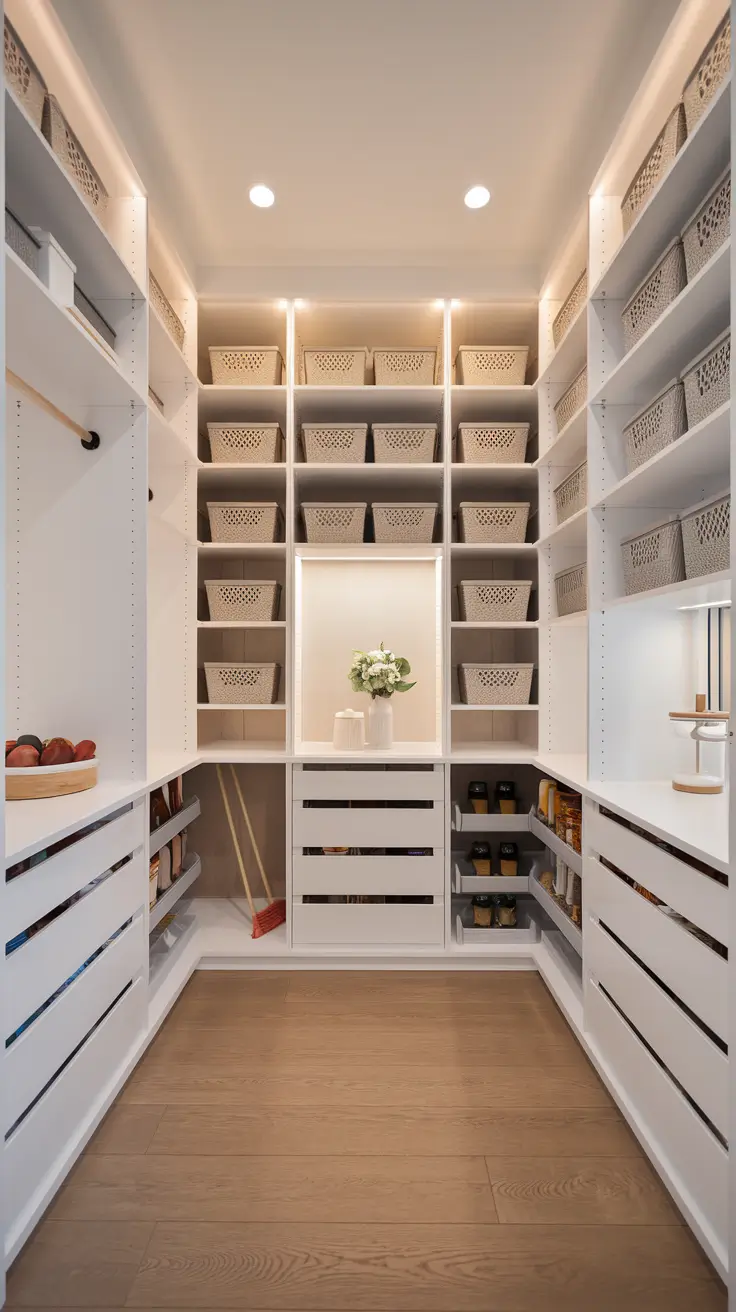
Wall-Mounted Pantry Closets for Vertical Efficiency
In homes with limited space, a wall-long pantry closet with varied interior depths offers robust storage without bulk. Use shallow wells (8-12 inches) for label-facing visibility and deeper bays for large items. Incorporate door racks, pegboards, and pull-outs designed for heavy loads.
Maintain vertical consistency with repeated shelf gaps matching product heights. Add chalk strips for lists and battery-operated lights for dark corners. Consider a coffee setup niche and broom storage near entry points for convenience.
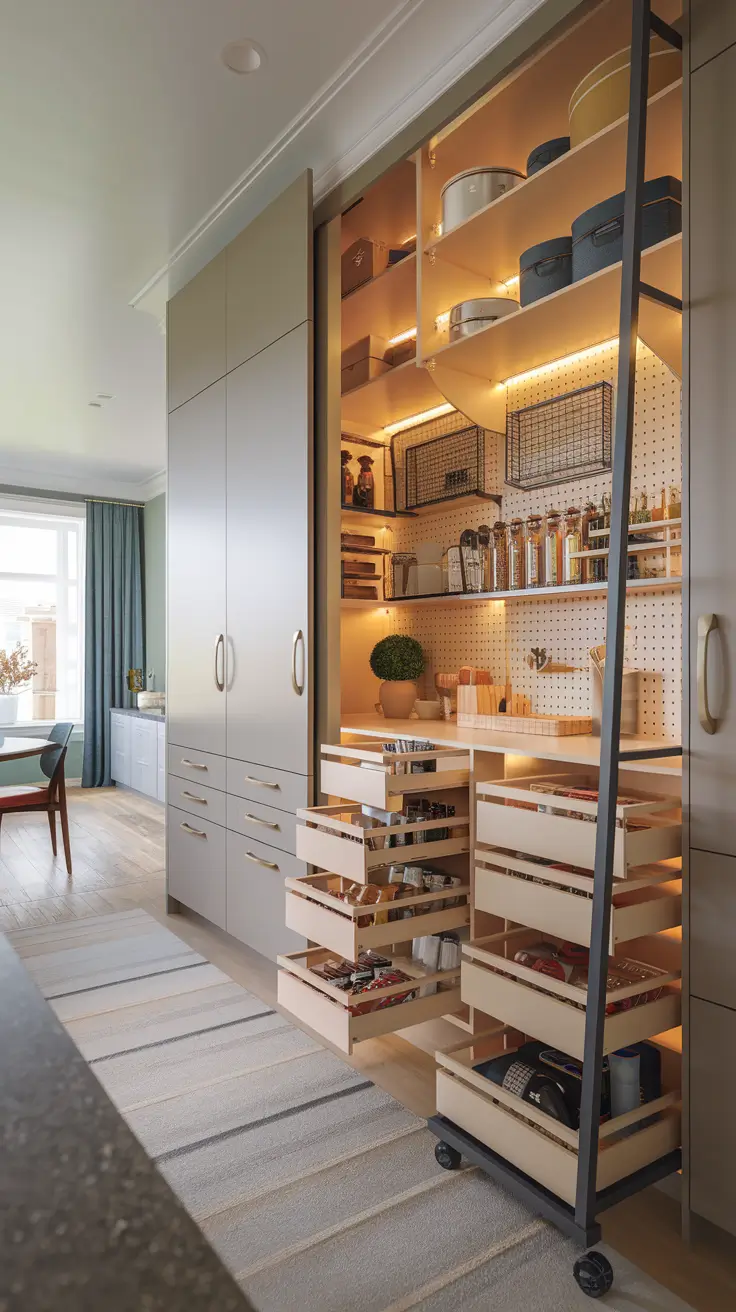
Sliding Door Pantries: Space-Saving and Stylish
Sliding doors are ideal for narrow kitchens and hallways, providing unobstructed access without encroaching on floor space. Match door panels to wall finishes or cabinetry for a seamless look. Use heavy top tracks, soft-close mechanisms, and bottom guides for smooth operation.
Inside, plan zones with varying shelf depths and pull-out trays. Include spice pull-outs near microwaves and covered corrals for backstock. Add step stool rails, inside outlets, and compost caddies for functionality.
Find sliding door hardware on Amazon to upgrade your pantry doors.
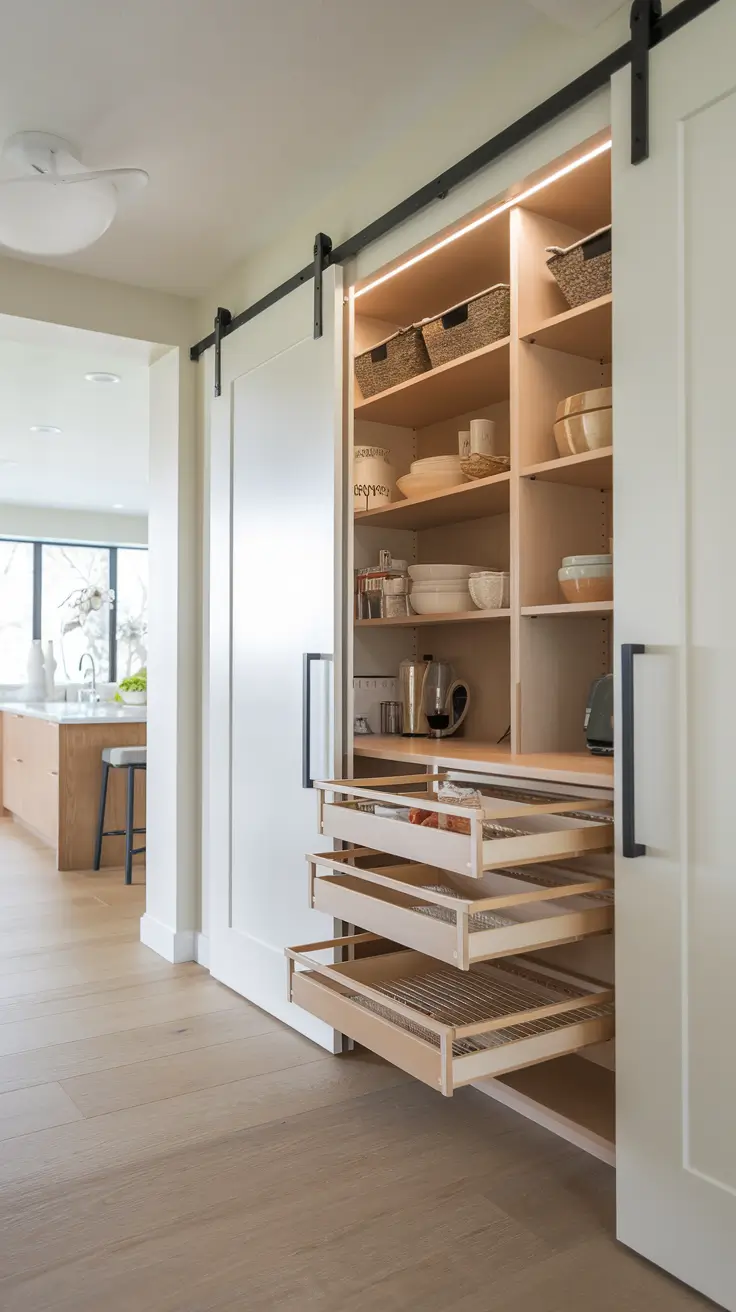
Bifold Doors for Easy Pantry Access
Bifold doors offer a middle ground between swing and sliding doors, providing wide access without blocking aisles. Ideal for small or deep closets, they facilitate quick scanning of shelves. Use tiered risers, clear bins, and labeled baskets to maximize storage.
Add hooks for aprons or brooms inside door leaves, lazy Susans for oils and sauces, and lidded bins for pet food. Bifolds are cost-effective, easy to adjust, and reversible for renters.
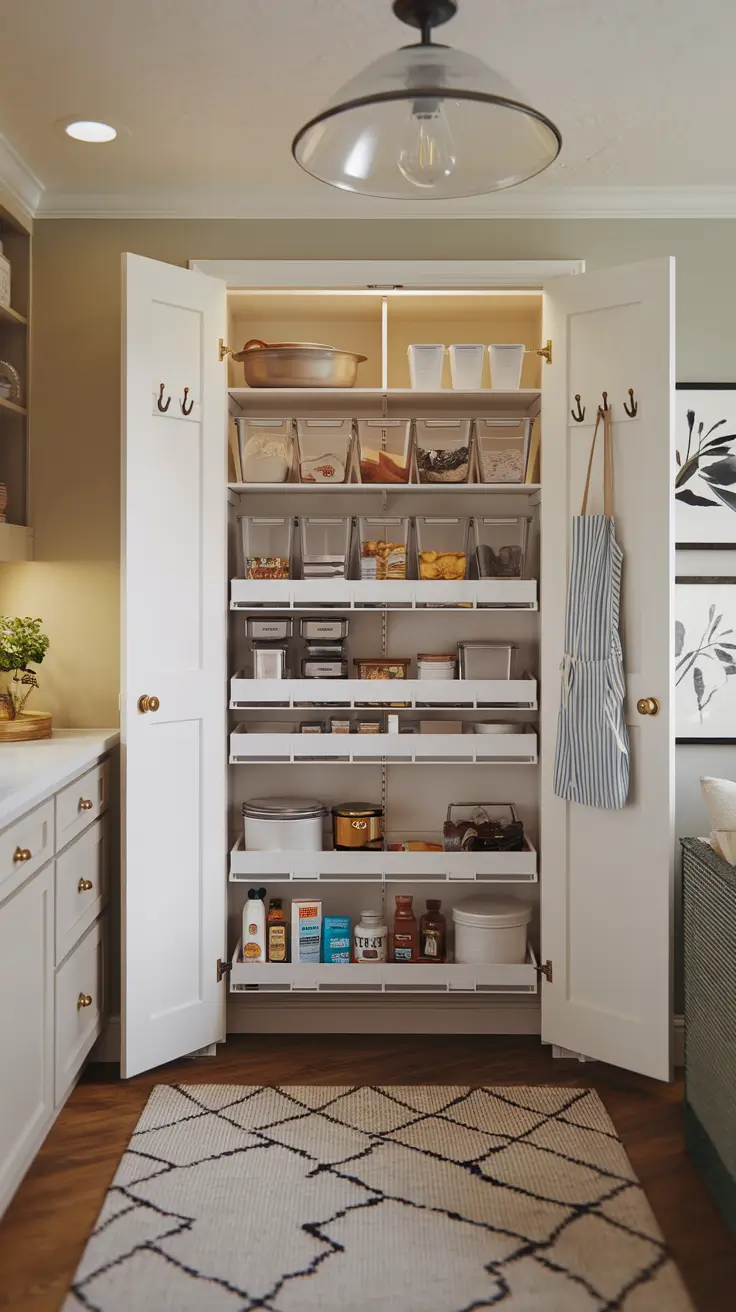
Wide Pantry Closets: Creating Zones for Large Kitchens
Large pantries allow for distinct zones, improving accessibility and flow. Use double or sliding doors to open the entire width. Install deep shelves (14-16 inches) for staples, full-extension drawers (18-20 inches) for bulk items, and vertical slots for sheet pans.
Include a 24-inch landing counter with durable surfaces and dedicated outlets for appliances. Use LED task lighting and sensor-activated overhead lights. Store spices and oils in shallow shelves or door racks to prevent loss.
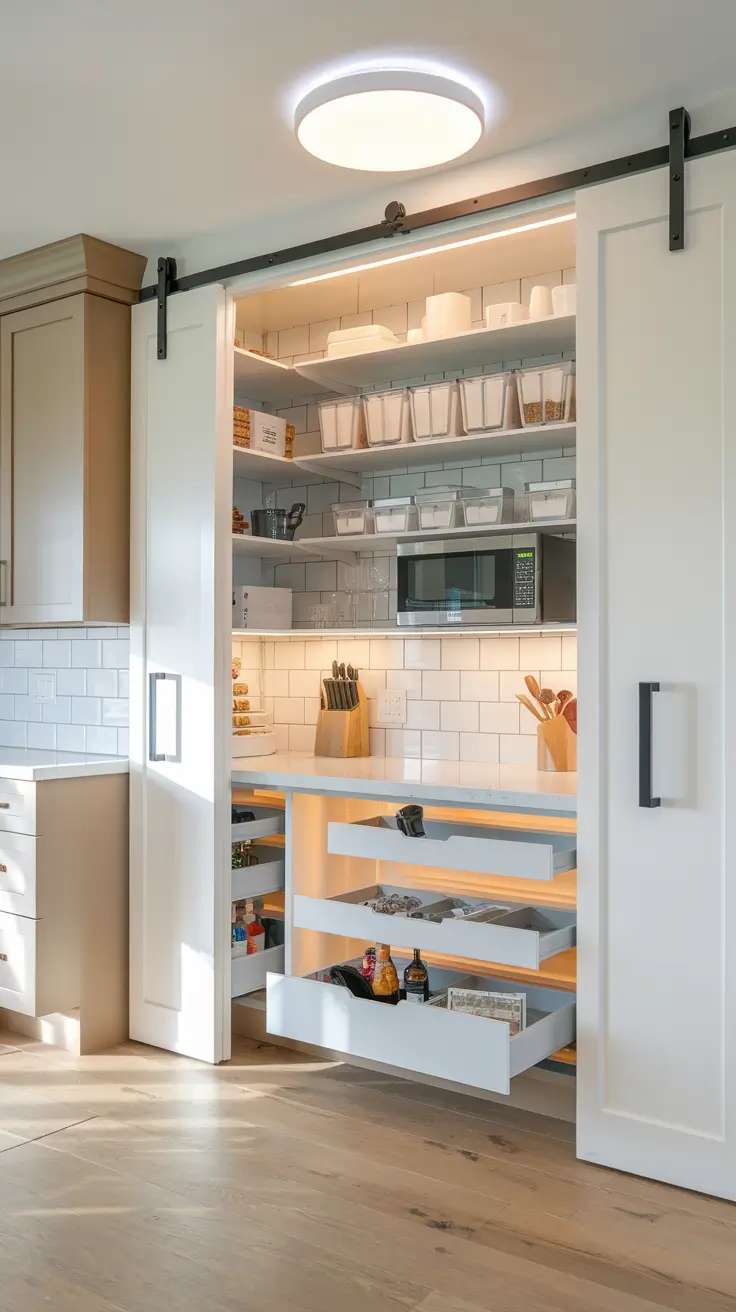
Cozy Farmhouse Pantry Closets
Embrace warmth with wood shelves, authentic hardware, and soothing wall colors like soft linen or sage. Use sliding barn-style doors with shiplap or beadboard accents. Combine open shelves for daily jars with bins below to reduce clutter. Conceal microwaves behind hutch-style cabinets or tambour doors.
Add wire baskets with liners for produce, ceramic canisters for staples, and labeled crates at child height for snacks. Use aged brass or matte black hardware and warm sconces for inviting lighting. Incorporate ventilated drawers for root vegetables and hooks for aprons and measuring cups.
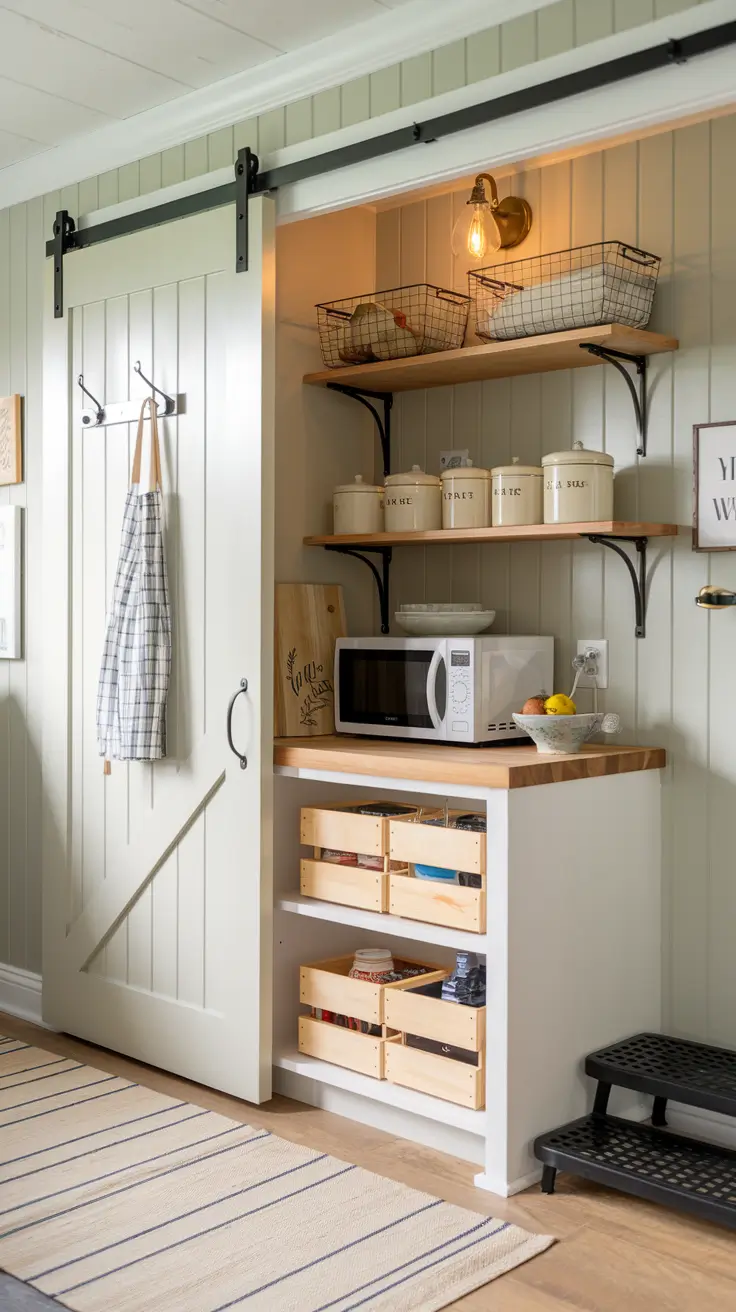
Essential Pantry Accessories and Tools
- Label makers for clear, consistent labeling
- LED puck lights with motion sensors for hands-free illumination
- Uniform storage bins to reduce visual clutter
- Pull-out trays and soft-close drawer slides for smooth access
- Vertical dividers for cutting boards and baking sheets
- Step stools with hooks for easy storage
Final Thoughts: Creating a Pantry That Works for You
Designing a closet pantry is about balancing style, function, and personal habits. Prioritize visibility, accessibility, and organization to reduce decision fatigue and streamline meal prep. Incorporate lighting, durable materials, and thoughtful storage solutions to create a space that feels integrated and inviting.
Whether you’re upgrading a small hall closet or designing a walk-in pantry, these ideas offer a roadmap to a more efficient and beautiful kitchen storage solution.
