
Scandinavian interior design has become a globally cherished and timeless style, admired for its elegant simplicity and practical beauty.
Rooted in the Nordic countries-Denmark, Sweden, Norway, Finland, and Iceland-this design ethos prioritizes functionality, minimalism, and a harmonious relationship with nature, crafting interiors that feel both modern and inviting.
For those curious about what is Scandinavian interior design, it transcends mere decoration, embodying a lifestyle philosophy that fosters well-being through thoughtfully curated environments.
By blending sleek, clean lines with cozy textures, Scandinavian design offers spaces that are as livable as they are visually appealing.
Tracing the Roots and Ideals of Nordic Design
Historical Context and Evolution
Emerging in the early 1900s, Scandinavian design was a practical response to the region’s severe climate and limited daylight.
The style gained international acclaim in the 1950s, notably after the influential “Design in Scandinavia” exhibition at New York’s Brooklyn Museum in 1954, which introduced American audiences to Nordic aesthetics.
Pioneers such as Alvar Aalto, Arne Jacobsen, and Josef Frank laid the groundwork in the 1930s, championing a design philosophy that was democratic-accessible, affordable, and functional without sacrificing elegance.
Environmental and Cultural Inspirations
The Nordic environment deeply informs Scandinavian design principles.
Extended winters with scarce sunlight inspired interiors flooded with brightness, while the breathtaking natural surroundings influenced the choice of colors and materials.

This profound connection to nature remains a cornerstone, reflecting values of simplicity, utility, and reverence for the environment.
As designer Lindye Galloway notes, “Scandinavian design is intentional and approachable, never overdone, making it easy to embrace.”
Fundamental Tenets of Scandinavian Interiors
Embracing Minimalism with Purpose
At its core, Scandinavian design champions minimalism-not as stark austerity but as purposeful simplicity.
Every object and detail serves a function, eliminating clutter to foster calm and mental clarity.
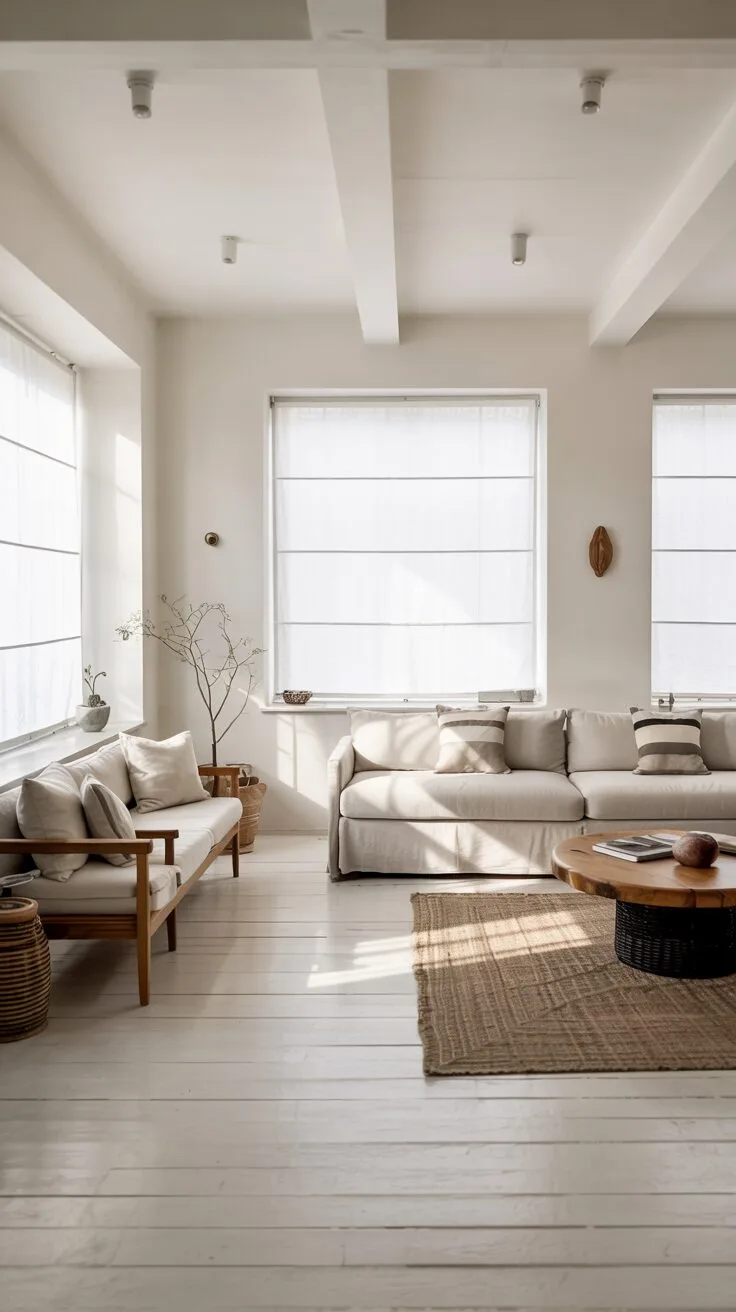
This “less is more” mindset prioritizes essentials like light, comfort, and quality, creating serene spaces that nurture well-being.
Prioritizing Practicality
Functionality is paramount in Nordic design.
Furniture and decor are selected not only for their aesthetic appeal but also for their utility, reflecting a pragmatic approach born from resourcefulness.
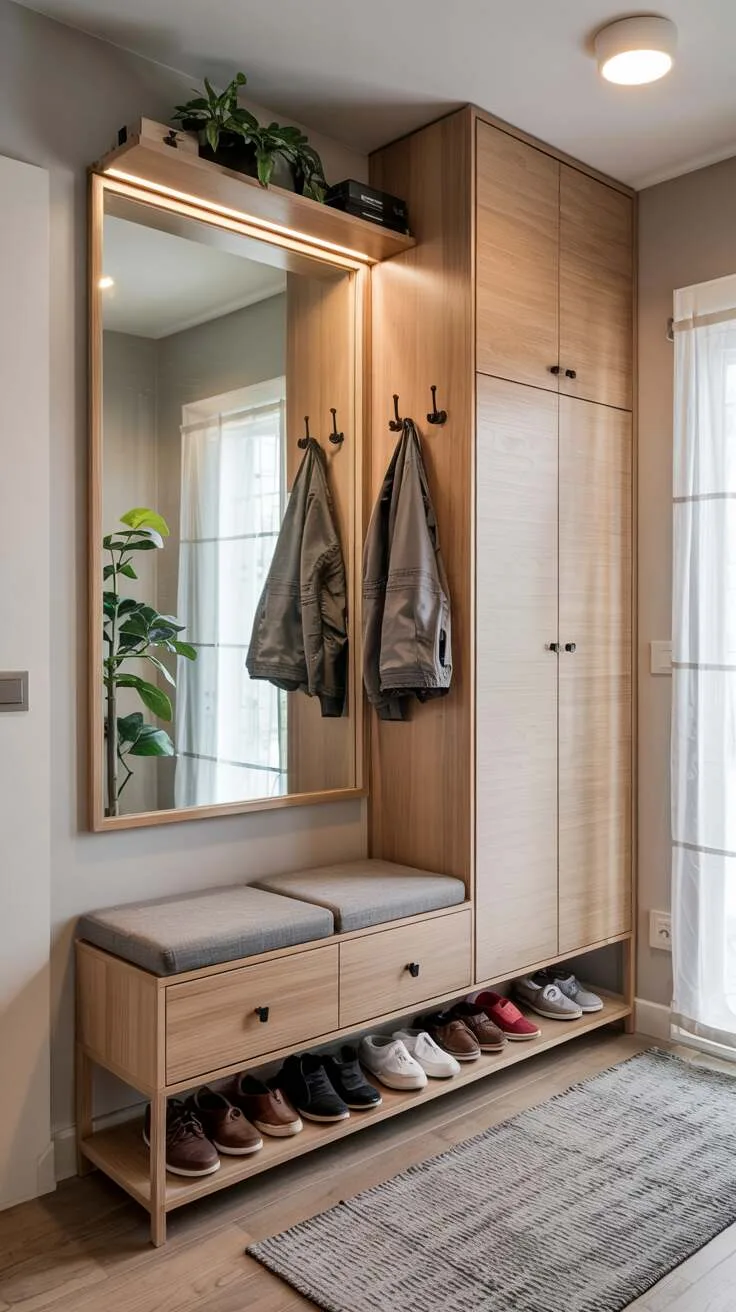
Innovative storage solutions are seamlessly integrated to maintain a tidy, uncluttered environment.
Elegance in Simplicity
While utility is essential, Scandinavian design never compromises on beauty.
It celebrates understated elegance through clean lines, simple shapes, and the natural allure of materials.
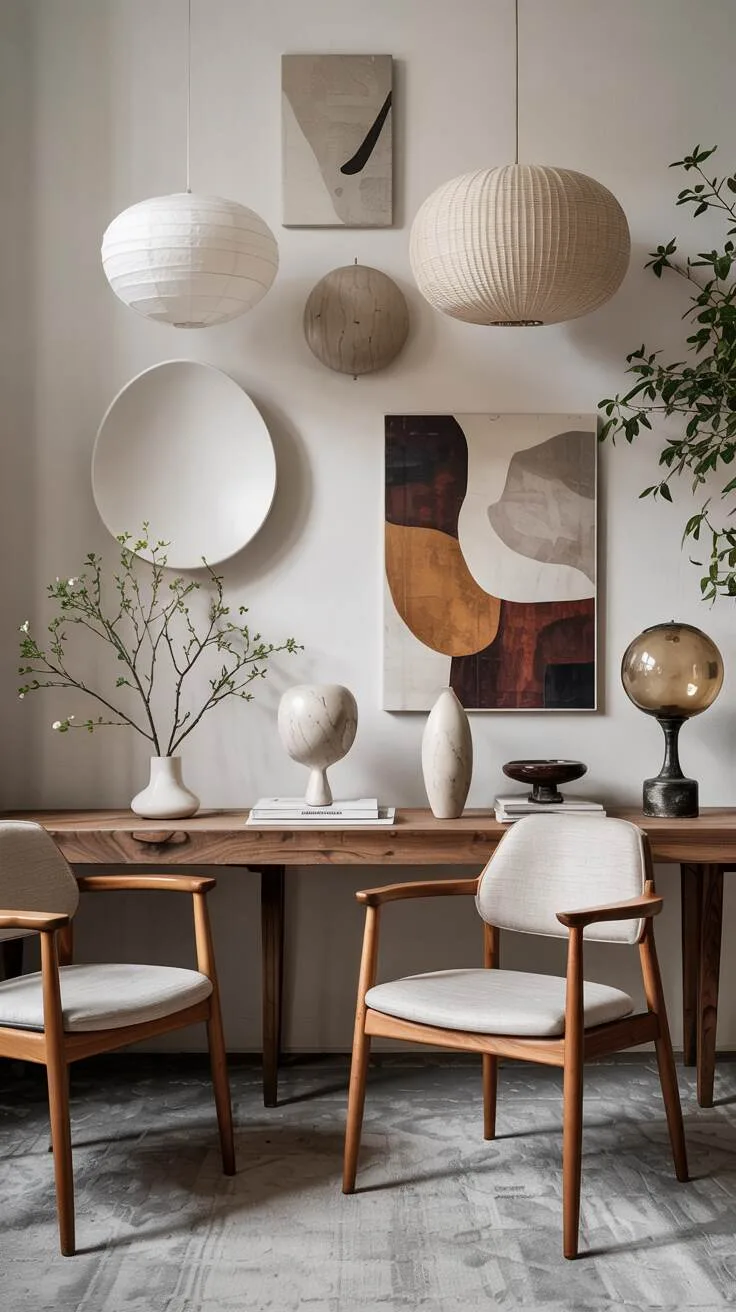
Rather than hiding craftsmanship, these pieces highlight the beauty of their construction, resulting in timeless designs that transcend fleeting trends.
Nature as a Design Partner
Scandinavian interiors maintain a deep bond with the natural world, both in material choices and overall ambiance.
Natural light, organic textures, and a palette inspired by Nordic landscapes create spaces that feel authentic and grounded.
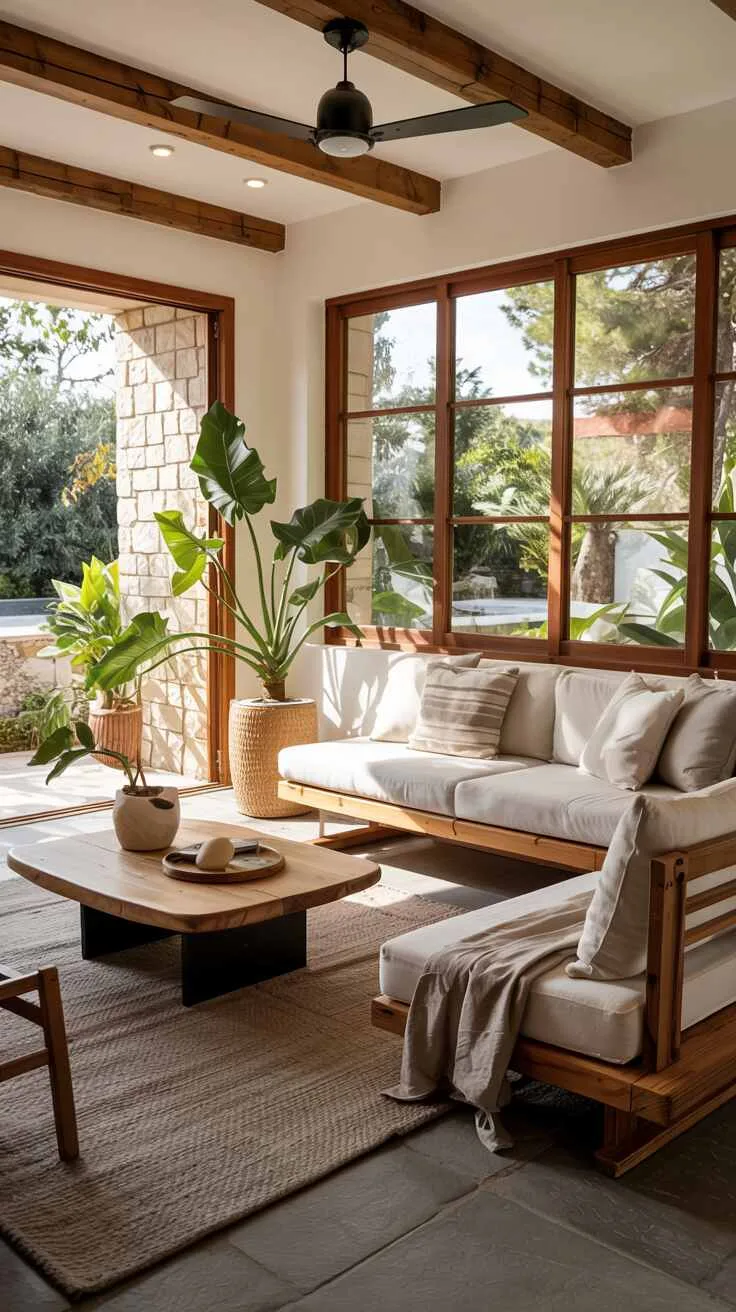
This connection is especially vital during the long, cold winters, offering a sense of warmth and vitality indoors.
Color Schemes That Define Scandinavian Style
Bright Neutrals as a Canvas
White walls are a hallmark of Scandinavian interiors, reflecting light and enhancing the perception of space.
This choice evolved as a practical solution to combat the dimness of Nordic winters.
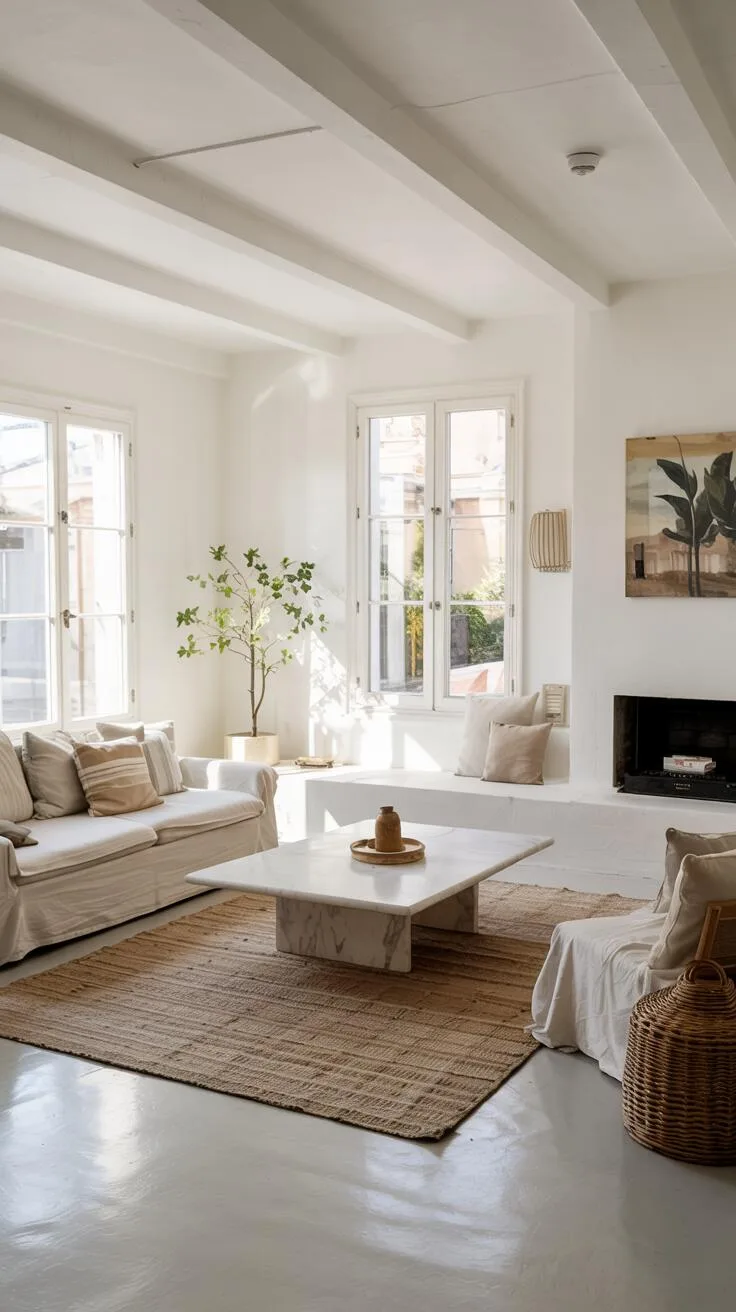
Complementary warm neutrals like cream, ivory, and soft beige add a welcoming softness to the bright backdrop.
Subtle Grays and Earthy Taupes
Shades of gray and taupe provide a sophisticated alternative to pure white, adding depth without sacrificing lightness.
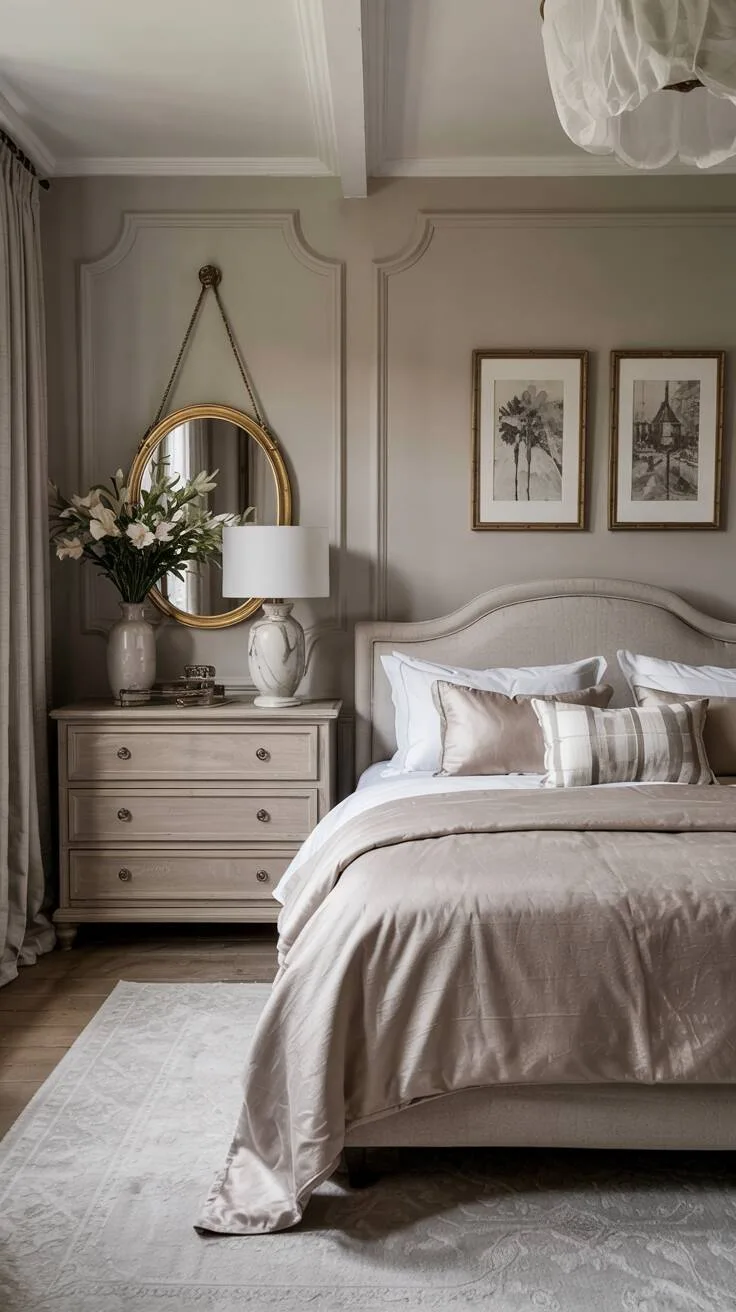
These hues are especially effective in rooms with limited natural light, maintaining the airy feel while adding visual interest.
Gentle Pastels and Muted Hues
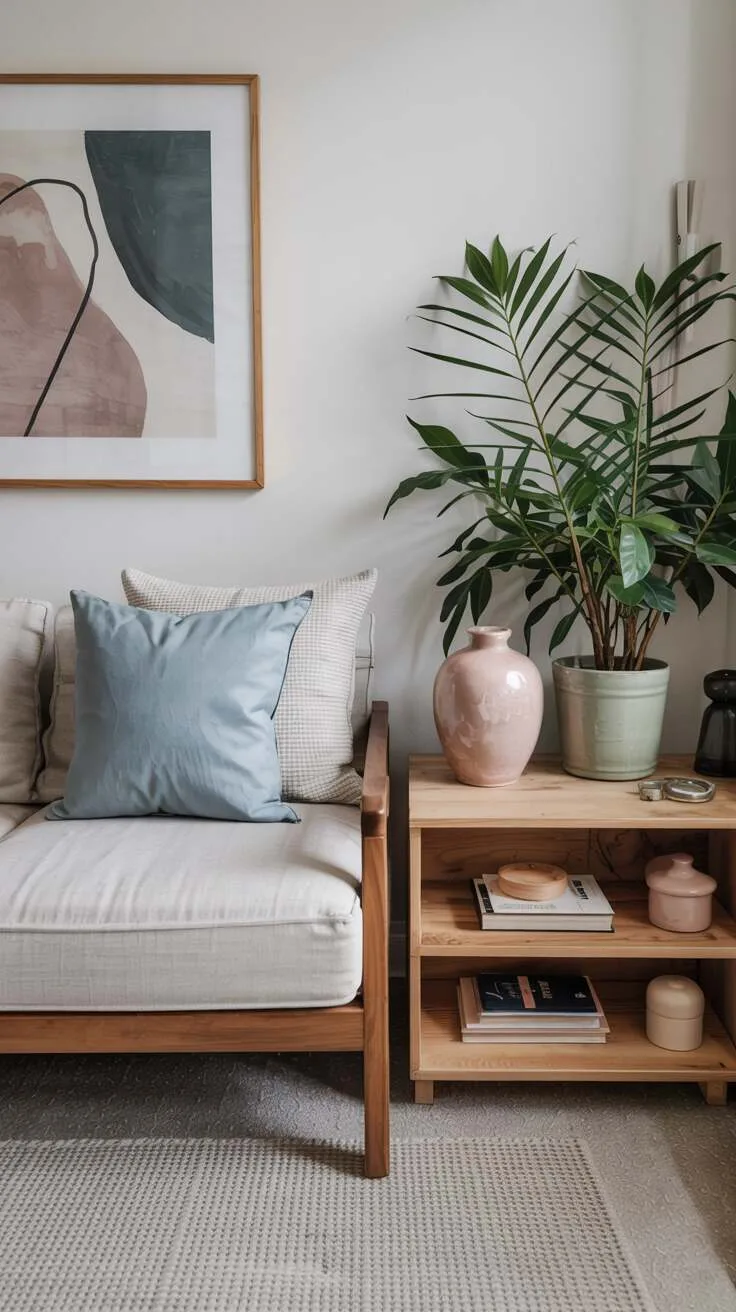
When color accents appear, they tend to be soft and natural, enhancing rather than overpowering the neutral foundation.
Popular choices include pale blues reminiscent of Nordic skies, blush pinks inspired by dawn, muted greens echoing forest tones, and soft yellows reflecting sunlight.
Warmth Through Natural Wood
Light woods such as pine, birch, and ash are integral, adding texture and warmth to the neutral palette.
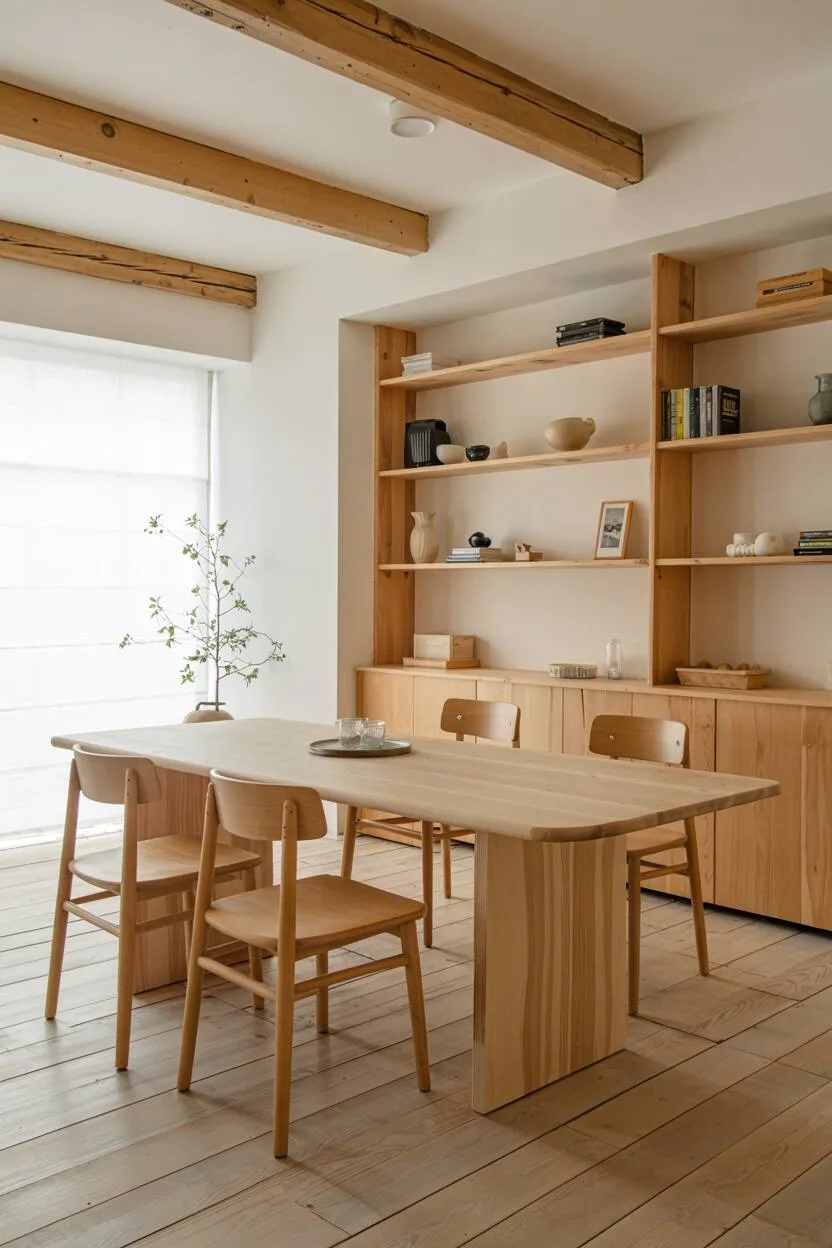
Wood is typically left untreated or finished with clear coatings to preserve its natural grain and color, reinforcing the organic feel.
Key Furniture and Decor Components
Signature Seating Designs
Scandinavian seating is characterized by sleek, functional forms that highlight natural materials.
Furniture often features low profiles, slender legs, and open space beneath to enhance lightness.
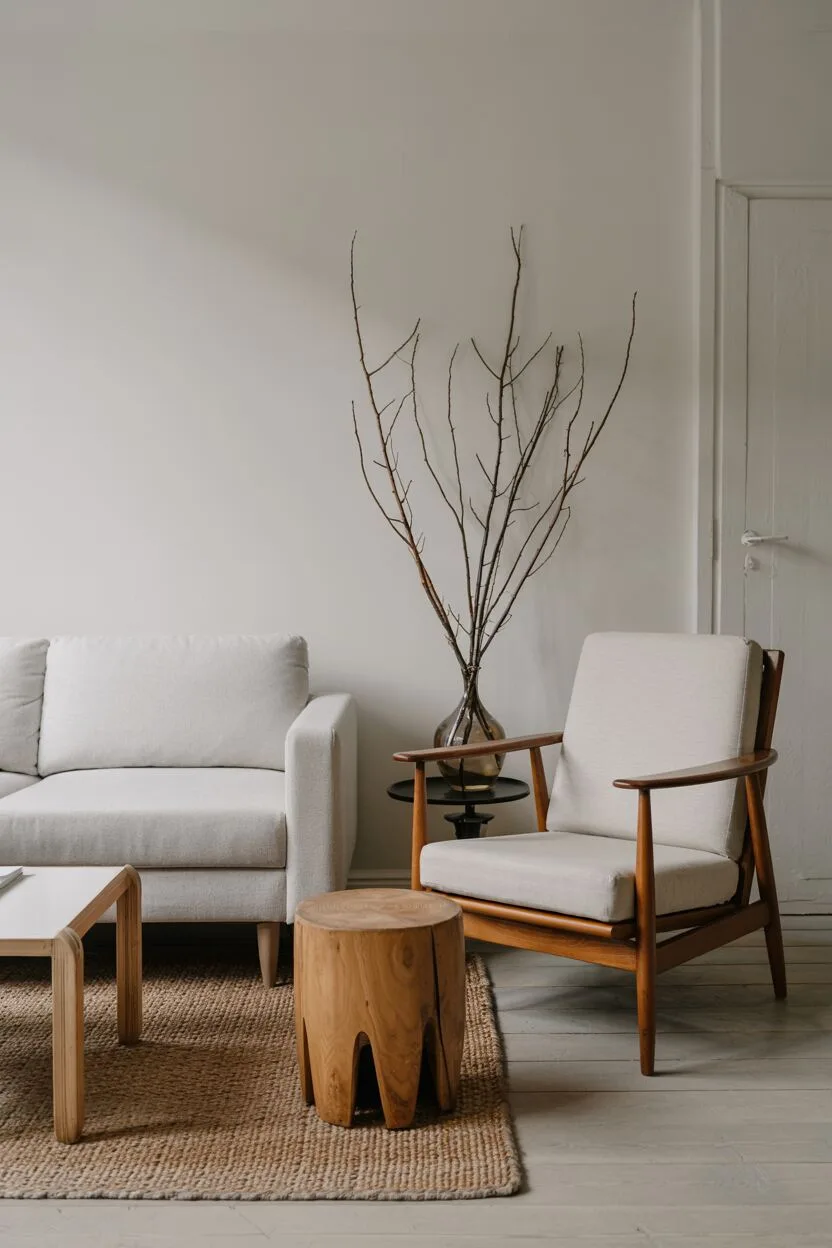
Comfort is achieved through natural fabric upholstery and cozy additions like wool throws and sheepskin rugs.
Dining Spaces That Invite Togetherness
Central to Nordic homes are large wooden dining tables with organic shapes and slender legs, emphasizing communal meals.
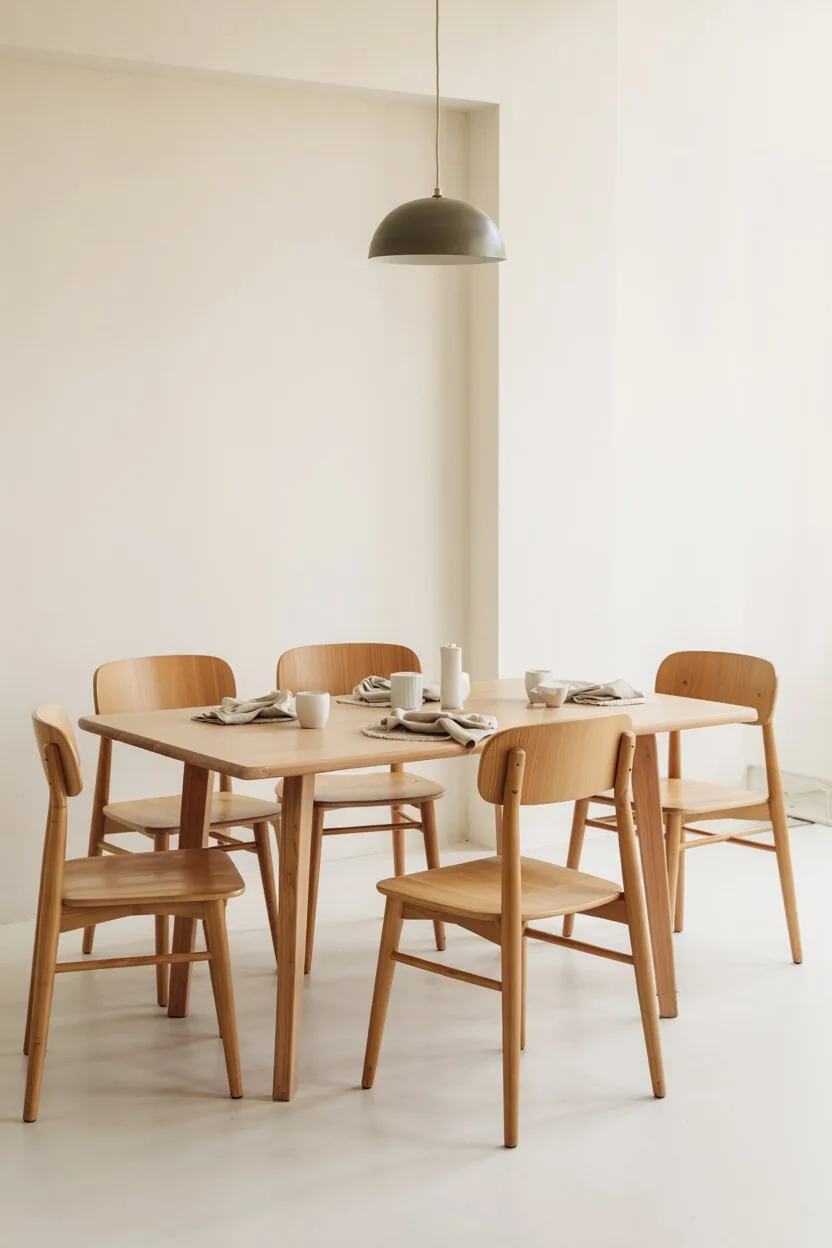
Chairs often combine ergonomic design with natural wood, balancing comfort and style.
Smart Storage Solutions
Maintaining a clutter-free environment is essential, so storage is cleverly integrated into furniture and architecture.
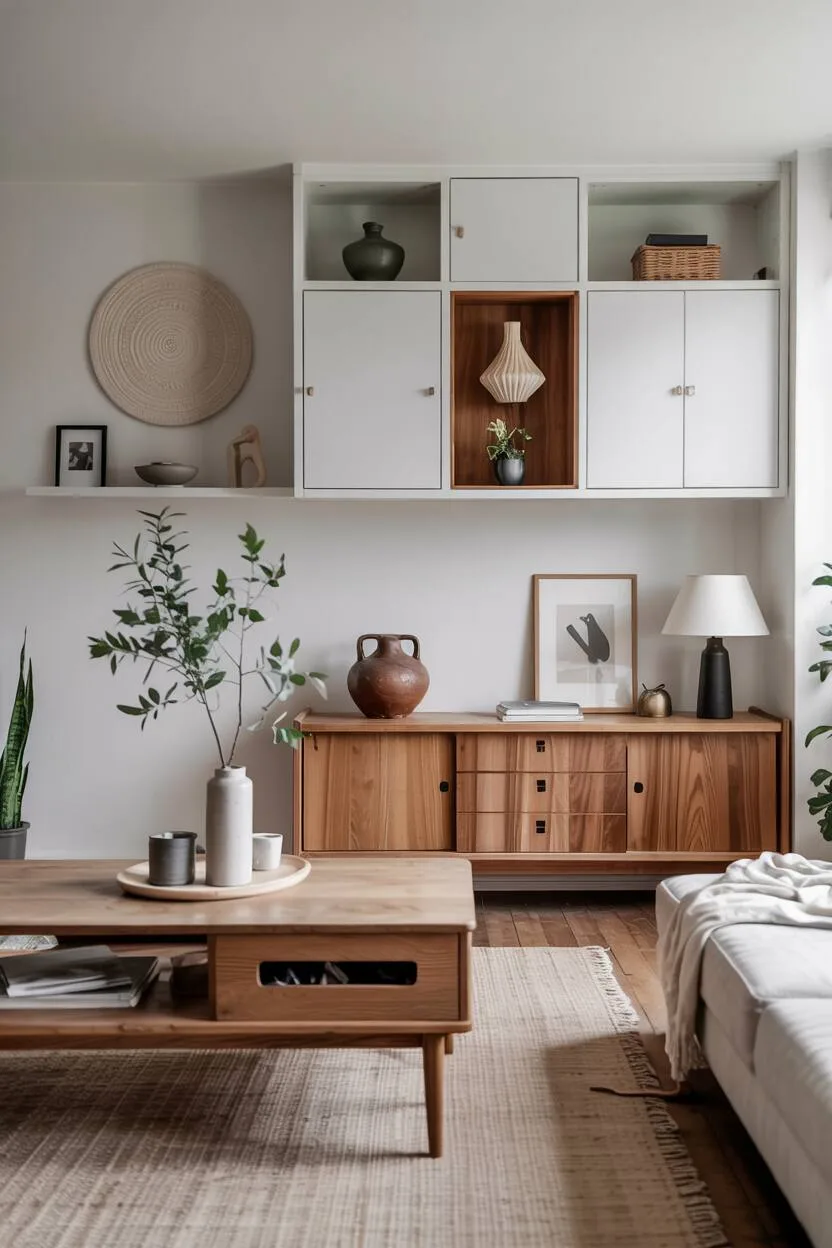
Hidden compartments and minimalist cabinetry help preserve the serene, open atmosphere.
Thoughtful Accent Pieces
Minimalism is balanced with carefully chosen accents that add character and utility without clutter.
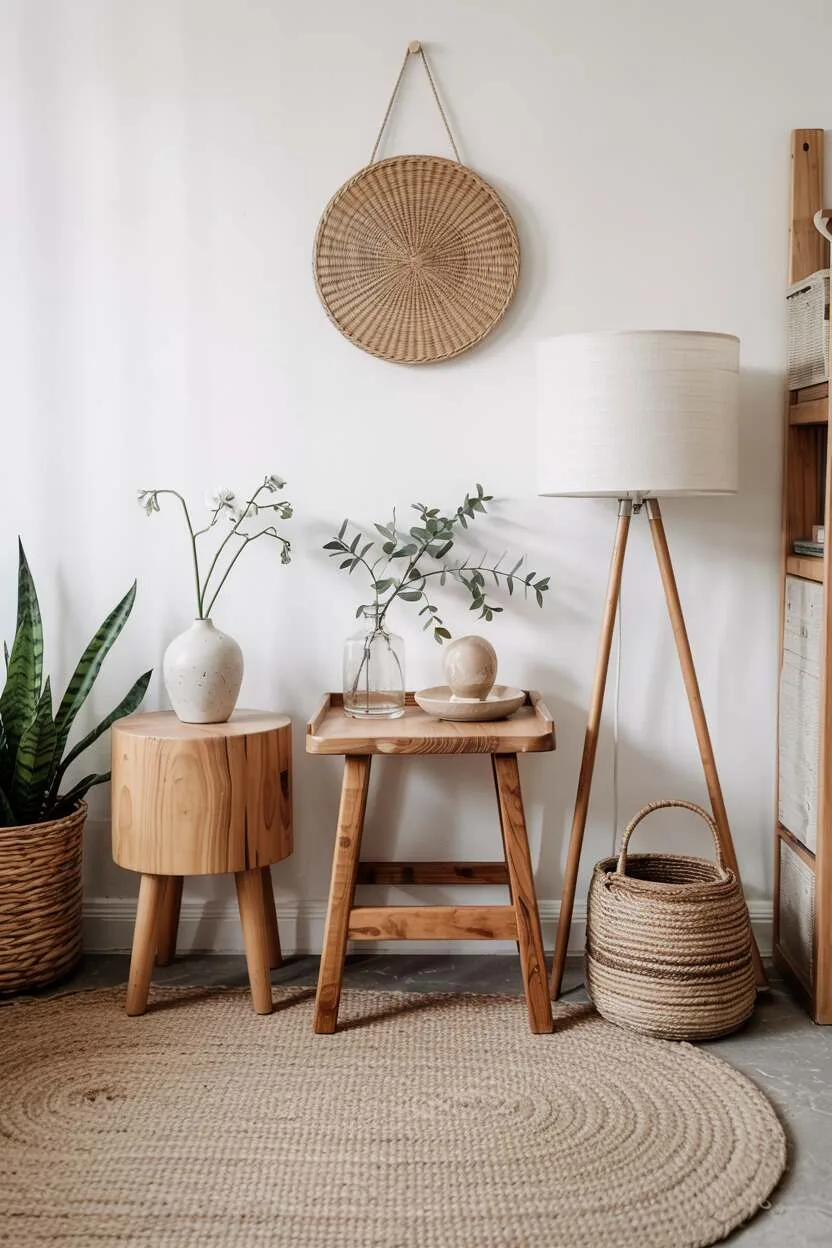
Natural materials and simple finishes ensure these elements complement the overall harmony of the space.
Textures and Materials That Define the Look
Wood: The Heart of Scandinavian Interiors
Light woods such as pine, birch, ash, and beech are prevalent, adding warmth and tactile interest.
Wood is used extensively-from floors to furniture-creating a cohesive and inviting environment.
Textiles for Comfort and Depth
Despite a restrained color scheme, Scandinavian interiors incorporate rich textures through textiles like wool throws, linen cushions, and plush rugs.
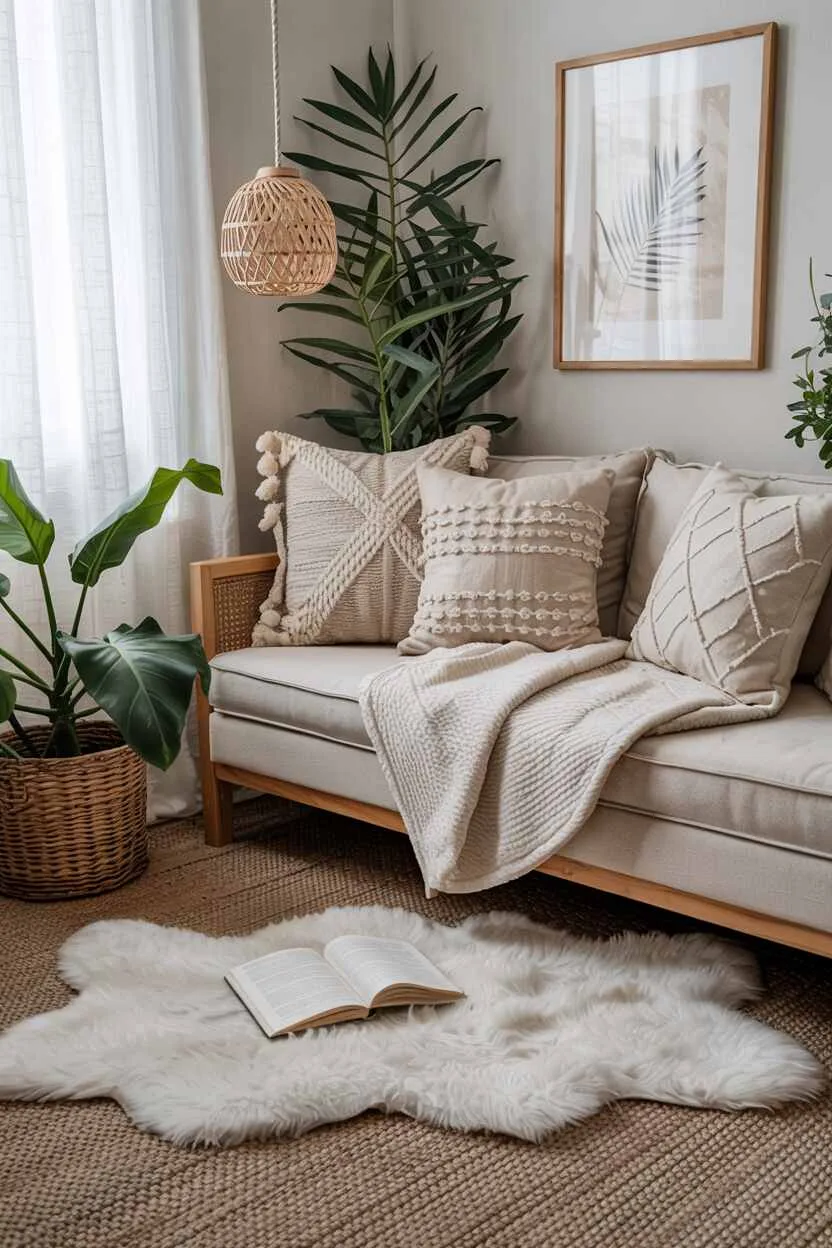
These elements soften the clean lines and add the warmth essential for hygge-inspired comfort.
Natural Stone and Ceramics
Stone and ceramic materials introduce subtle contrasts and functional beauty, often showcased in their raw, unadorned forms.
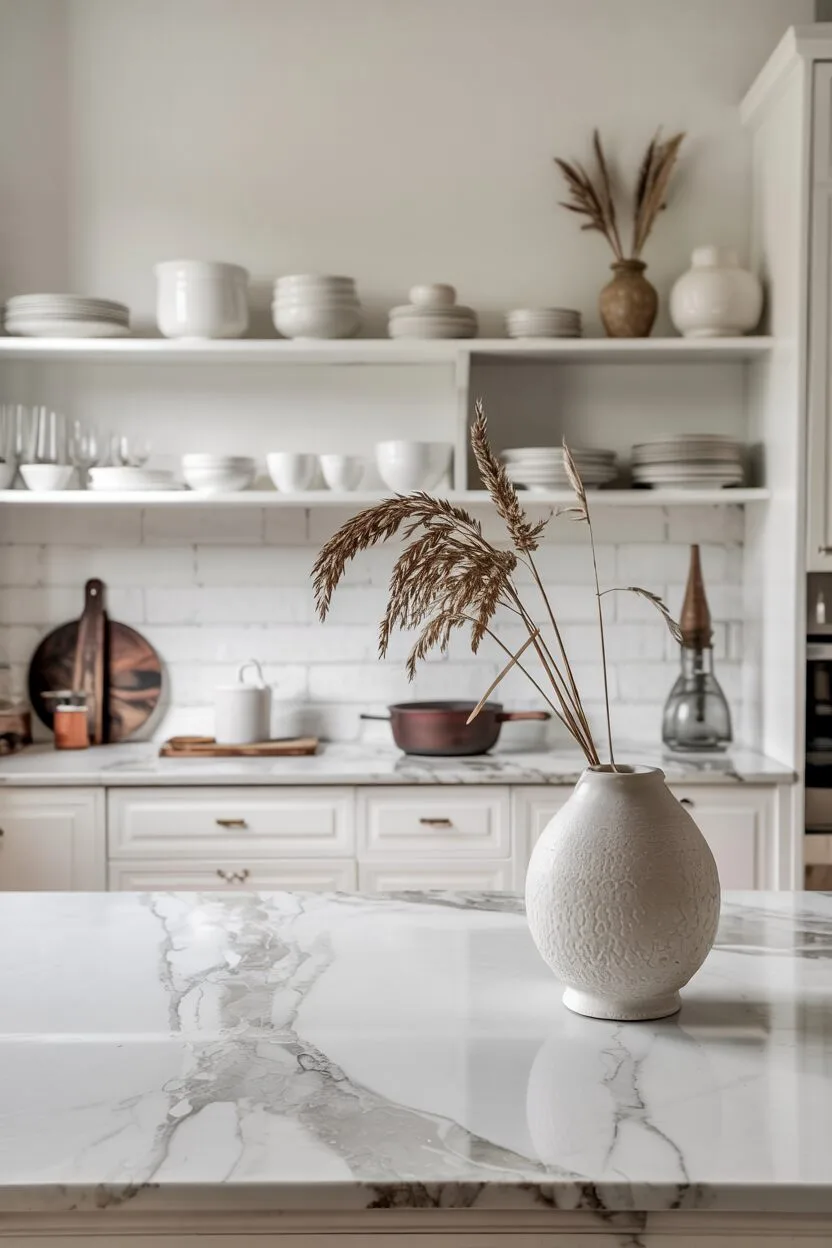
These materials complement wood and textiles, enhancing the natural, grounded feel of the space.
Illumination: The Vital Role of Light
Harnessing Daylight
Scandinavian interiors are renowned for their bright, airy ambiance, achieved by maximizing natural light.
Window treatments are minimal or absent, allowing sunlight to flood interiors.
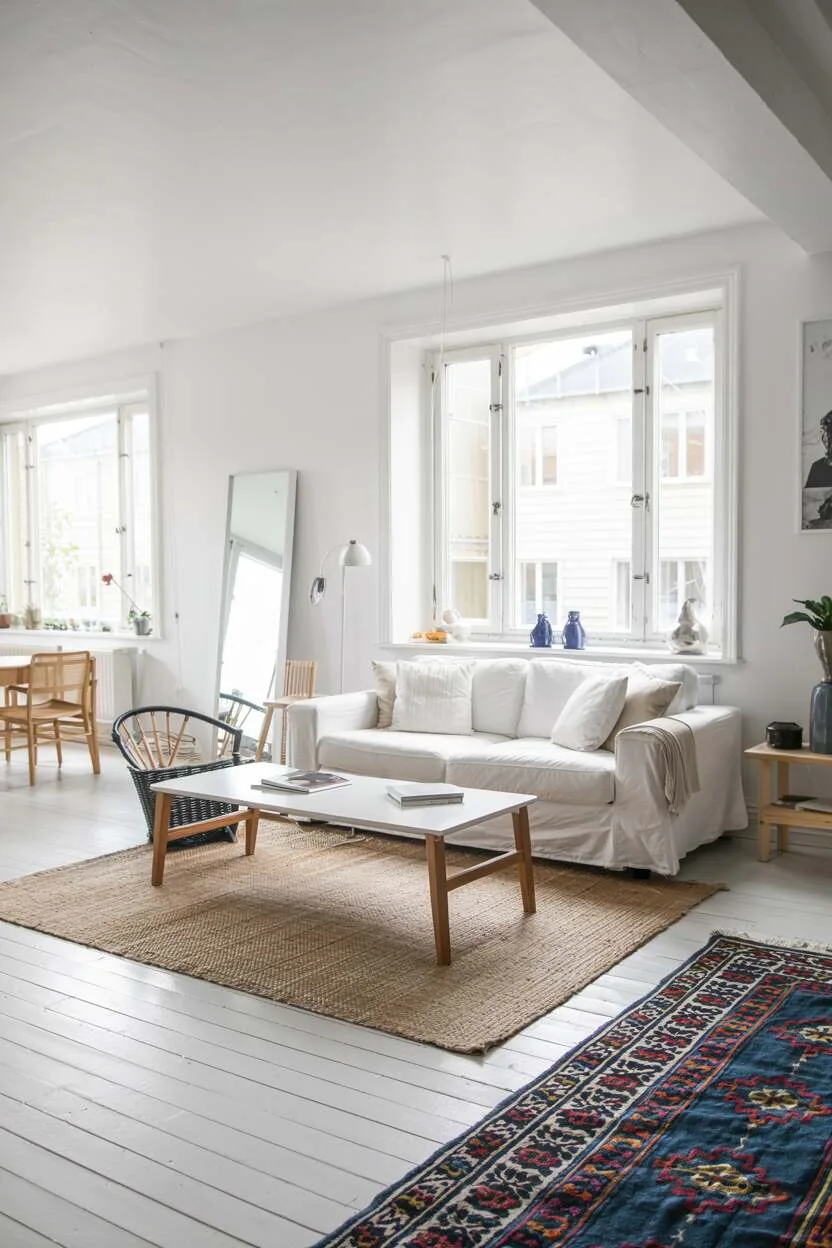
This design choice is a practical adaptation to the long, dark winters, enhancing mood and well-being.
Artful Lighting Fixtures
Lighting fixtures in Scandinavian homes serve both functional and aesthetic roles.
Clean-lined pendant lamps, floor lamps, and table lamps create warm, inviting pools of light rather than harsh overhead brightness.
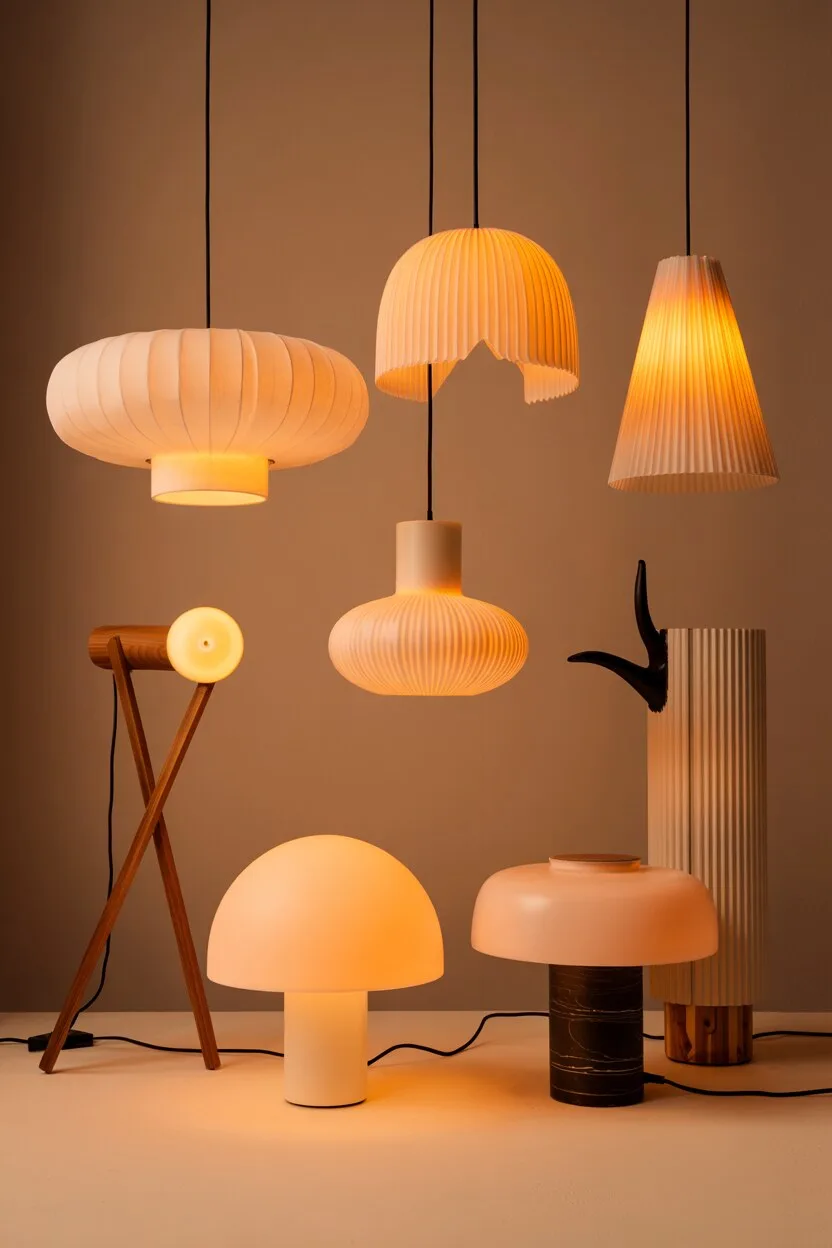
These fixtures often double as sculptural art pieces, embodying the Nordic ideal that everyday objects should be both beautiful and practical.
Incorporating Greenery: Nature’s Touch Indoors
Enhancing Spaces with Plants
Houseplants play a vital role in Scandinavian interiors, reinforcing the connection to nature and adding life to neutral palettes.
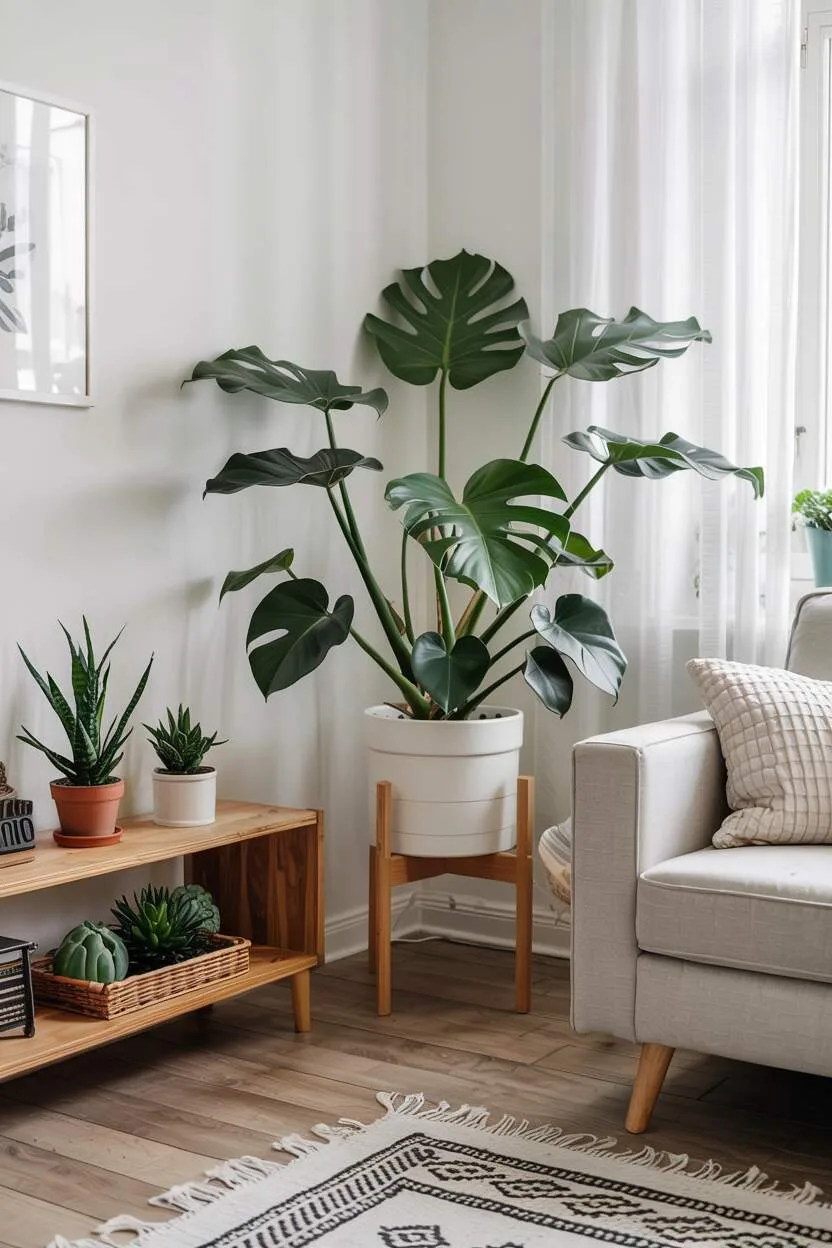
Plants contribute to a biophilic environment, boosting mental health and vitality, especially during the darker months when outdoor time is limited.
Preferred Plant Varieties
Nordic interiors often feature plants with soft gray-green foliage or striking forms.
Popular choices include the bold Monstera Deliciosa, the sculptural Fiddle Leaf Fig (Ficus Lyrata), and low-maintenance succulents and air plants that complement minimalist decor.
Understanding Hygge: The Heart of Nordic Comfort
What is Hygge?
Integral to Scandinavian living is the concept of “hygge” (pronounced hoo-ga), a Danish term embodying coziness, contentment, and the joy found in simple pleasures.
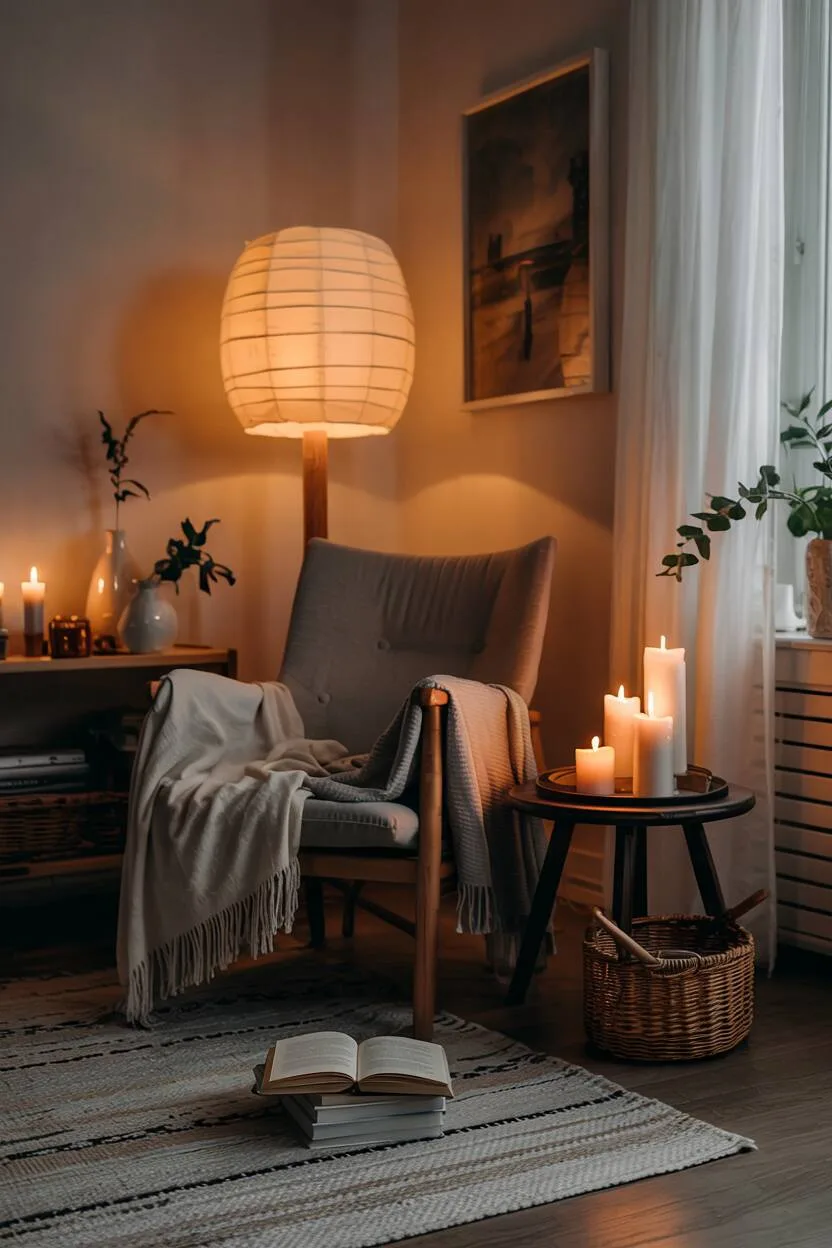
Hygge encourages slowing down, embracing warmth, and fostering connection during the long, dark winters.
Designing for Hygge
Creating hygge involves layering soft fabrics, using warm, ambient lighting (especially candles), arranging furniture to promote social interaction, and minimizing distractions.
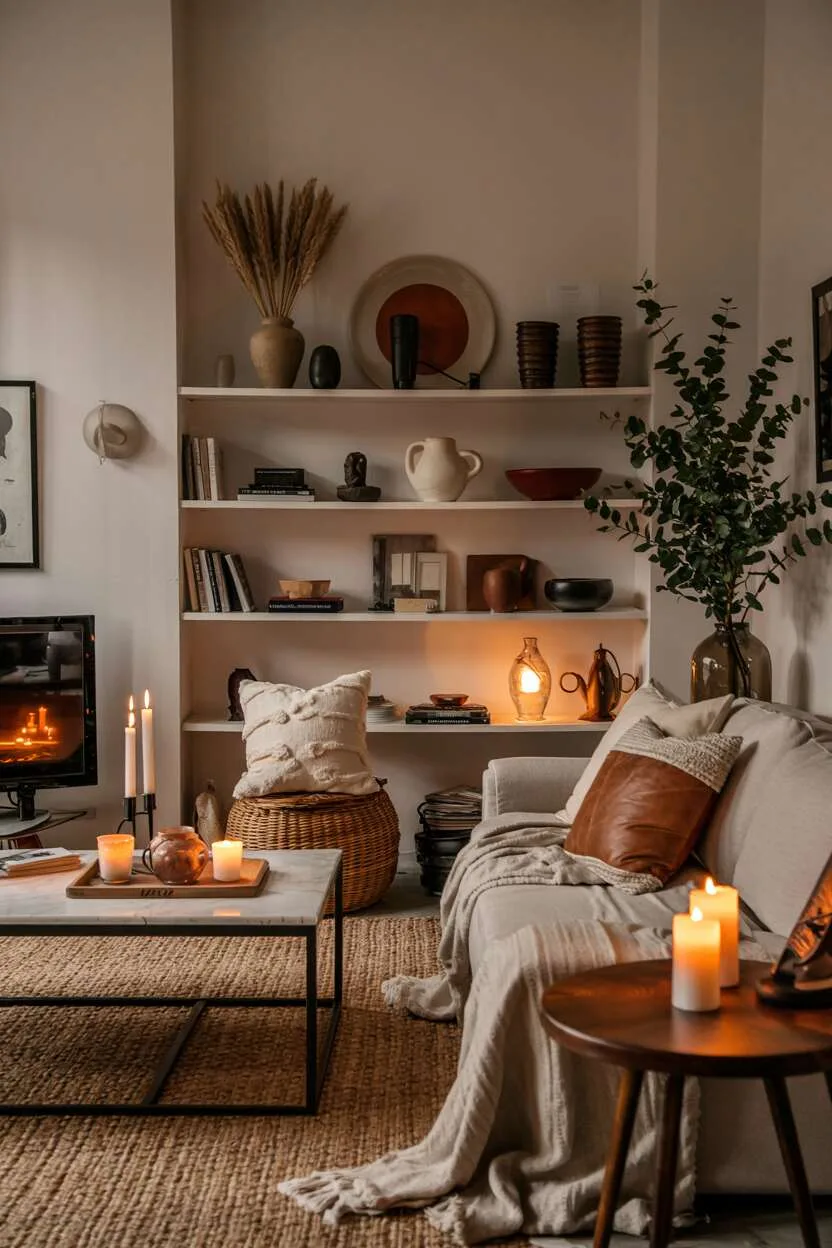
This approach softens the minimalist framework with essential warmth and intimacy.
Contemporary Scandinavian Design: Trends and Adaptations
Modern Interpretations
While rooted in tradition, Scandinavian design today embraces more personal expression, incorporating richer colors, patterns, and global influences.
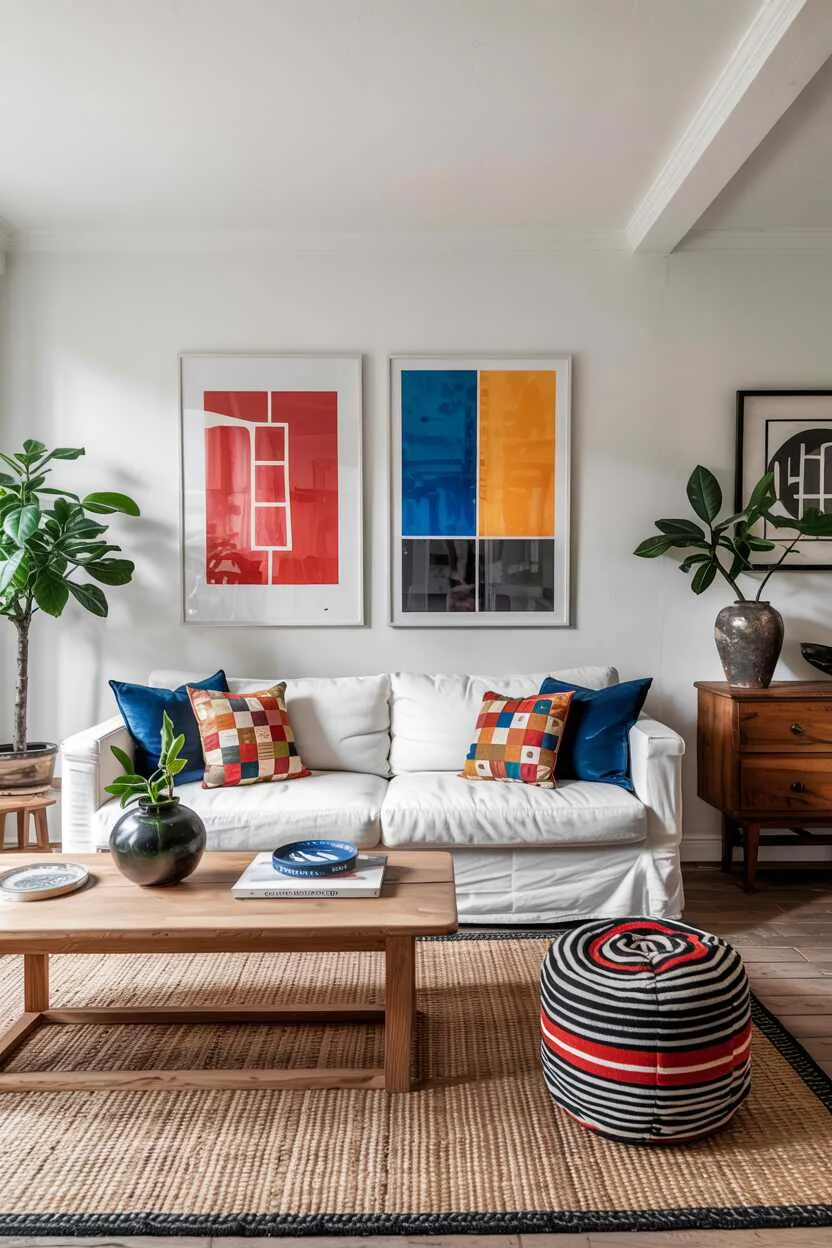
This evolution reflects a dynamic exchange of ideas and the style’s adaptability to contemporary lifestyles.
Blending Styles: The Rise of Japandi
Hybrid styles like Japandi, which fuses Japanese minimalism with Scandinavian warmth, have surged in popularity.
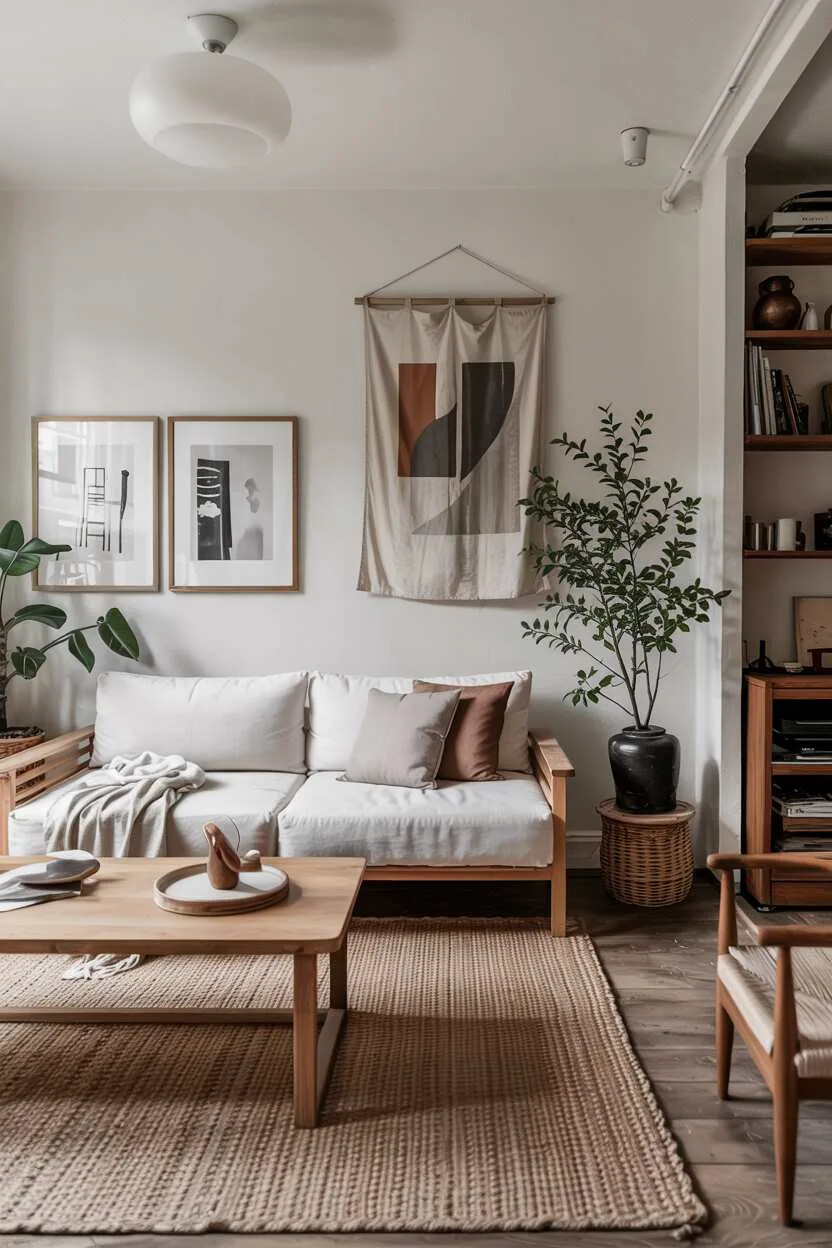
Such blends maintain Nordic principles while introducing new textures, asymmetry, and cultural elements.
Eco-Conscious Design
Environmental responsibility aligns naturally with Scandinavian values of quality and longevity.
Increasingly, Nordic interiors feature sustainable materials, energy-efficient lighting, and vintage or upcycled furnishings.
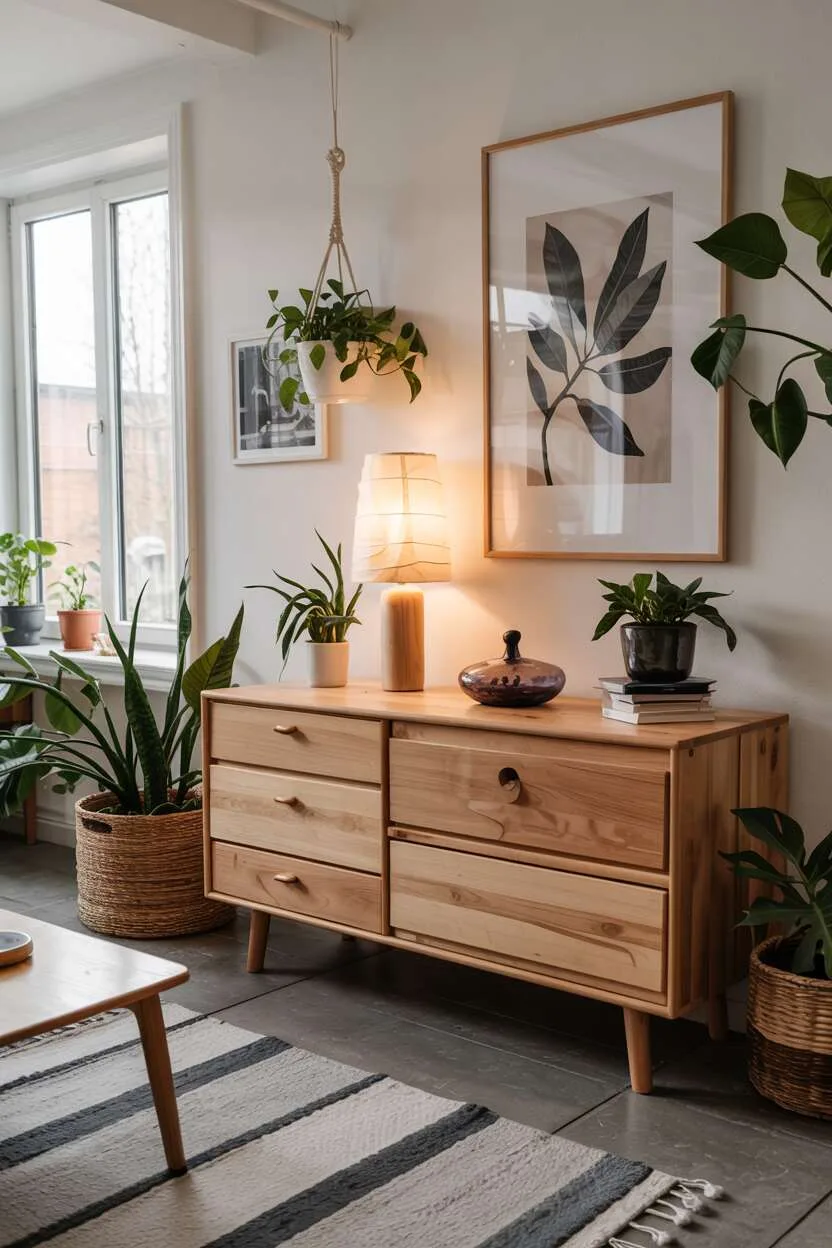
This focus on sustainability honors the original ethos of creating meaningful, enduring spaces.
Visual Inspirations: Diverse Scandinavian Styles
Refined Minimalism
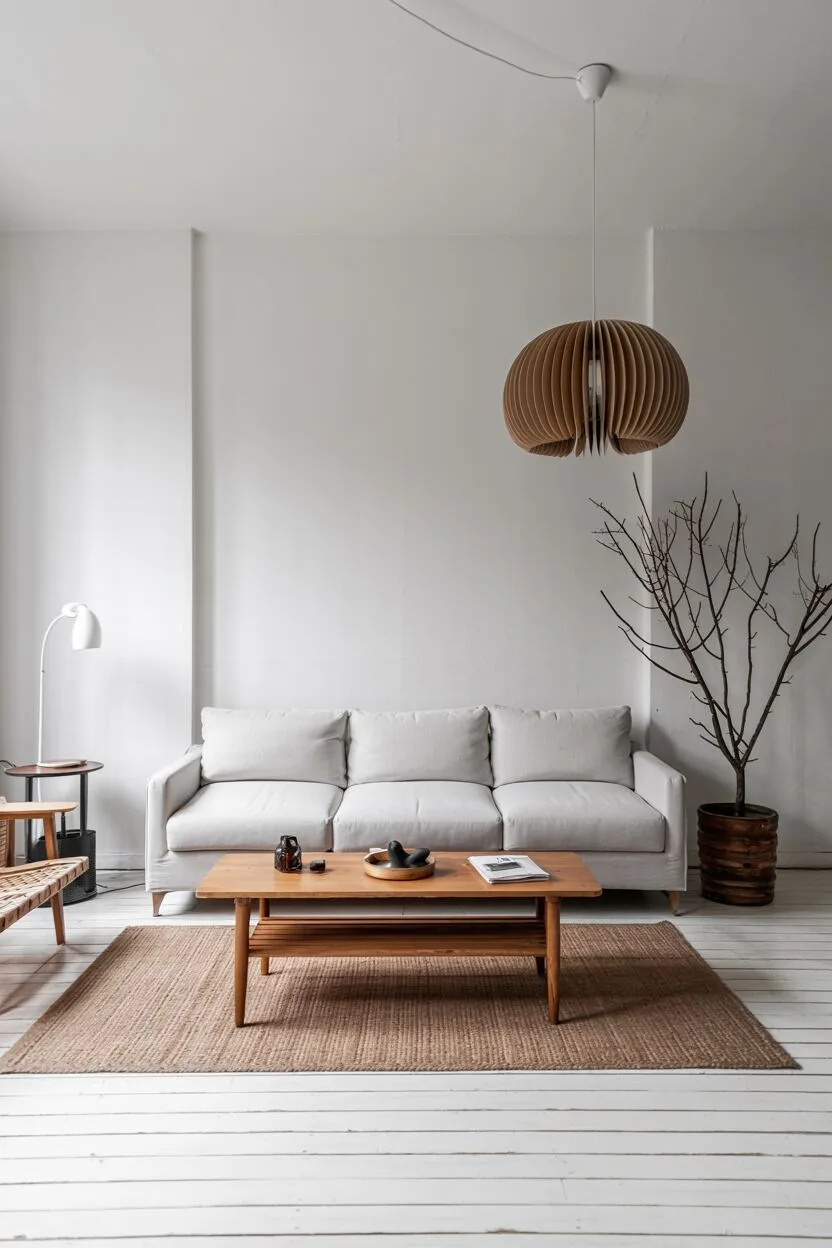
This style exemplifies the essence of Scandinavian minimalism-carefully curated, harmonious, and warm despite its simplicity.
Rustic Nordic Charm
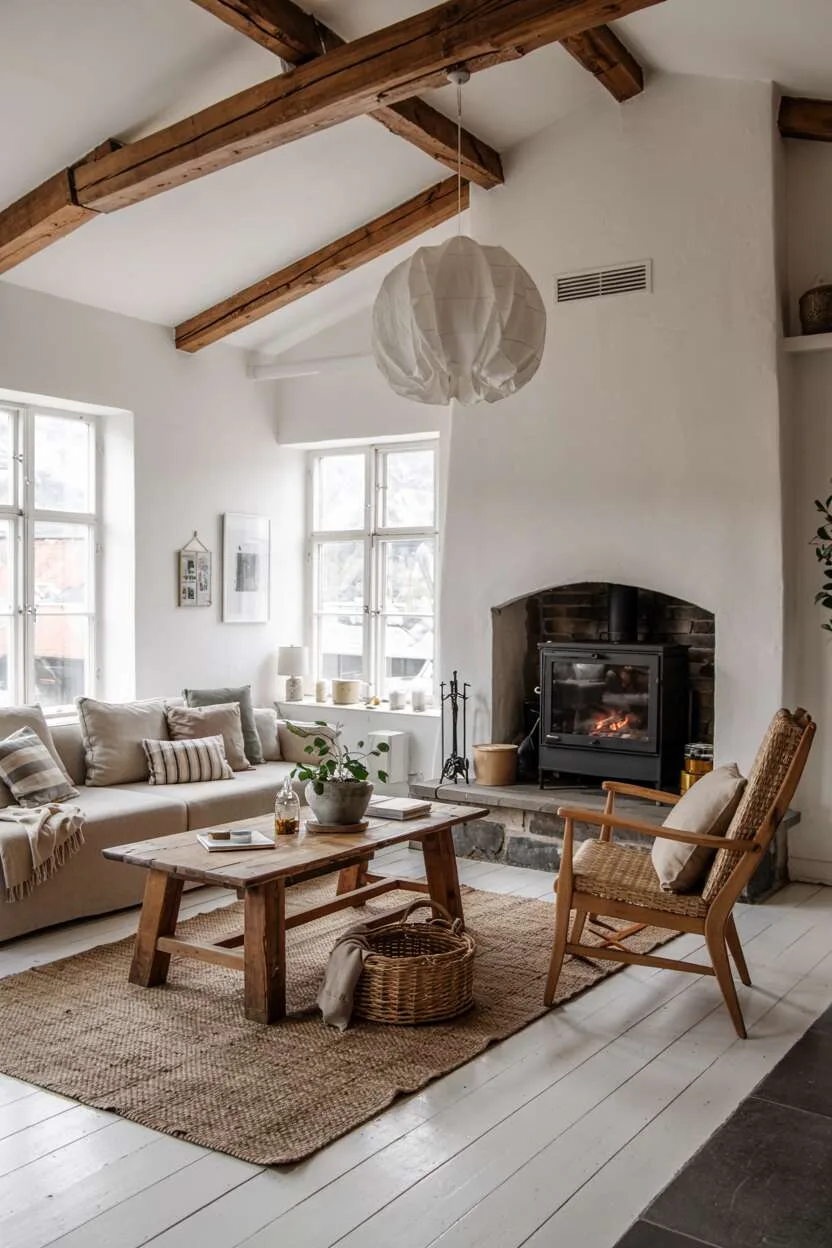
Incorporating traditional craftsmanship and natural materials, this approach feels authentic and grounded while preserving Nordic brightness.
Colorful Nordic Accents
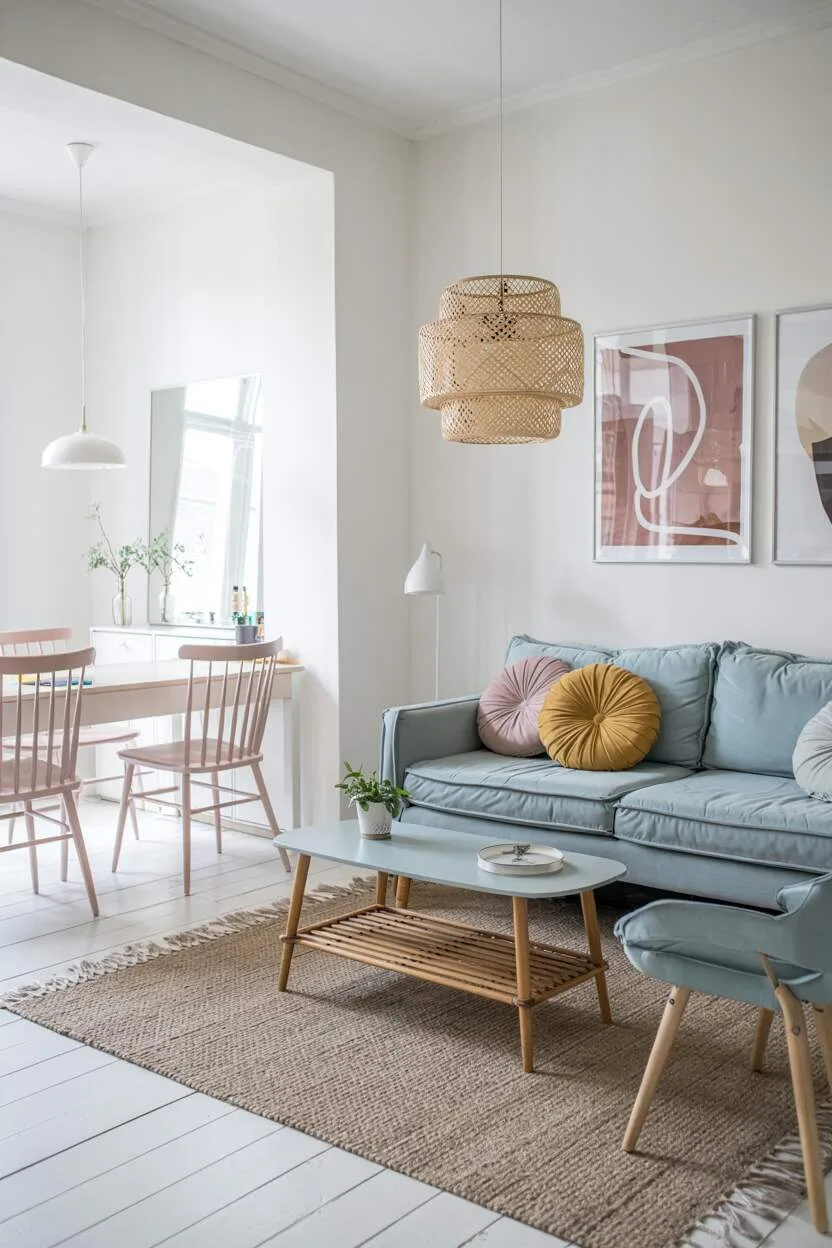
This variation introduces gentle colors to add warmth and personality while maintaining the style’s serene balance.
Urban Scandinavian Living
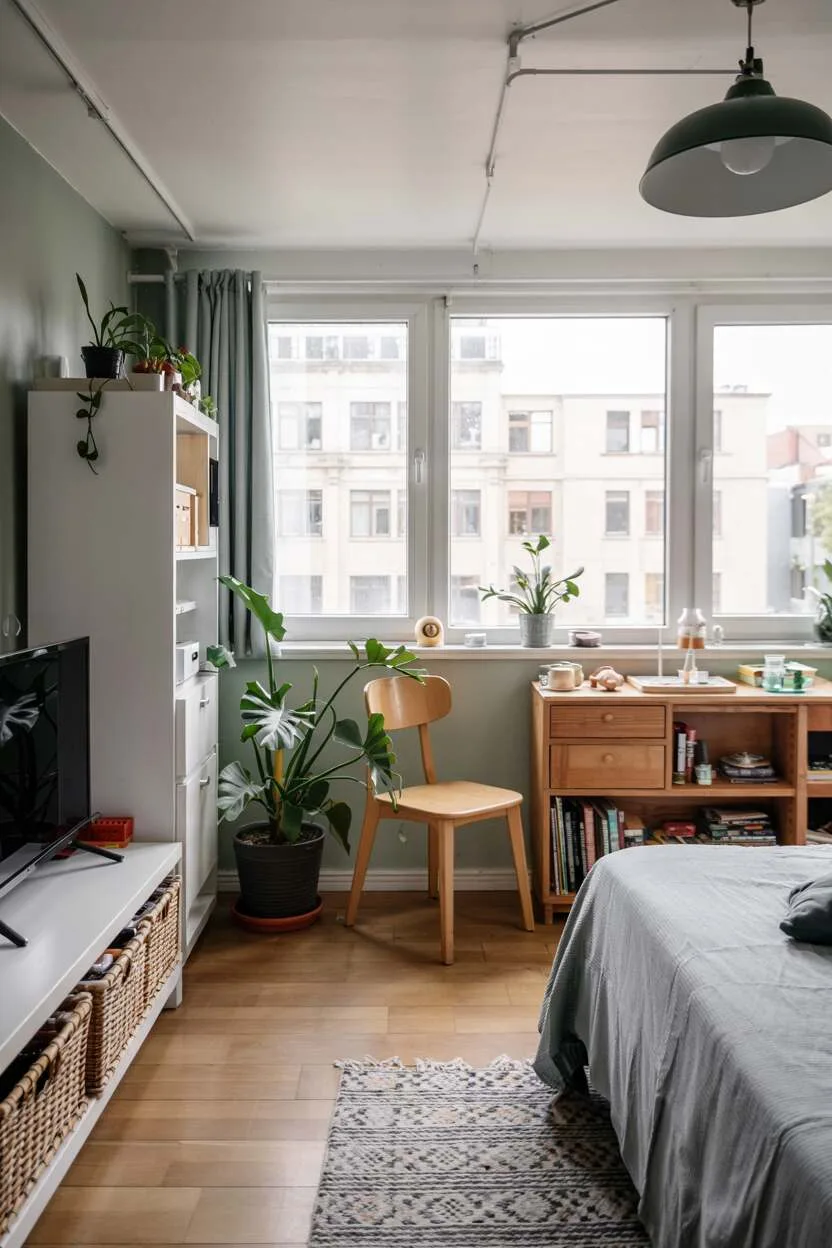
Adapting Nordic principles to smaller urban spaces, this style maximizes functionality and light, proving Scandinavian design’s versatility.
Coastal Nordic Vibes
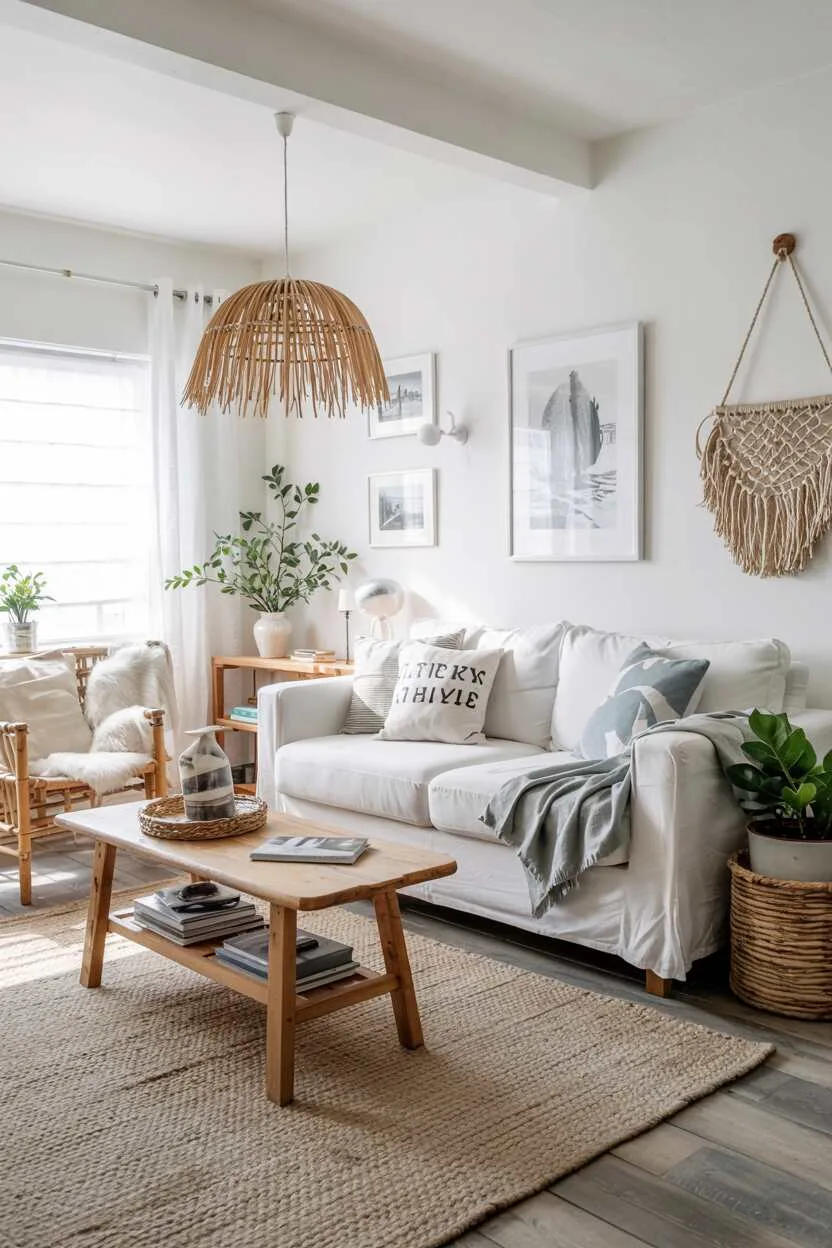
This style merges Nordic design with coastal influences, using soft blues, sandy neutrals, and natural materials to evoke a relaxed, water-inspired atmosphere.
How to Infuse Your Home with Scandinavian Style
Simple Steps to Begin
Adopting Scandinavian design doesn’t require a full overhaul.
Start by painting walls in white or soft neutrals and choosing pale flooring to establish a bright, open base.
Declutter to embrace minimalism and incorporate natural materials like wood and linen throughout your space.
Affordable Ways to Achieve Nordic Elegance
The Scandinavian focus on quality over quantity makes it accessible on any budget.
Invest in a few well-crafted pieces made from natural materials rather than many inexpensive items.
Consider exploring secondhand or vintage markets for authentic finds that align with Nordic principles.
For budget-friendly options, IKEA offers a wide range of Scandinavian-inspired furniture and decor-explore their collection here.
Final Thoughts: The Enduring Appeal of Scandinavian Design
Far from a fleeting trend, Scandinavian interior design represents a lasting philosophy that enhances life through simplicity, functionality, and natural beauty.
Its global popularity endures because it perfectly balances minimalism with warmth, modernity with nature.
By embracing its core values-simplicity, practicality, nature connection, and hygge-inspired comfort-you can create spaces that nurture intentional, joyful living.
In an increasingly complex world, the calm, natural aesthetic of Nordic design offers a refreshing sanctuary focused on light, comfort, quality, and meaningful connection.
Whether you integrate a few elements or fully immerse yourself in the Scandinavian approach, this design philosophy provides timeless guidance for crafting homes that truly support well-being.
Discover more Scandinavian-inspired home essentials and decor ideas on Amazon here.
