
Japandi Design: The Fusion of Japanese Simplicity and Scandinavian Coziness
Have you ever stepped into a room that immediately instills a sense of peace, order, and warmth? This serene ambiance is the hallmark of Japandi design, a harmonious blend of two distinct yet complementary aesthetics.
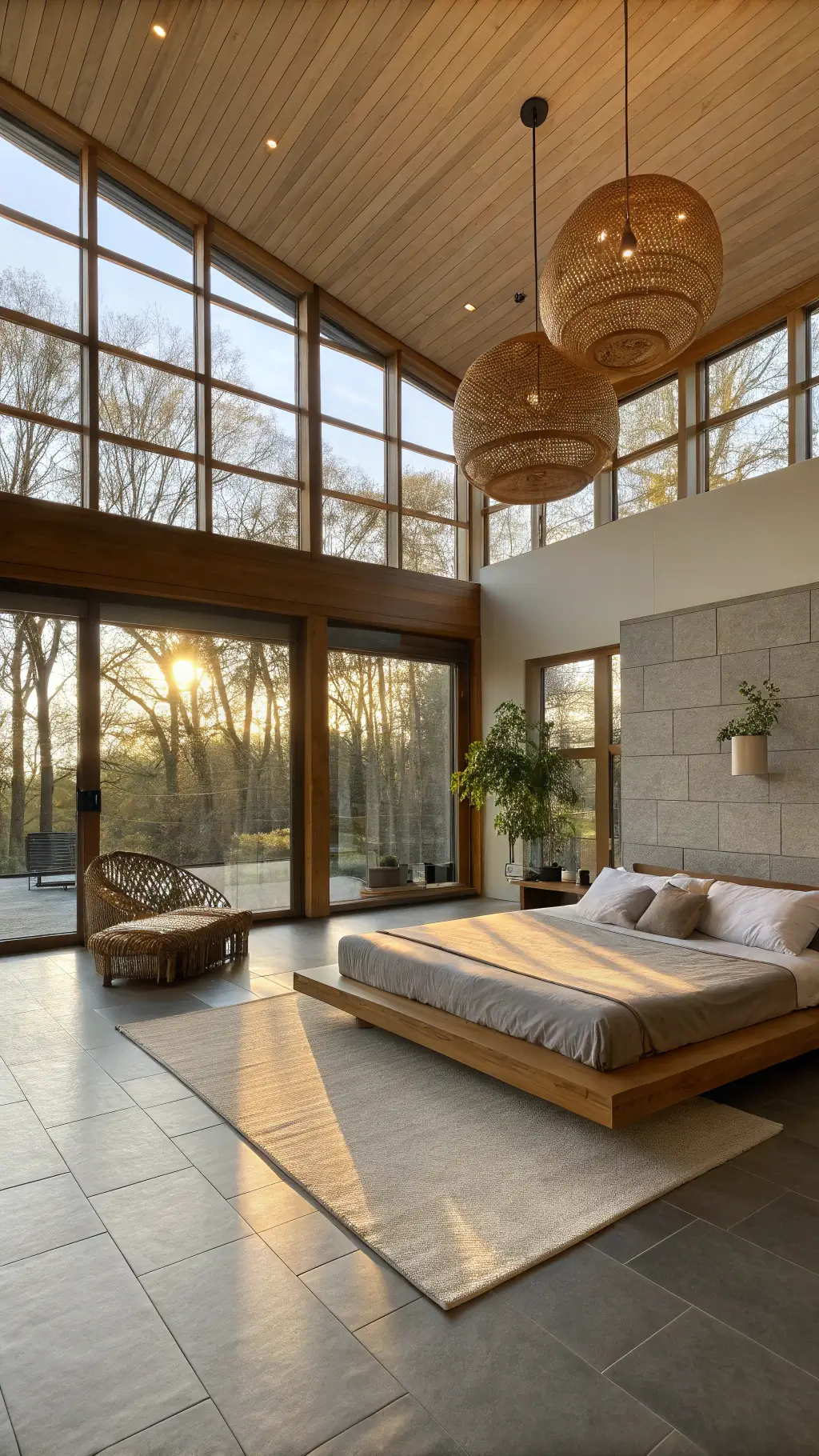
Understanding Japandi: A Dialogue Between Two Cultures
Japandi is more than a mere interior style; it represents a thoughtful synthesis of Japanese and Scandinavian design philosophies. Both traditions emphasize simplicity, practicality, and a deep appreciation for nature’s raw beauty.
Fundamental Ideals Behind Japandi
- Adopt minimalism that feels inviting rather than stark
- Focus on purposeful design over ornamental excess
- Utilize natural, tactile materials to foster connection
- Design spaces that promote calmness and mental clarity
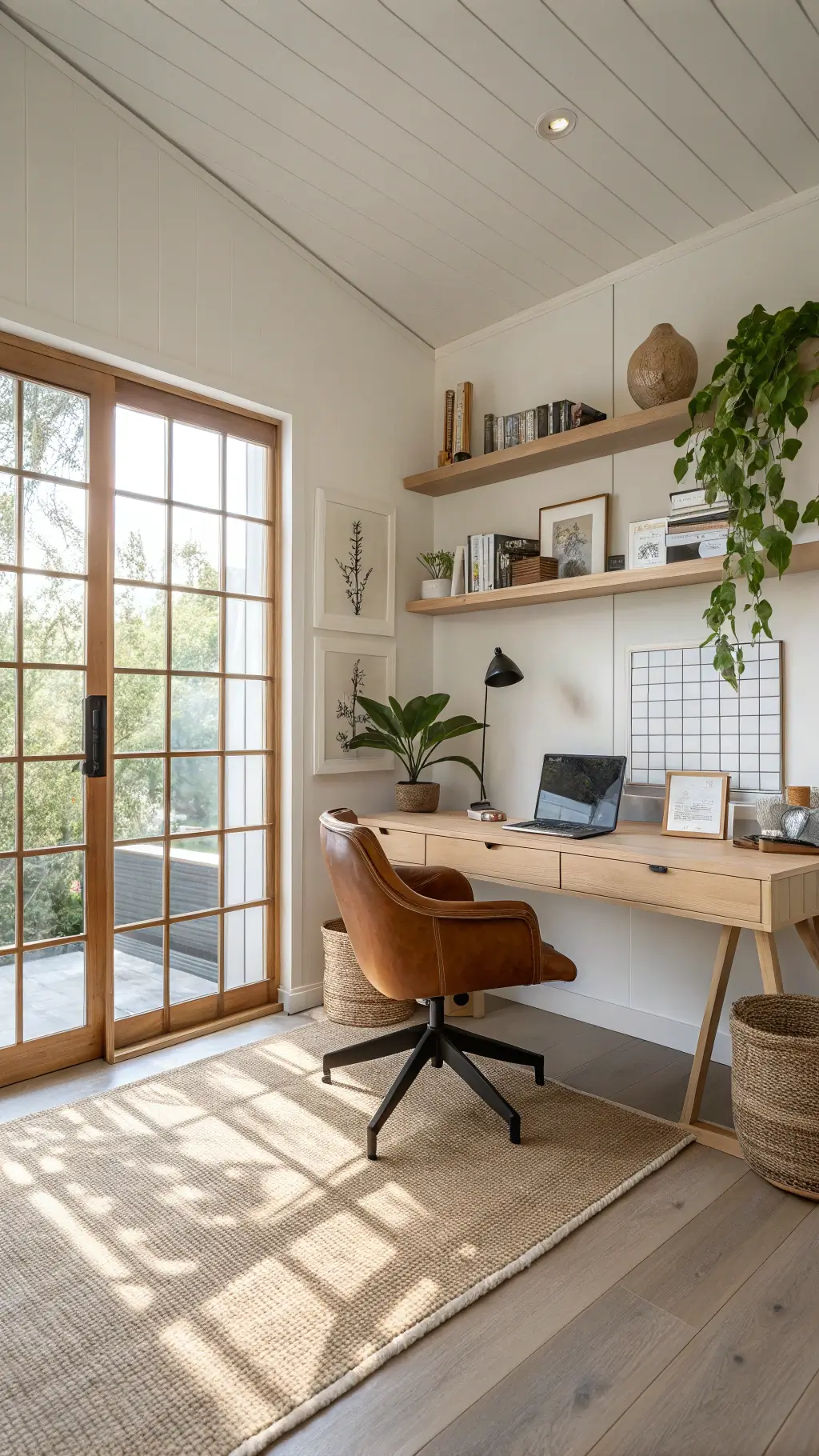
The Aesthetic Vocabulary of Japandi
Color Schemes: Subtle, Natural, and Grounding
Imagine entering a space where:
- Soft taupes and muted browns blend effortlessly
- Neutral shades evoke understated elegance
- Every hue is carefully chosen to soothe and balance
Material Choices: The Soul of Japandi Interiors
Commonly Used Elements Include:
- Raw oak wood
- Light-hued bamboo
- Natural stone surfaces
- Cozy, textured linens
- Matte-finished ceramics
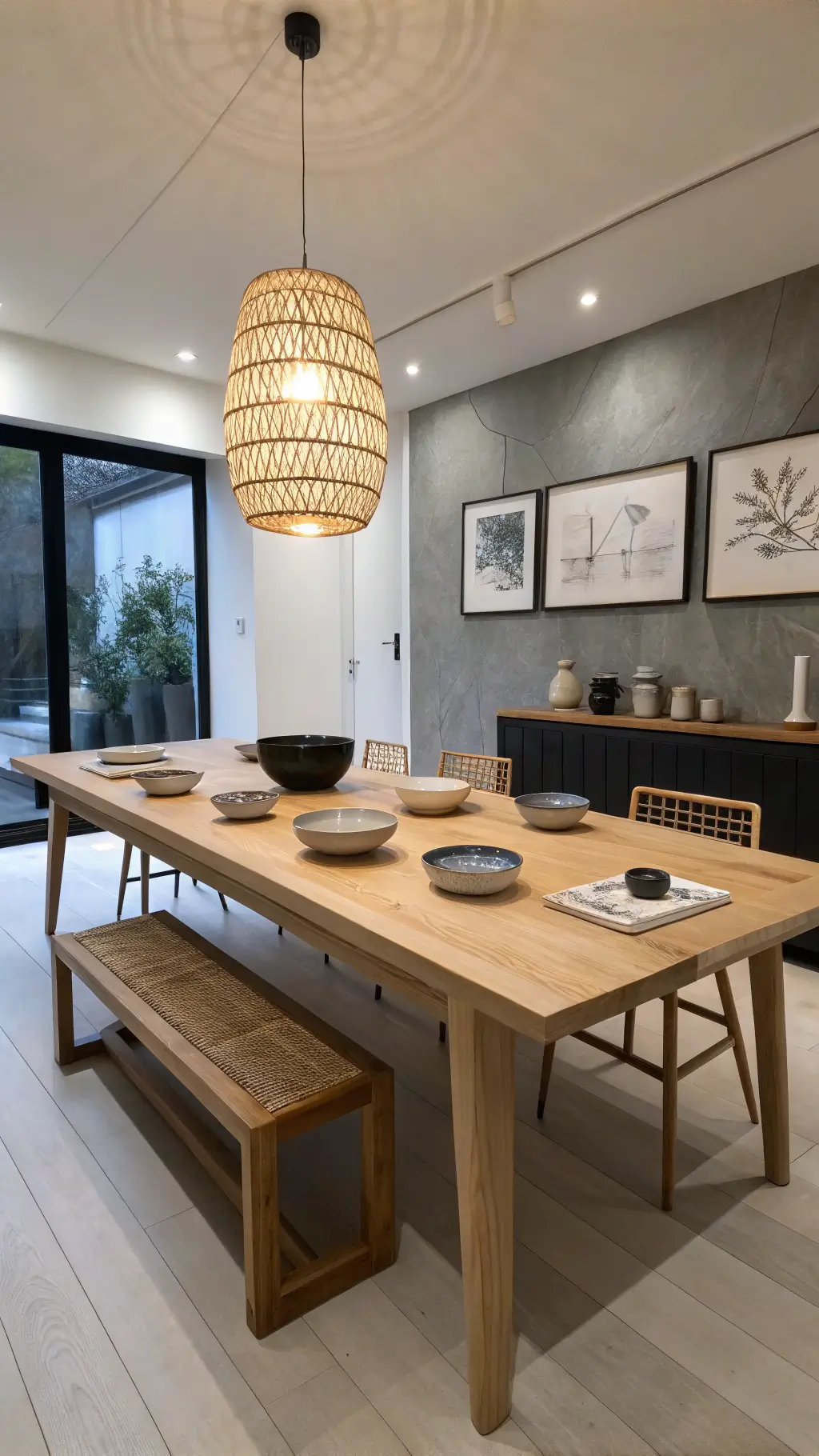
Architectural Elements Defining Japandi Spaces
Spatial Design: Openness and Flow
- Layouts that emphasize openness and fluidity
- Generous natural lighting to enhance mood
- Blurring the line between indoors and outdoors
- Minimal visual distractions for clarity
- Thoughtful arrangement of furnishings for balance
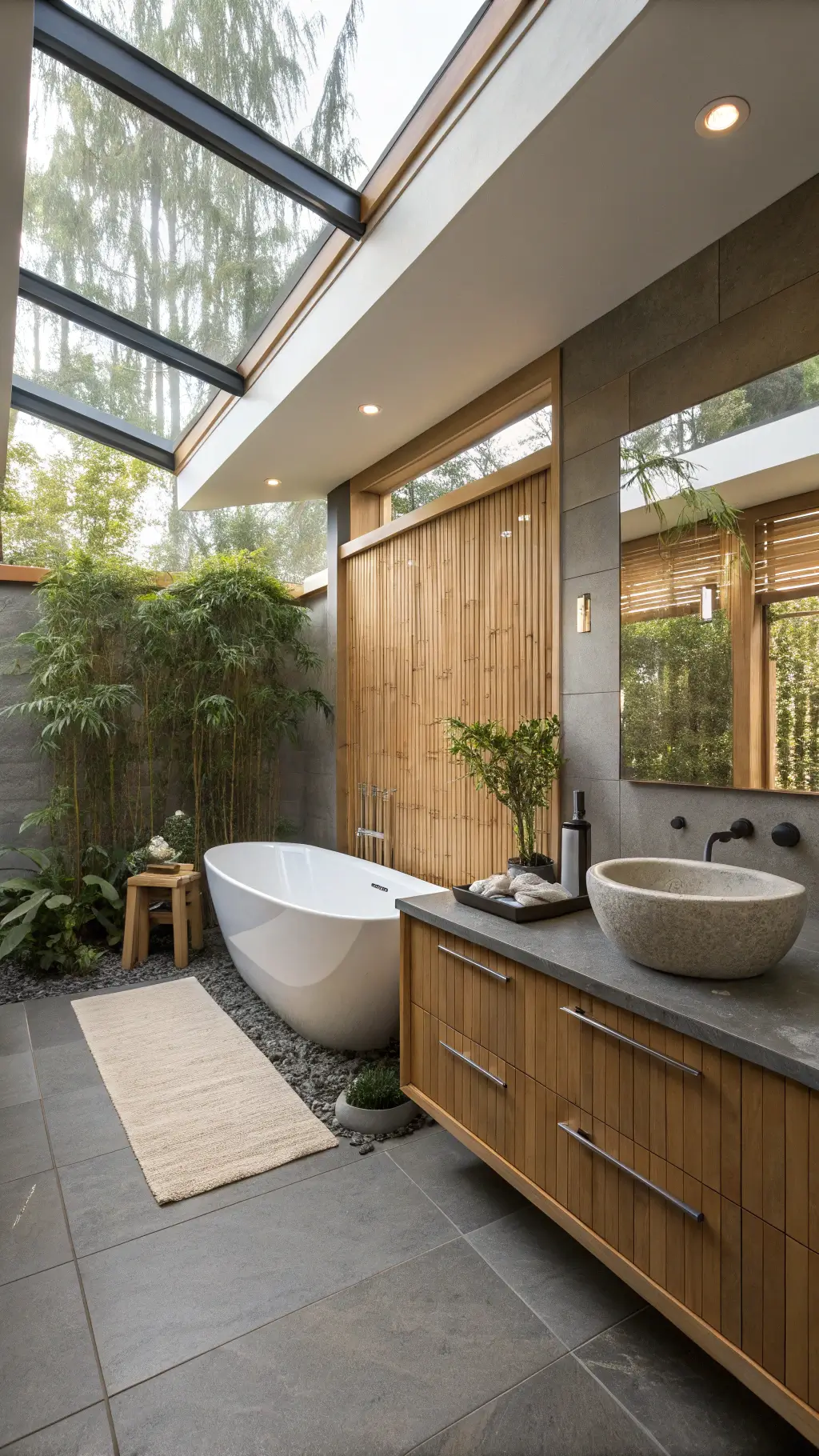
Windows: Bridging Interior and Nature
Large windows serve as more than just architectural features; they act as gateways that invite sunlight, dissolve the boundaries between inside and outside, and cultivate a spacious, tranquil atmosphere.
How to Bring Japandi Style Into Your Home
Practical Tips for a Japandi Makeover
- Eliminate clutter to create breathing room
- Opt for furniture with sleek, simple silhouettes
- Incorporate textiles made from natural fibers
- Introduce greenery thoughtfully to enliven spaces
- Use wood accents generously for warmth
- Choose subtle, meaningful artwork
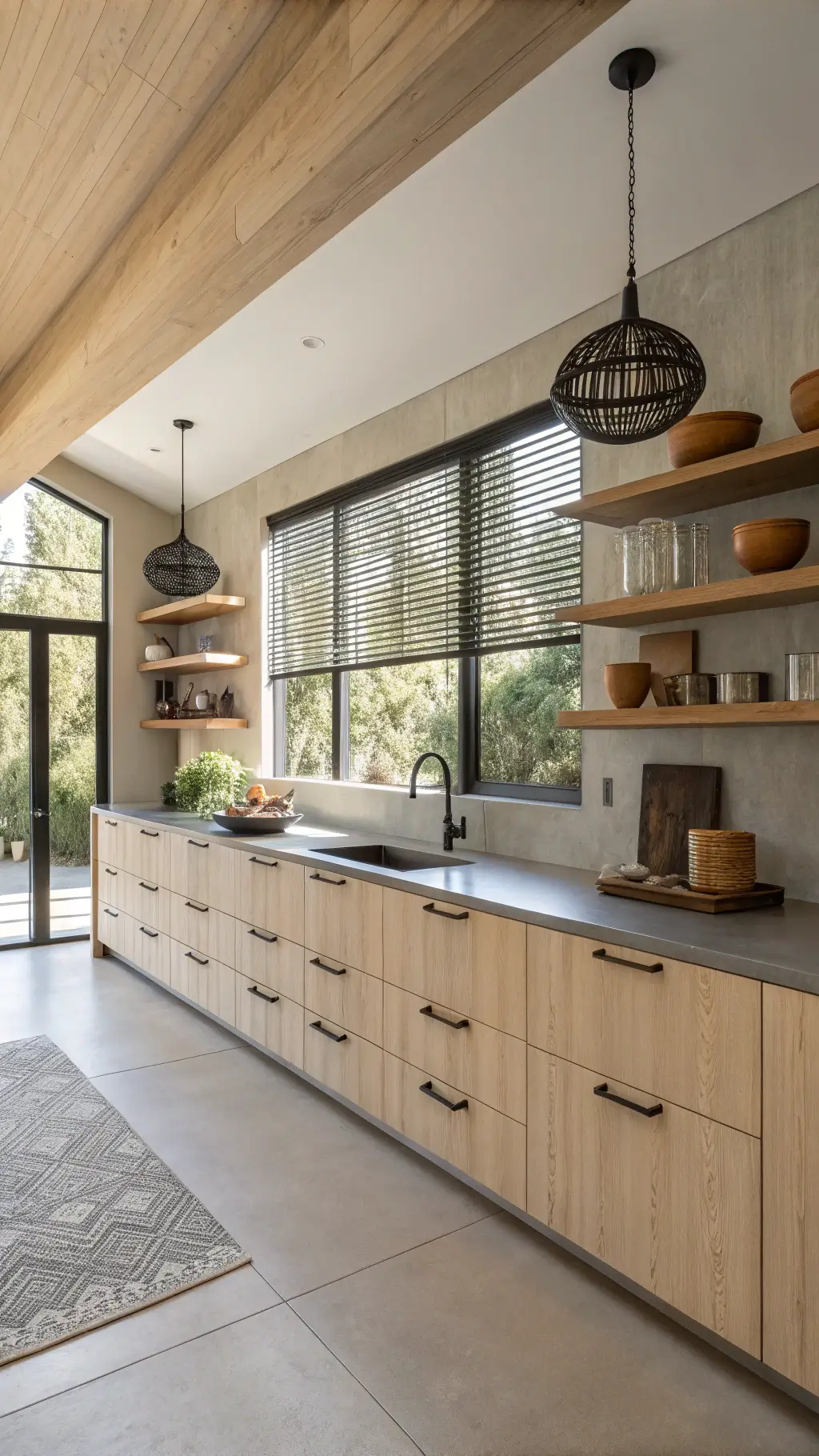
Explore natural fiber textiles and wooden furniture to start your Japandi transformation.
The Cultural Foundations of Japandi
Japandi is rooted in two rich traditions:
- Japanese wabi-sabi – the art of finding beauty in imperfection and transience
- Scandinavian hygge – the pursuit of cozy, meaningful comfort
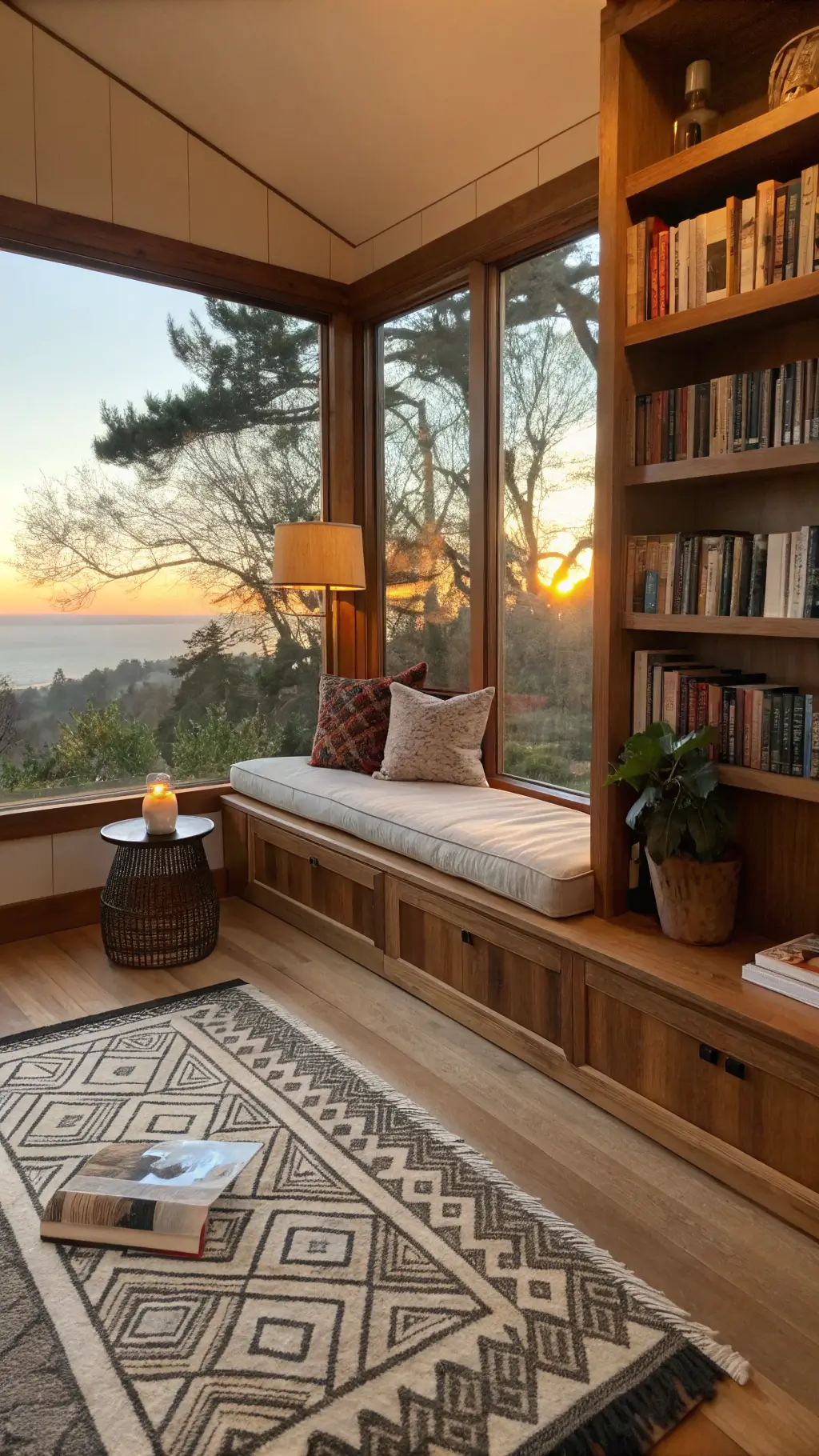
Japandi as a Way of Life
This design philosophy extends beyond aesthetics, embodying a mindful lifestyle that:
- Reduces anxiety by fostering organized, clutter-free environments
- Honors artisanal craftsmanship and quality
- Supports eco-friendly and sustainable choices
- Encourages living with intention and purpose
Who Benefits Most from Japandi?
Japandi appeals especially to:
- Those who appreciate minimalist living
- Individuals drawn to nature-inspired interiors
- People seeking peaceful, restorative homes
- Professionals desiring calm work-life balance spaces
- Advocates of sustainable design
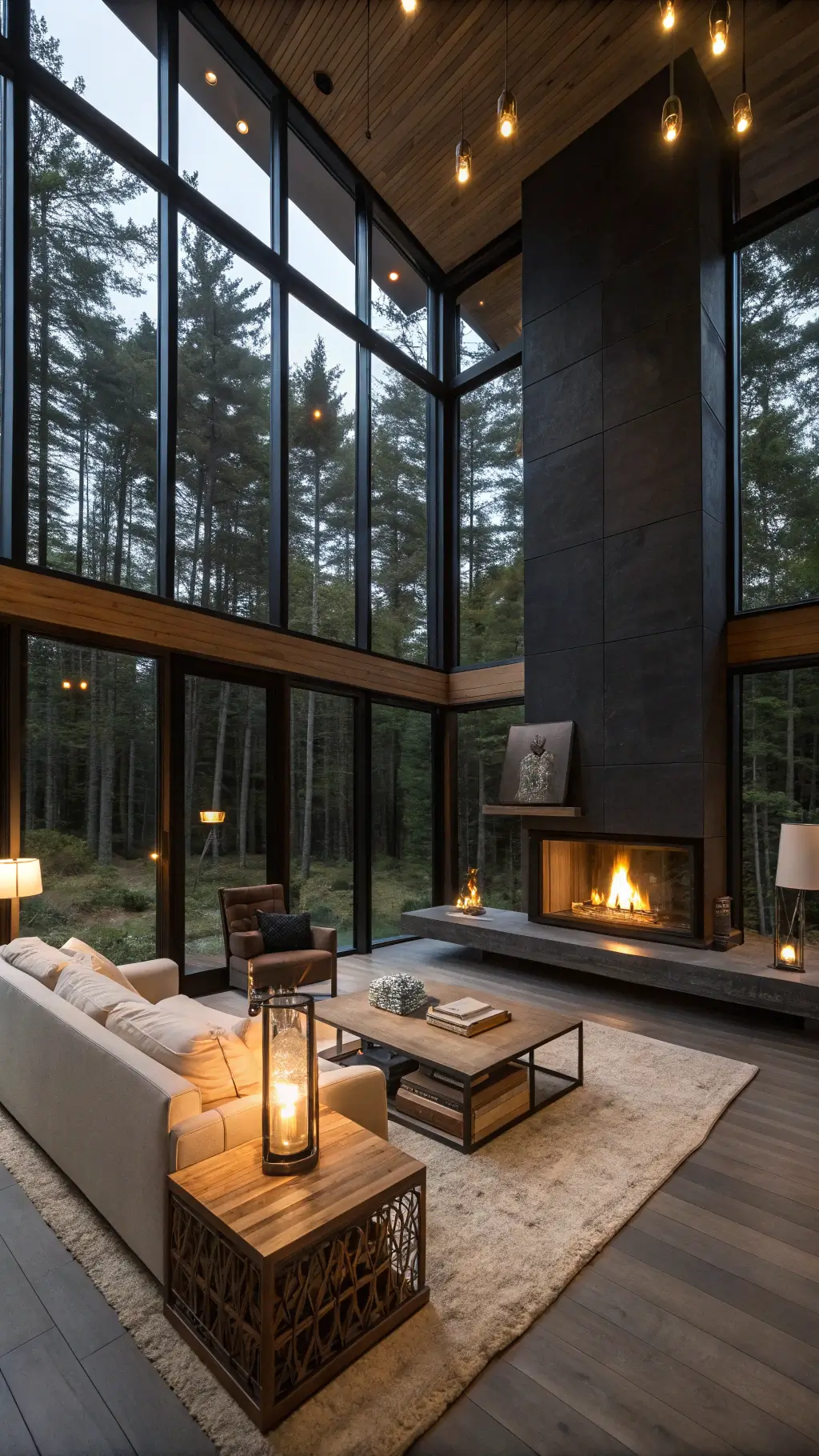
Dispelling Common Myths About Japandi
Misconception: Japandi interiors are cold and impersonal.
Truth: Japandi spaces are warm, inviting, and deeply reflective of personal taste.
Challenges to Watch Out For When Adopting Japandi
- Excessive minimalism that sacrifices comfort
- Choosing low-quality, disposable furnishings
- Neglecting personal preferences and coziness
- Overlooking unique character in favor of uniformity
Expert Recommendations for Japandi Success
- Prioritize durable, high-quality materials over quantity
- Select versatile furniture that serves multiple functions
- Ensure comfort remains a top priority
- Maintain a cohesive and consistent design narrative
Concluding Reflections
Japandi is more than a fleeting trend; it’s a subtle yet powerful expression of how we aspire to live-calmly, thoughtfully, and in harmony with nature. It invites us to create environments that nurture both our physical and emotional well-being.
Keep in mind: Your living space mirrors your inner self. Design it with intention and care.
