
What elements truly create a warm and inviting kitchen atmosphere today, especially in compact areas, while maintaining a modern and functional appeal? This guide explores five practical concepts I apply with clients and in my own home, focusing on layout, materials, and lighting that transform everyday cooking into a mindful ritual. Discover ideas for subtle enhancements, rustic finishes, and refined styling that feels sophisticated rather than cluttered, alongside space-saving solutions that preserve openness without losing coziness.
Creating a Warm and Inviting Kitchen Ambiance
My design process begins by establishing a comforting mood the moment you step inside: combining layered wood hues, matte surfaces, and gentle lighting that exudes warmth. I carefully plan sightlines and choose a neutral foundation-think oak, limestone, and soft off-white tones-allowing everyday items to double as decor. Rounded edges on countertops and hardware soften the visual impact, while dimmable lighting between 2700-3000K creates a soothing glow in the evenings. This blend achieves a contemporary yet welcoming feel, perfect for a serene and restorative kitchen environment.
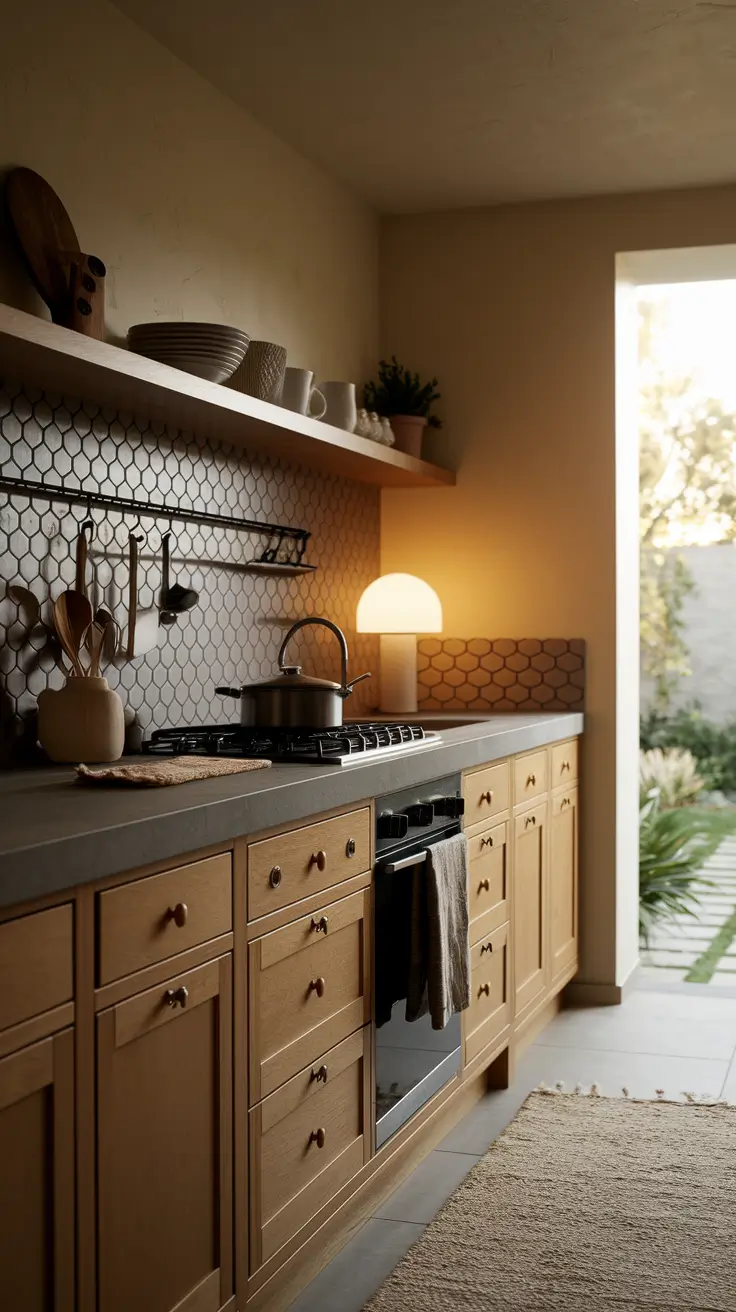
Structurally, I favor shaker-style or slim-framed slab cabinetry paired with honed quartz or soapstone countertops and a handcrafted backsplash for subtle texture. Functional touches like utensil rails, a wooden breadboard on the counter, and linen runners on hard surfaces add a lived-in charm rather than a staged look. A compact open-shelved island keeps favorite cookware within reach, complemented by a small rug in the prep area and a fabric flush-mount light shade to diffuse illumination, maintaining an aesthetic that’s both stylish and inviting.
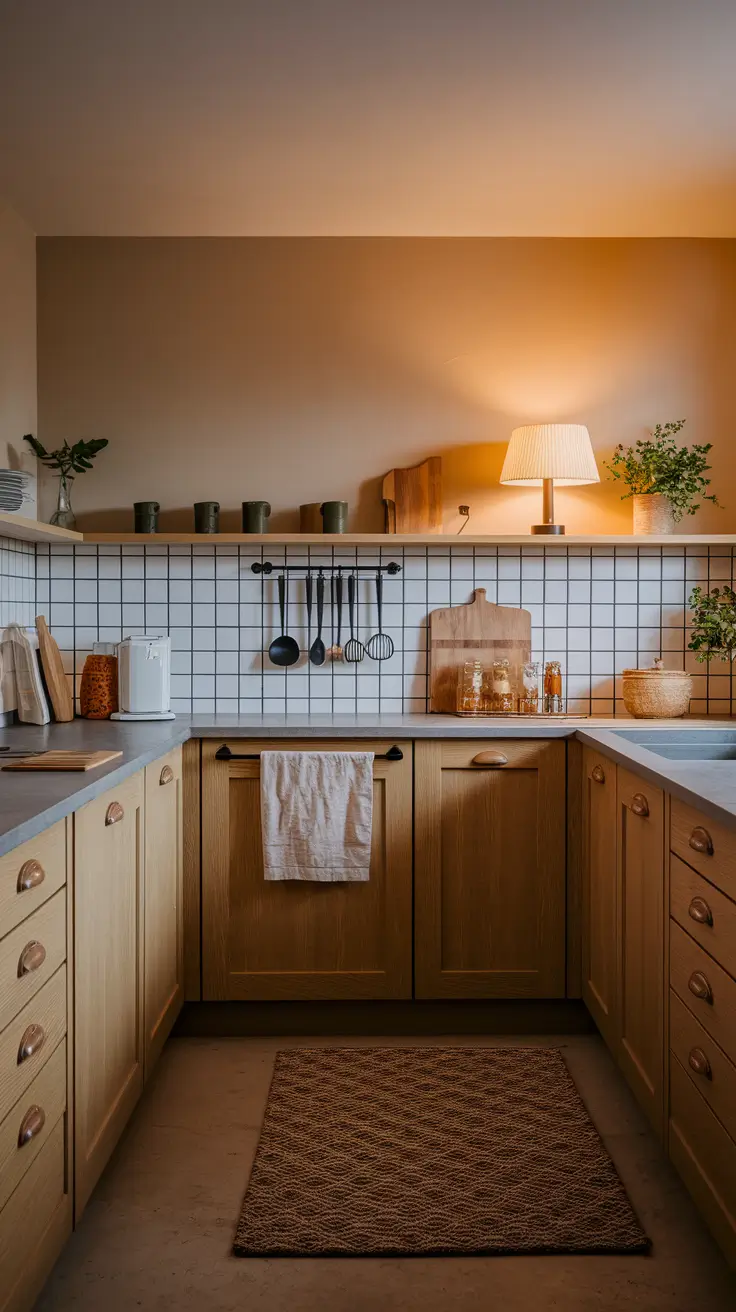
One of the most effective comfort boosters is layered lighting: ambient ceiling fixtures, under-cabinet task lights, and a table lamp placed on a console or shelf to add warmth during evening hours. Decorative accents are carefully curated-think a salt cellar, mortar and pestle, and a few lidded jars-to keep the space feeling intentional rather than cluttered. I advise seasonal decluttering to keep the kitchen feeling fresh and easier to maintain.
To engage more senses, I recommend adding a discreet essential oil diffuser near the sink with citrus and herbal aromas, alongside a small moisture-resistant speaker tucked away to play soft jazz. These sensory layers elevate a kitchen from merely pleasant to truly homely.
Optimizing Small Kitchens for Comfort and Efficiency
Designing cozy kitchens in limited spaces requires thoughtful choreography. I focus on a compact work triangle, use pocket or full overlay doors to break up visual monotony, and incorporate reflective surfaces like glossy tiles or satin nickel fixtures to amplify light. Shallow pantries, rail-mounted storage, and fold-down prep surfaces add versatility without bulk. Even in tight quarters, I ensure at least one clear stretch of countertop to reduce cooking stress.
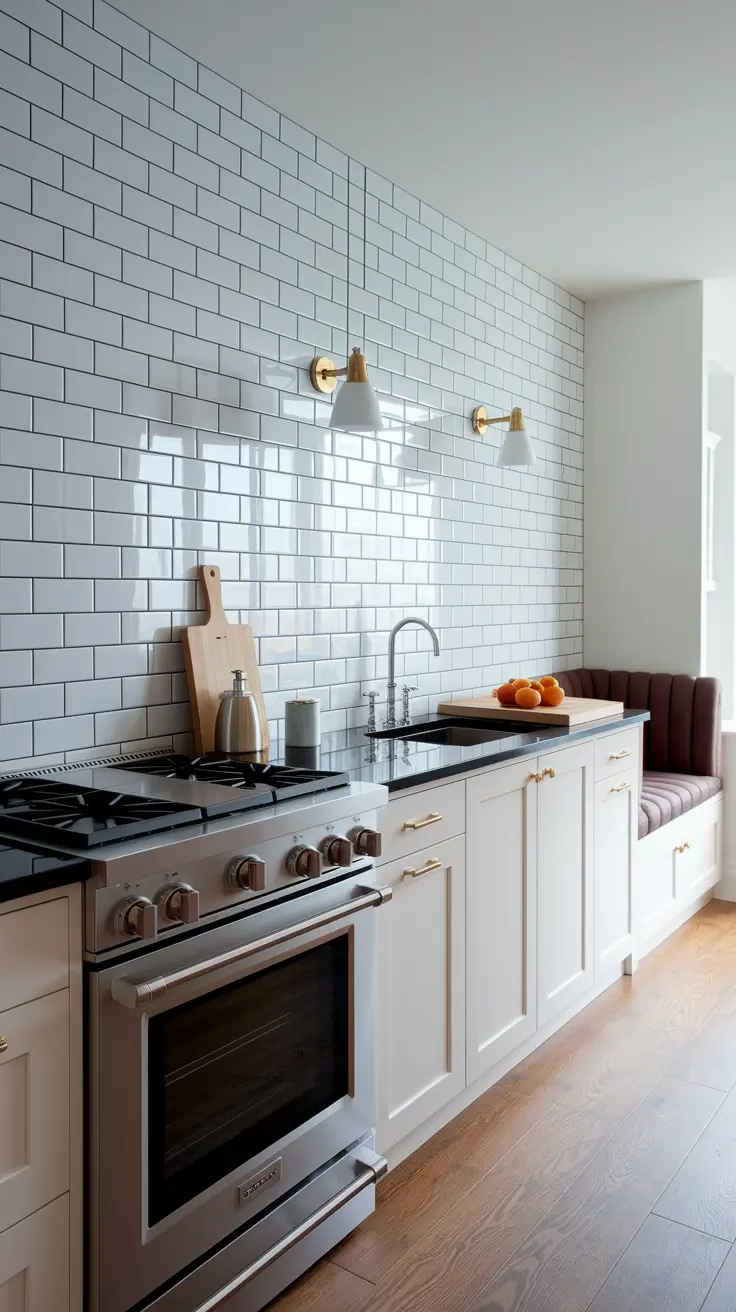
Appliance-wise, I lean towards 24-inch models, an induction cooktop for safety and speed, and a single large sink featuring an integrated colander ledge. A corner banquette creates a cozy breakfast nook inspired by inviting kitchen bench designs, with flip-top seating that conceals linens and small appliances. Narrow-profile sconces, mirrored toe-kicks to lighten cabinetry bases, and short-pile runners keep the floor warm yet easy to clean. The color scheme remains minimalist and soothing to allow the eye to rest.
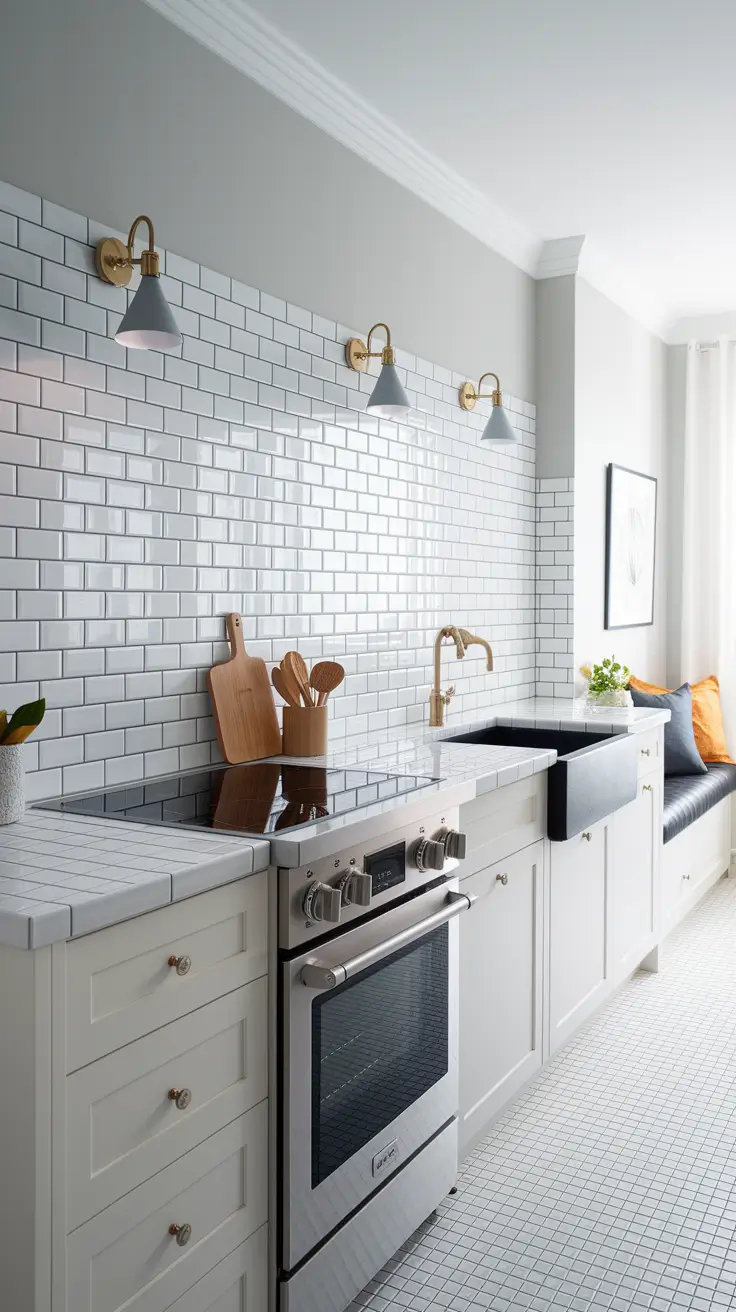
Space-saving hardware like groove-cut pulls or edge profiles save precious inches and add a tailored look. Magnetic knife racks and stackable canisters help keep drawers uncluttered. In areas with limited natural light, I recommend installing solar tubes or bright daylight LED task lighting near prep zones, complemented by warmer tones for evening ambiance.
To add vertical interest, narrow floor-to-ceiling shelves for cookbooks and a ledge for art prints inject personality without sacrificing depth. A framed textile on the wall can further warm the space.
Inviting Outdoor Kitchen Concepts for Social Gatherings
When designing outdoor kitchens, I treat the patio as an extension of the indoor living area rather than a separate entity. A weather-resistant cooking wall with a grill, side burner, and sink forms the core, while a lounge area nearby ensures the cook remains part of the conversation. Evening ambiance is set with pergolas adorned with string lights and dimmable lanterns. All-weather cushions and wool-blend outdoor rugs add tactile comfort. Rustic homes benefit from cedar and fieldstone finishes, while modern styles suit powder-coated aluminum for a sleek, architectural feel.
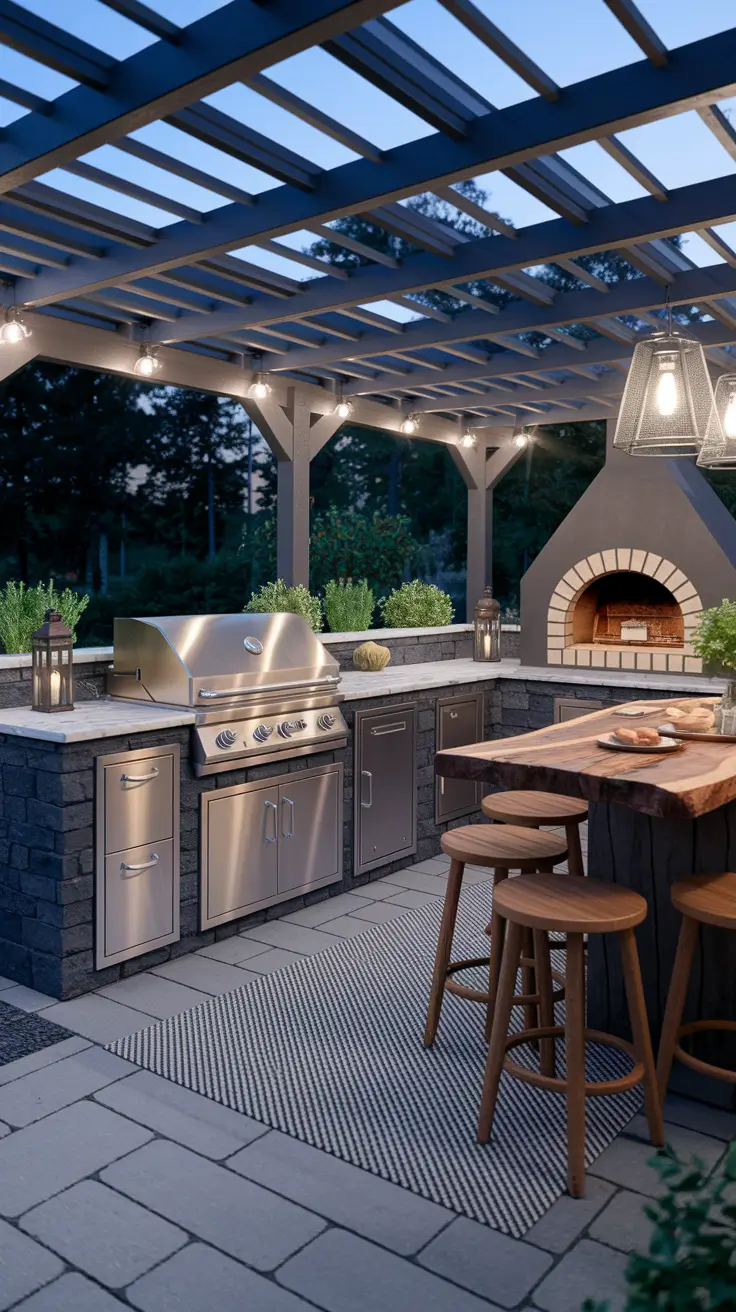
Marine-grade cabinetry, built-in grills with lid thermometers, and versatile cooking options like pizza ovens or planchas enhance functionality. Beverage drawers, ice wells, and pull-out trash bins streamline service. I favor live-edge bar tops paired with counter stools, antique brass lanterns, and planters filled with fragrant herbs like rosemary and thyme. Infrared heaters and ceiling fans extend usability across seasons, while louvered roofs or shade sails control sunlight.
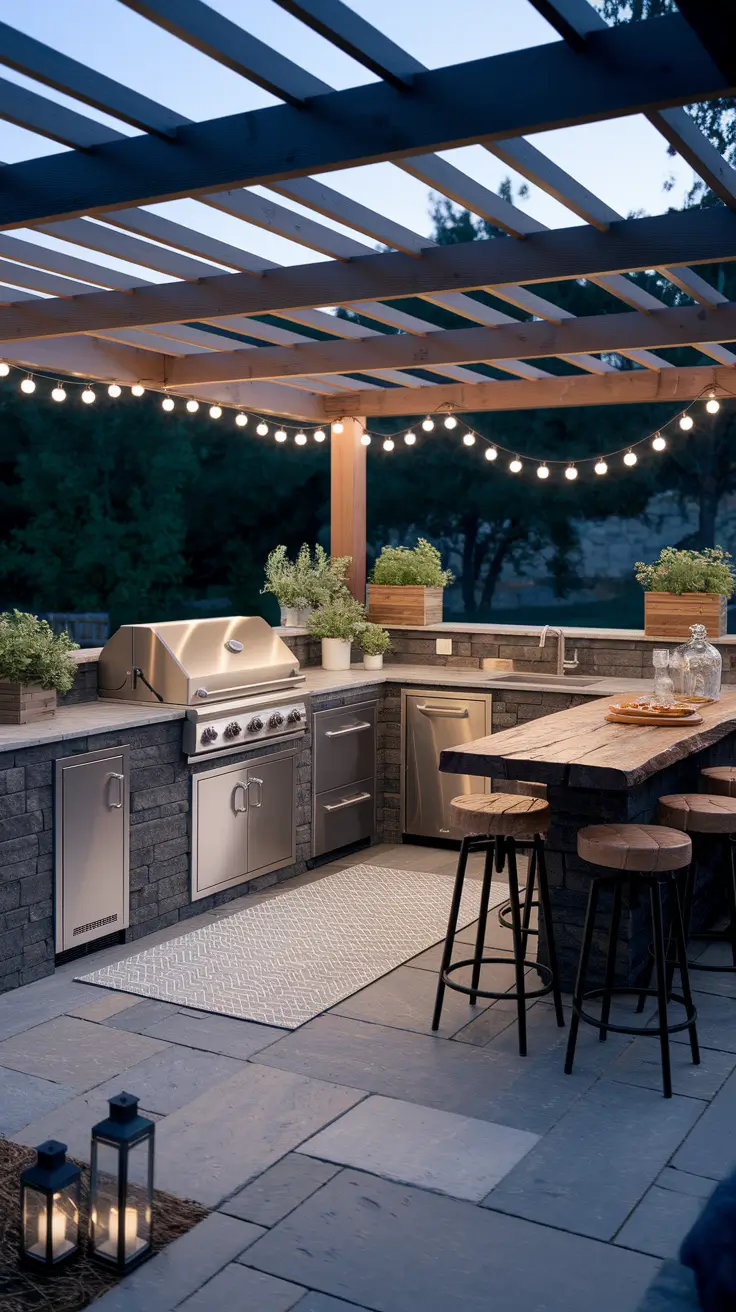
Drawing inspiration from mountain cabin kitchens, I incorporate heavier textures, stacked stone, and warm lighting that glows against timber at dusk. A fire bowl serves as a social focal point, with blankets stored in weatherproof chests inviting guests to linger. Practical storage for inclement weather includes sealed deck boxes for cushions, cover rails for grill protection, and pest-proof bins for wood or pellets, enabling extended use throughout the year.
Charming Game-Inspired Kitchen Designs
Translating the charm of game-inspired kitchens into real life involves focusing on simple shapes, balanced color blocking, and delightful small vignettes. Two-tone cabinetry, cheerful tile patterns, and a single playful appliance in a pastel shade create a space that feels bright and friendly without becoming thematic or gimmicky.
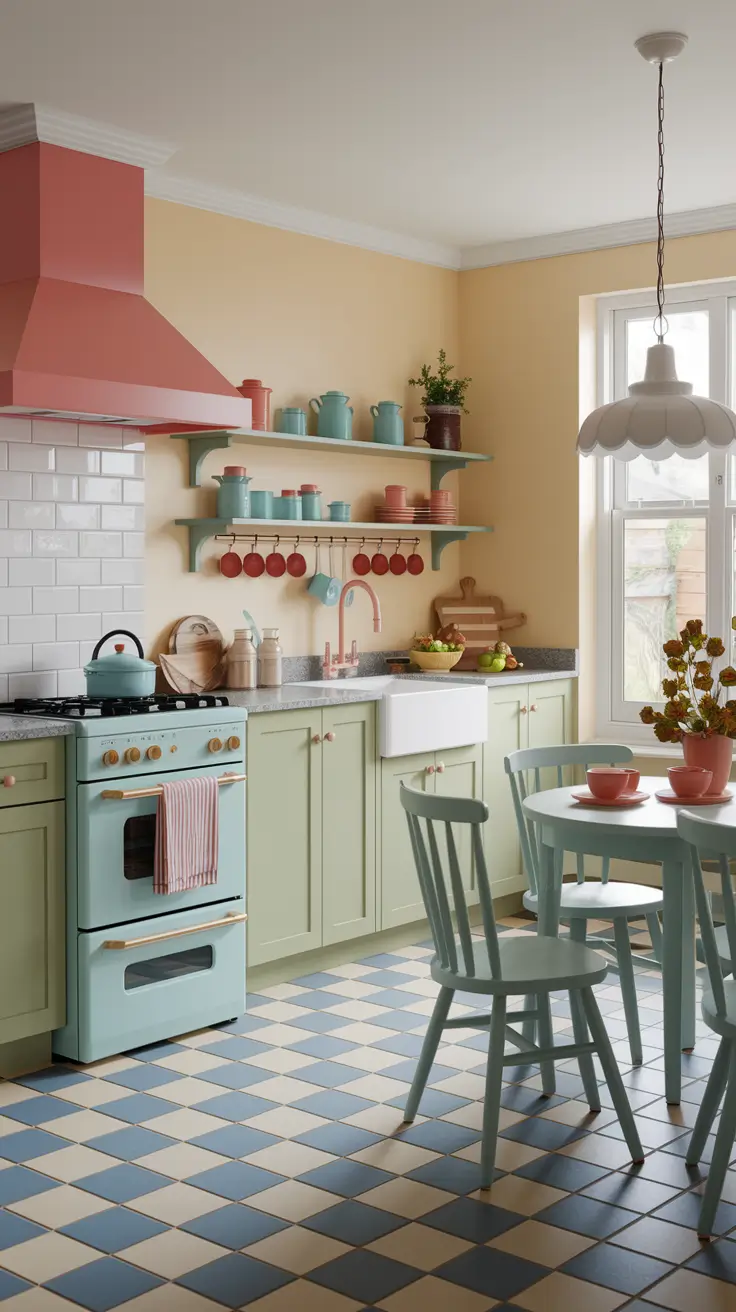
Furniture choices include compact tables with rounded edges, spindle-back chairs, and open shelving styled with canisters and fruit bowls-clean lines that feel minimalist yet softly modern. Checkerboard floors in muted tones or petite scalloped pendants add a whimsical touch, while durable surfaces like quartz and enamel ensure easy upkeep. Peg rails for hanging mugs and potholders contribute to a neighborly rhythm.
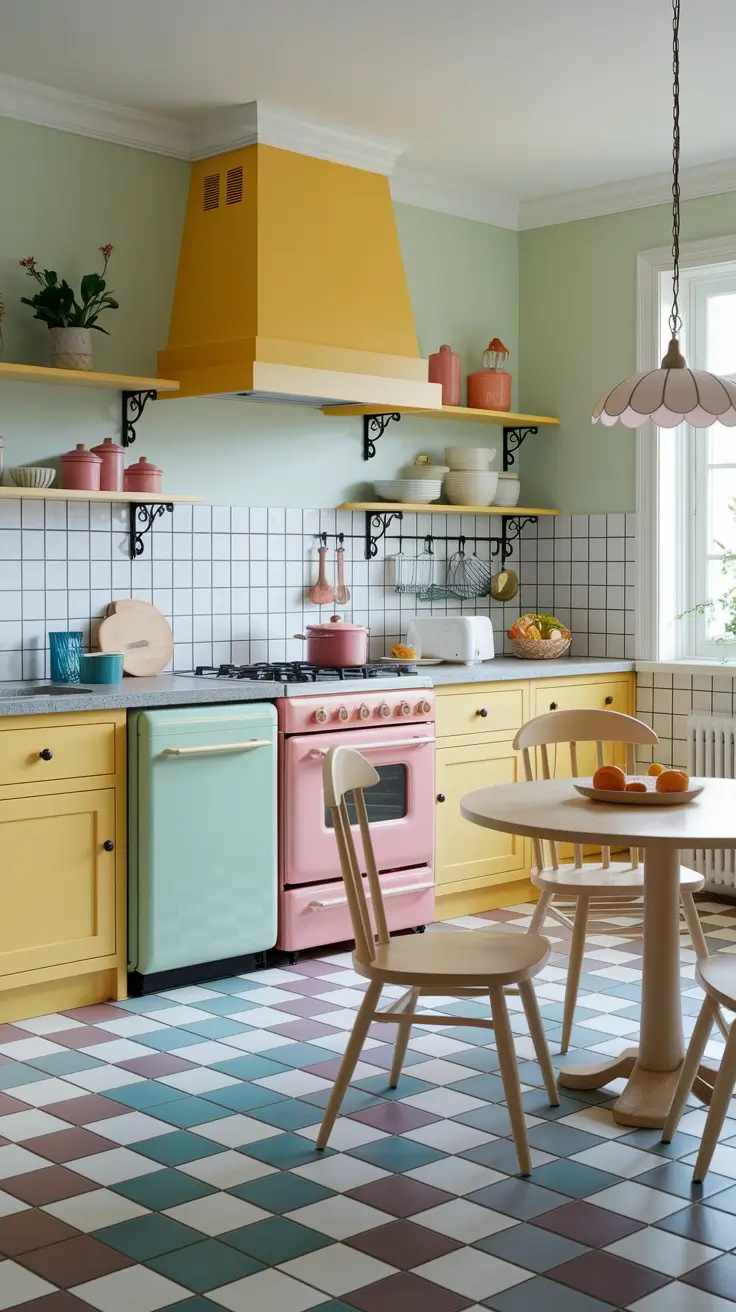
Honest proportions are key: one dominant color, two neutrals, and ample negative space. A small herb garden on the windowsill, a clock with large numerals, and a pastel stand mixer add earthiness and charm without veering into cartoonish territory.
To enhance tactile warmth, consider adding a fringed café curtain, a ceramic cookie jar, or a woven tray holding oils and spices-small details that invite touch and bring game-world coziness into everyday life.
Timeless White Kitchens with a Cozy Vibe
In small white kitchens designed for comfort, contrast and texture prevent the space from feeling flat. Warm whites paired with natural wood, unlacquered brass, or matte black hardware create depth and definition. Tongue-and-groove or beadboard on island backs add subtle pattern, while reeded glass breaks up wall expanses without clutter.
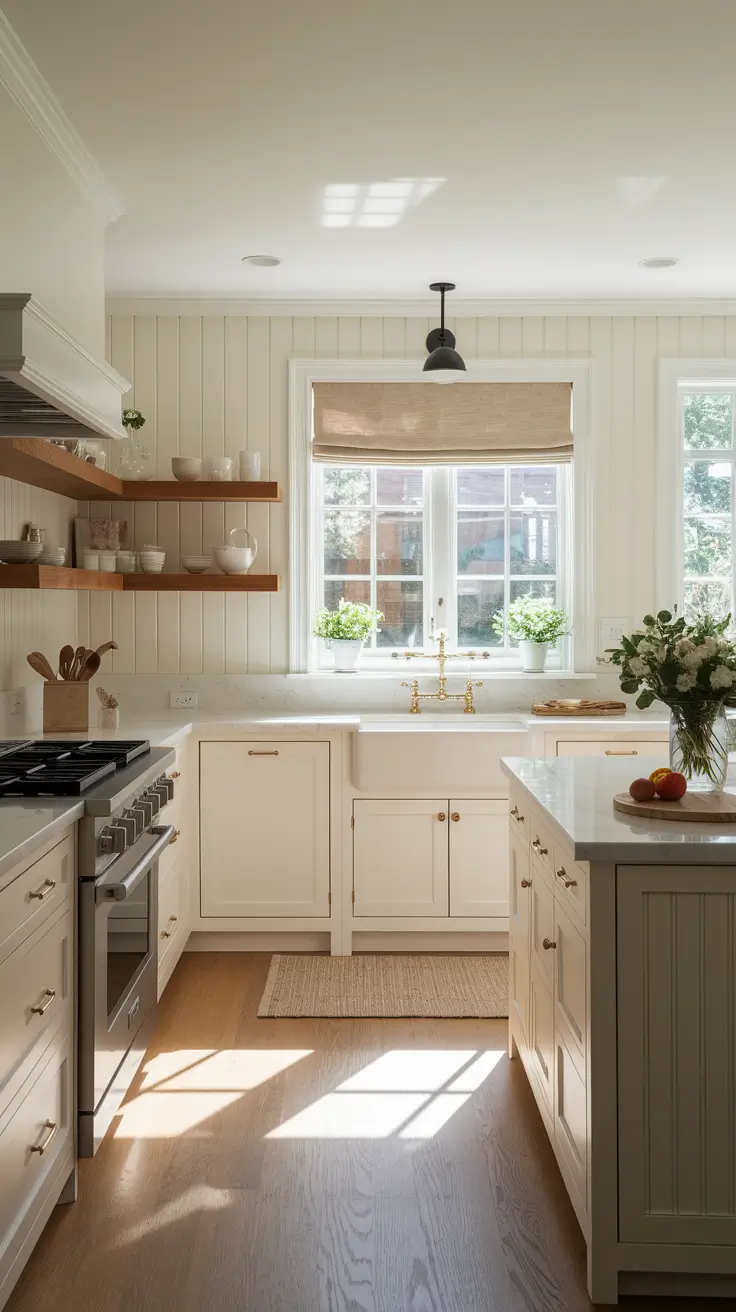
Thin-framed shaker doors, apron-front sinks, and soft-veined creamy quartz counters form the core. Oak or walnut accents-floating shelves, knife blocks, cutting boards-introduce warmth. Brass hardware develops a beautiful patina over time, and linen Roman shades filter natural light softly. A slim runner and flush drum light fixture complete the look, balancing minimalist architecture with aesthetic appeal.
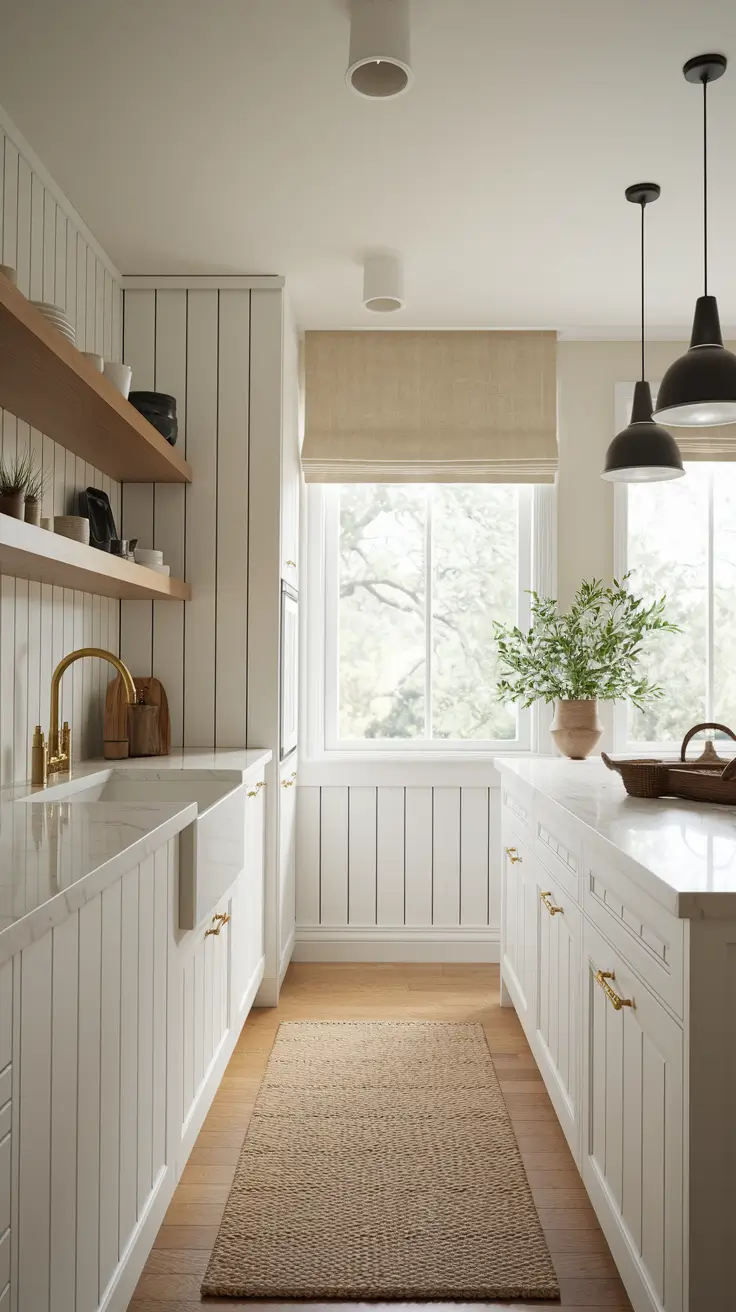
Balancing undertones is crucial: cool countertops pair well with warmer walls and wood, and vice versa. Stainless steel is used sparingly to avoid overwhelming the palette-panel-ready appliances or a single statement range feel more intentional and luxurious in their restraint.
Often overlooked is a cozy seating spot. Adding a slim wall-mounted café table with stools or a ledge beneath a window creates a welcoming pause, even in tight spaces.
Year-Round Warmth in Kitchen Design
To maintain a cozy kitchen throughout the seasons, I select materials that respond well to temperature and light changes: creamy paints, honey-toned woods, and textured fabrics that feel inviting in both winter and summer. Lighting between 2700-3000K ensures color consistency, while Roman shades and light linen curtains soften glare. A mix of open shelving and closed storage keeps the space feeling lived-in but uncluttered, with clear circulation so cooking hearty stews or fresh salads feels effortless.
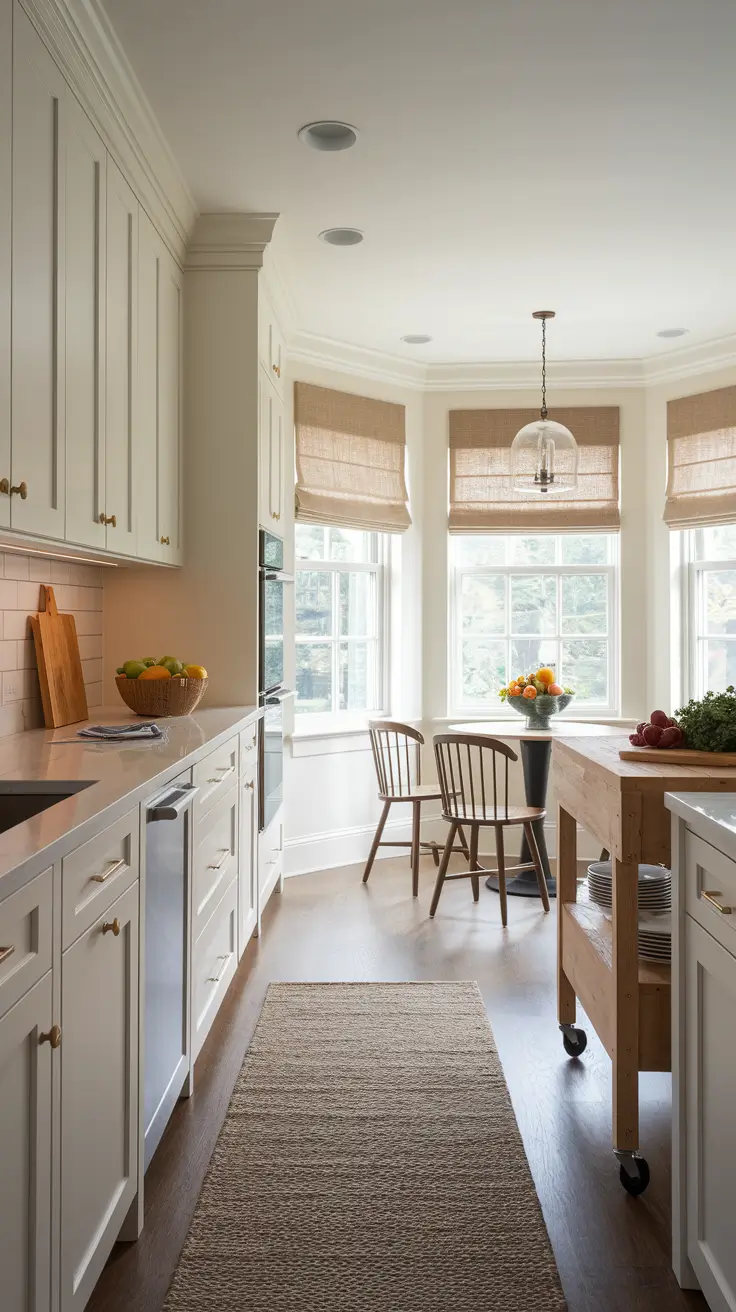
Cabinetry is typically shaker or slab with thin frames in warm white, paired with a movable butcher-block prep cart and durable stone or quartz counters. Rail systems organize utensils, and wool-blend runners keep tile floors warm in winter while remaining breathable in summer. A small round table with spindle-back chairs and cushions alternating between flannel and linen add seasonal texture. A lidded basket of seasonal produce brings natural variation to the space. The palette remains simple and modern to avoid visual fatigue.
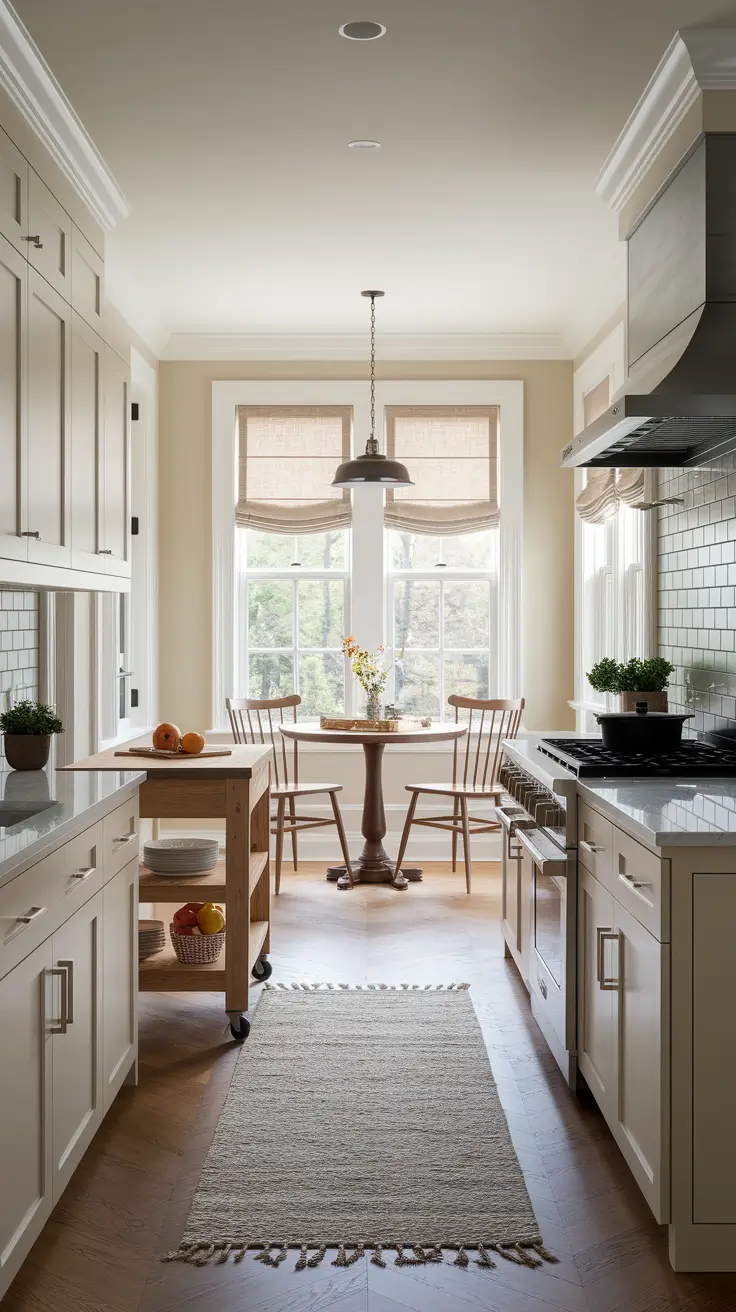
Layered lighting-dimmable overheads, under-cabinet task lights, and a table lamp on a side console-provides the greatest comfort upgrade. Industry experts recommend multiple light sources at varying heights to avoid harsh contrasts and transform cooking into a calming ritual. Adding a small speaker for soft background music and scent from simmering citrus and spices completes the sensory experience.
To bridge indoor and outdoor living, consider cedar trays for herbs, stoneware planters by windows, and weather-resistant lanterns near exits, extending the cozy outdoor kitchen vibe without major renovations.
Kitchen Designs Inspired by Mountain Cabins
For kitchens in mountain retreats, I emphasize rugged yet refined materials: knotty woods, natural stone, and matte metals that endure heavy use. Clear sightlines to nature are essential, with windows framing treetops and snow. Warm whites and earthy greens complement the landscape, creating a space that feels rustic but organized and modern.
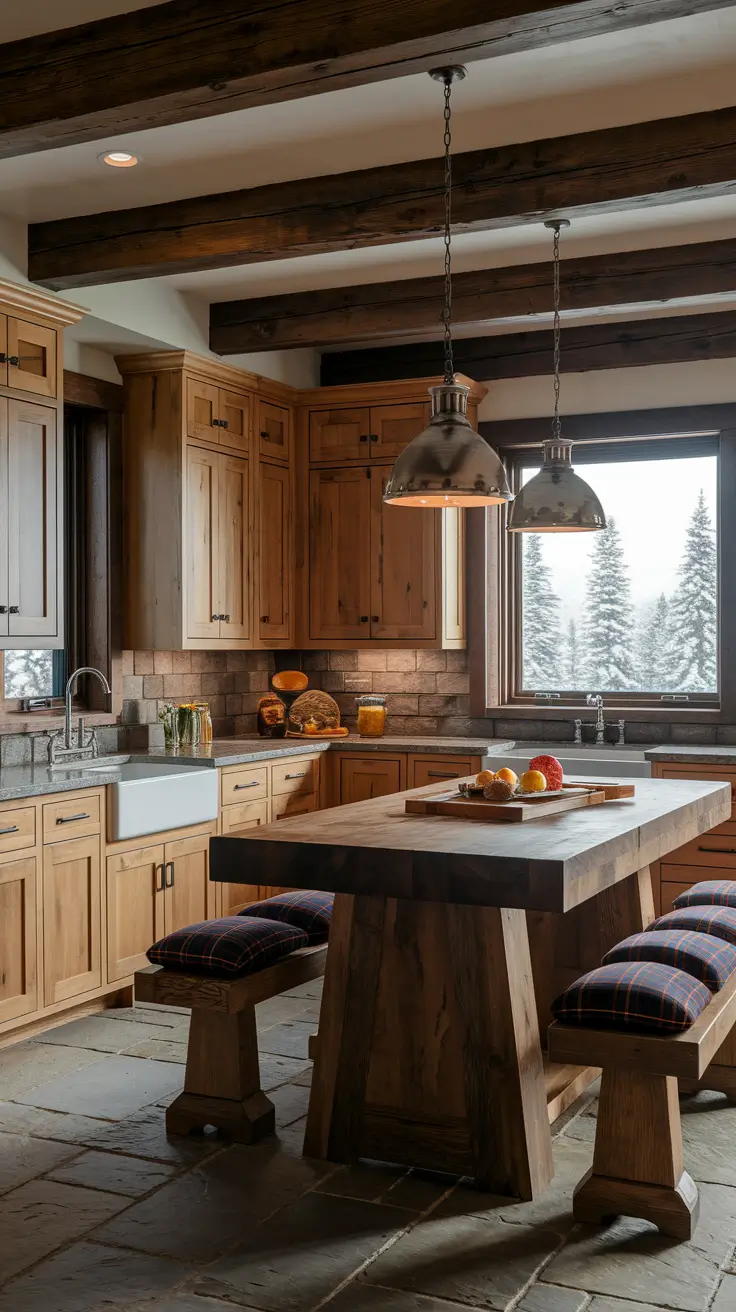
Cabinetry is frameless or shaker-style oak, paired with soapstone or leathered granite counters and a deep apron-front sink with a sturdy bridge faucet. Open peg rails hold mugs and cast iron cookware, while an island with an end-grain butcher block top serves as a workhorse. Seating includes built-in benches upholstered in performance fabrics, wool plaid cushions, and trestle tables for après-ski gatherings. Forged-iron hardware, hammered pendant lights, and wool runners unify the rustic aesthetic.
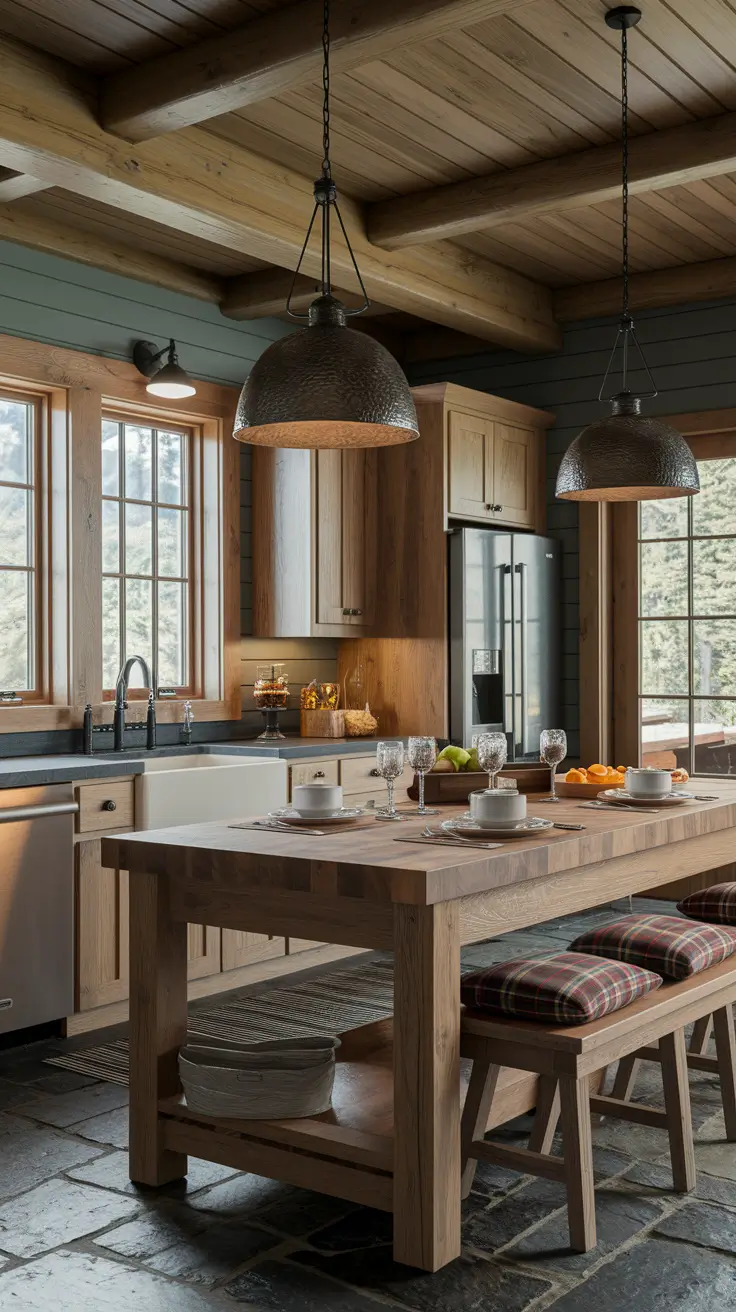
I incorporate lodge-inspired elements sparingly-one timber accent without kitsch. Radiant floor heating under stone tiles enhances winter comfort and speeds snowmelt. Proper ventilation with make-up air and vented hoods is critical at altitude for performance and comfort.
Storage solutions address seasonal needs: tall pull-out pantries for bulk goods, outdoor firewood chests, and landing zones near mudrooms keep gear organized and the kitchen clutter-free.
Inviting Kitchen Nook Bench Ideas
Designing cozy kitchen nooks involves carving out a dedicated spot for relaxed conversation and casual meals. Position the nook near a window or under an eave, using built-in benches to maximize corner space in small kitchens. Rounded edges, soft textiles, and low, diffused lighting create a calm atmosphere close to the kitchen action but outside the main work triangle.
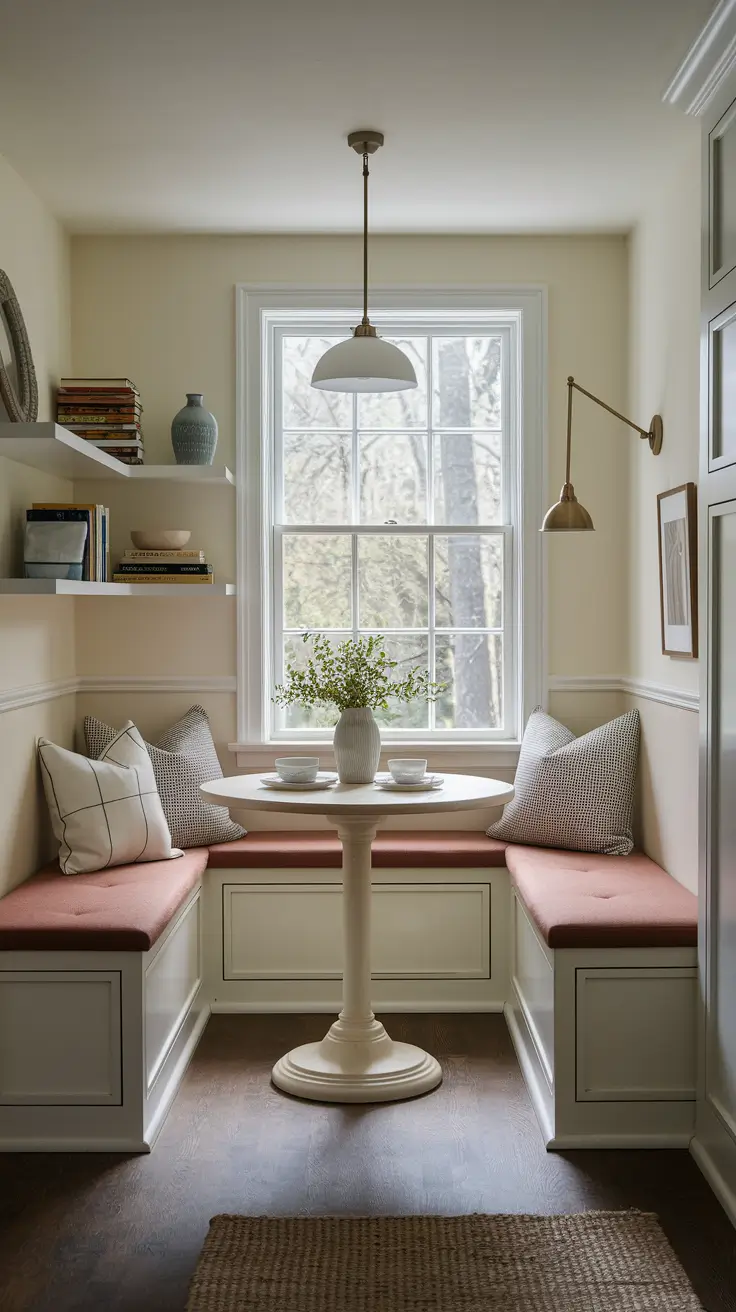
Benches feature hidden storage via flip-top lids or drawers, firm cushions for posture, and a mix of back pillows for comfort. Pedestal café tables prevent knee clashes, and armless chairs add flexibility for guests. Swing-arm sconces free up table space, while washable slipcovers in tonal palettes ease maintenance. A small ledge shelf holds essentials like books, salt, and a vase-functional yet understated.
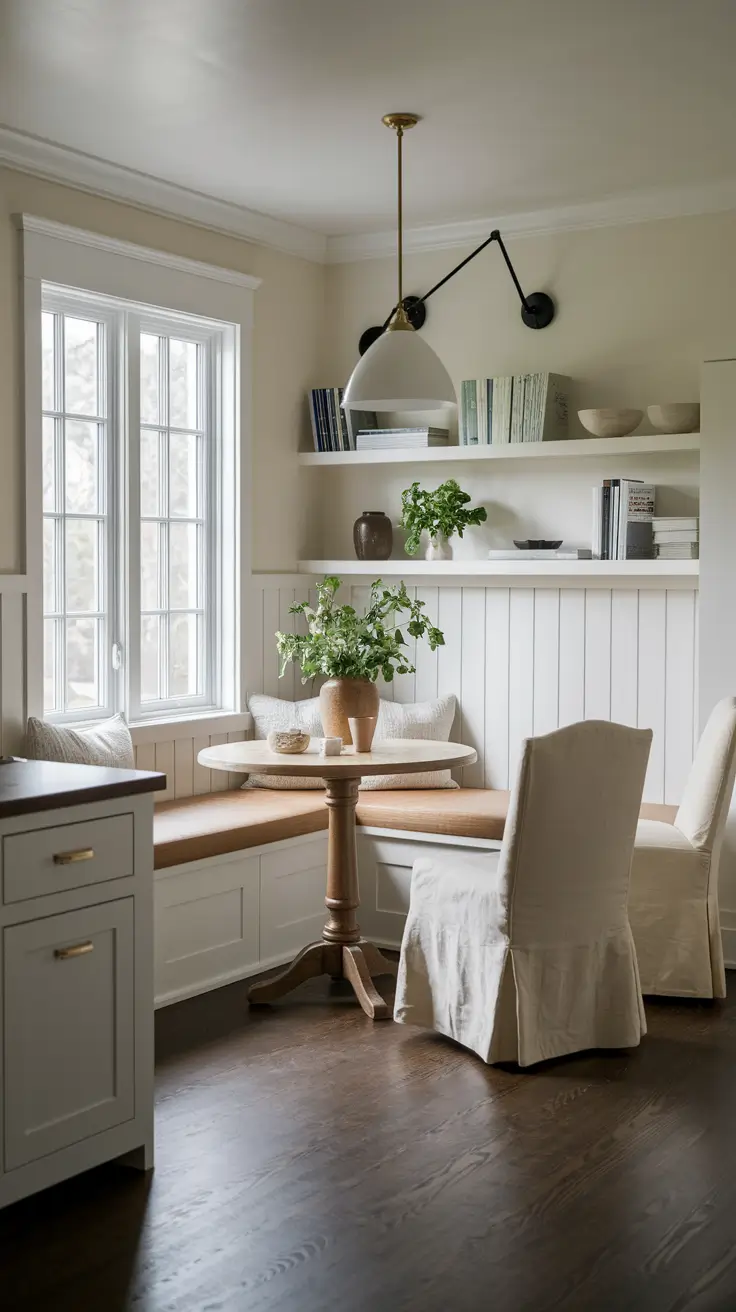
Optimal bench depth ranges from 28 to 30 inches for both lounging and upright seating, with table heights around 29 inches suitable for laptop use. Extending the bench slightly beyond the window creates a bay effect, a subtle design trick that elevates the space.
Adding acoustic softness with low-pile rugs, drapery to reduce echoes, and dimmable lighting enhances intimacy. For playful homes, patterned cushions or pastel vases can echo game-inspired kitchen charm without overwhelming the design.
Modern Kitchens That Radiate Warmth
Modern warmth blends sleek, clean lines with humanizing touches. Flat-front cabinets with integrated pulls and monolithic countertops are softened by tactile woods, textiles, and warm lighting. Long sightlines are punctuated with character through natural fiber stools, artisan tiles, and warm metal accents, creating kitchens that look polished yet feel relaxed.
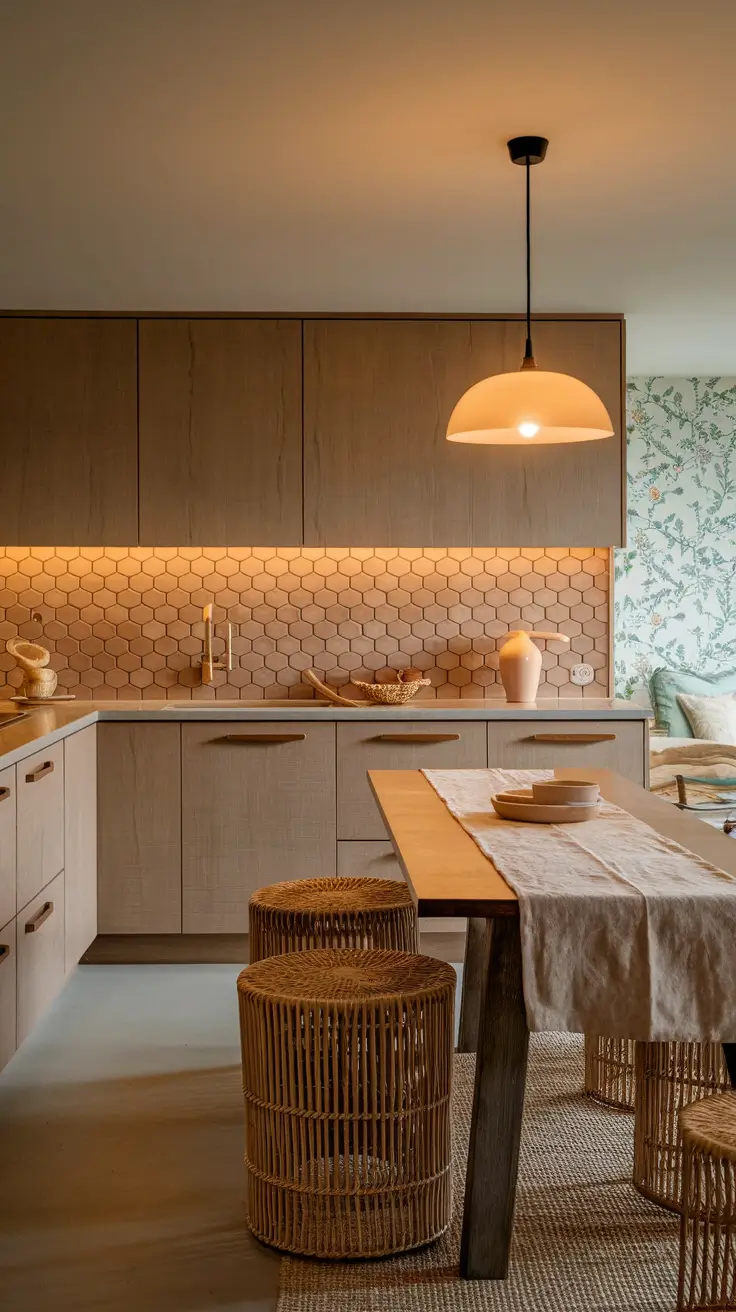
Materials include matte lacquer or laminate cabinetry, oak accents, thin quartz countertops, and handmade backsplash tiles. Downdraft or slim hoods maintain clean sightlines. Upholstered woven cord or bouclé cushions soften sharp edges, while linen runners and ceramic lamps add warmth. Concealed recycling bins, narrow spice pull-outs, and utensil rails keep tools accessible yet organized.
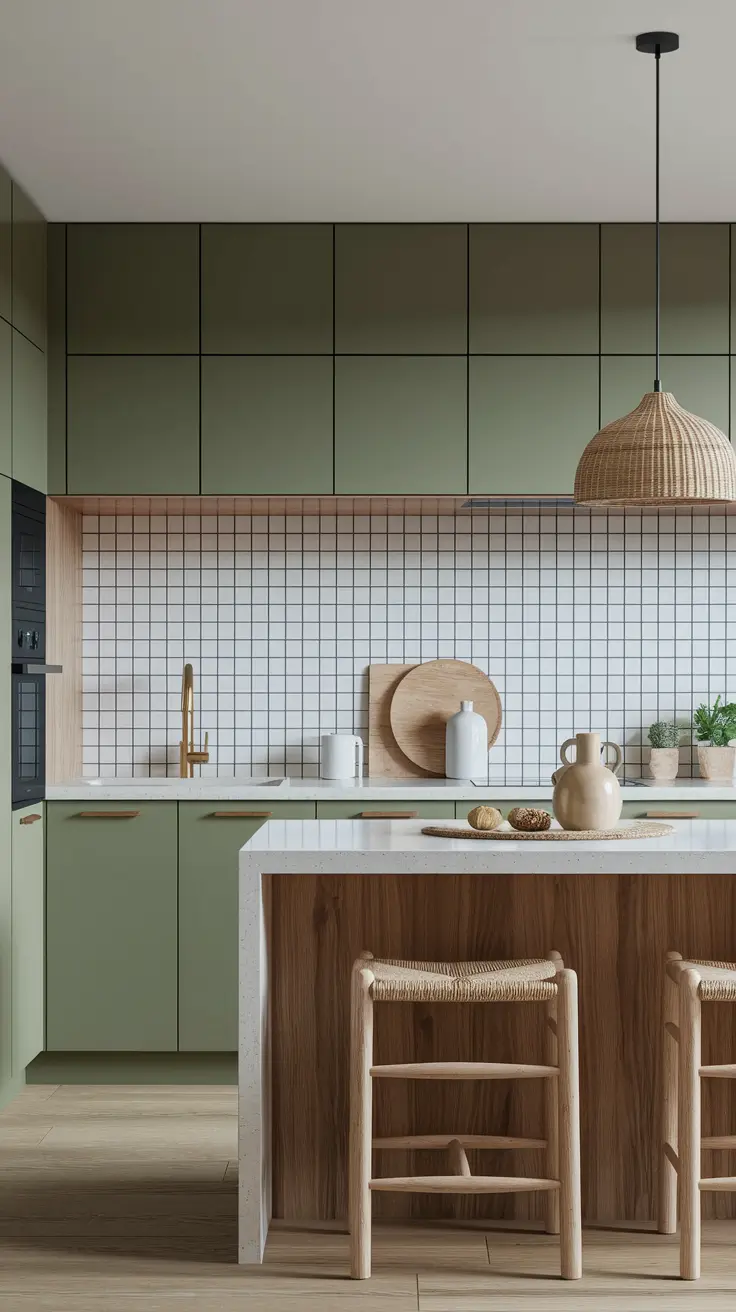
Warmth emerges from thoughtful micro-decisions: a single open shelf with pottery or a framed textile prevents sterility. Playful touches like pastel appliances or checkerboard runners nod to game-inspired kitchens without becoming thematic. Adding a small banquette or two-stool island perch with dimmable natural-material pendants raises the room’s human scale while preserving luxury finishes.
Minimalist Kitchens Designed for Serenity
Minimalist kitchens prioritize visual calm and effortless upkeep. Blank counters, integrated storage, and a restrained palette reduce decision fatigue without feeling austere. A clear work triangle, limited finishes, and warm textures create inviting spaces that thrive in small footprints, complementing bright, cozy white kitchens.
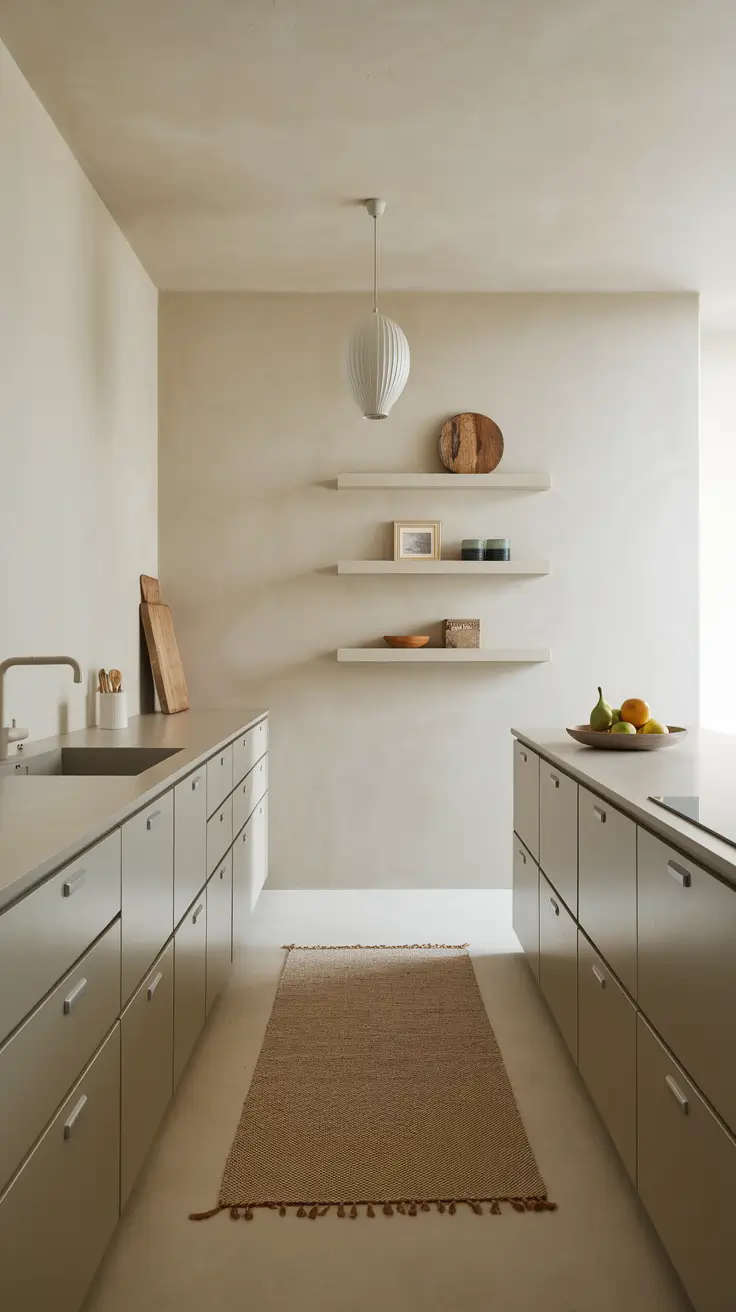
Features include slab cabinets with inset pulls, panel-ready appliances, and seamless quartz or sintered stone counters and backsplashes. Drawer pegs organize plates, dividers hold lids, and charging drawers hide cables. Warmth comes from a sculptural pendant, a narrow runner, and a curated open shelf with a wooden board and ceramic bowl. The overall look is modern yet inviting.
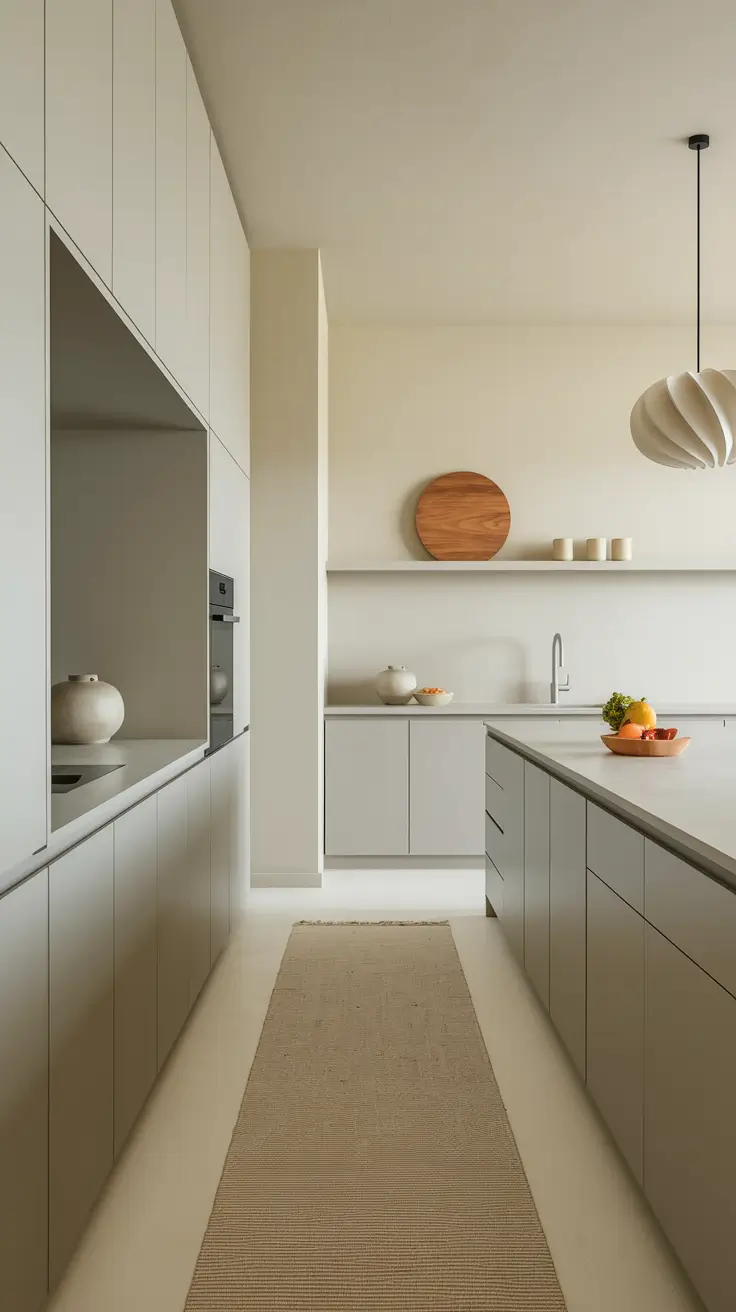
Ritual display is key to coziness: a single linen towel, a mortar and pestle, or a seasonal bowl of fruit signals life without clutter. Many design experts advocate editing over hoarding to maintain focus and calm. For a playful touch, subtle checkerboard runners or pastel appliances can hint at game-inspired kitchens without overwhelming the space.
Adding a soft seating area like a narrow ledge with stools and dimmable task lighting elevates comfort while preserving minimalist serenity.
Efficient Storage Solutions for Cozy Kitchens
Effective storage is the backbone of cozy small kitchens. I design a seamless storage system with a compact work triangle, at least one continuous countertop, and ceiling-high cabinetry that frames the space like custom millwork. Drawers replace doors for ergonomic access, while thin open shelves display everyday tools to avoid a bare look. The mood is quietly minimalist yet highly functional.
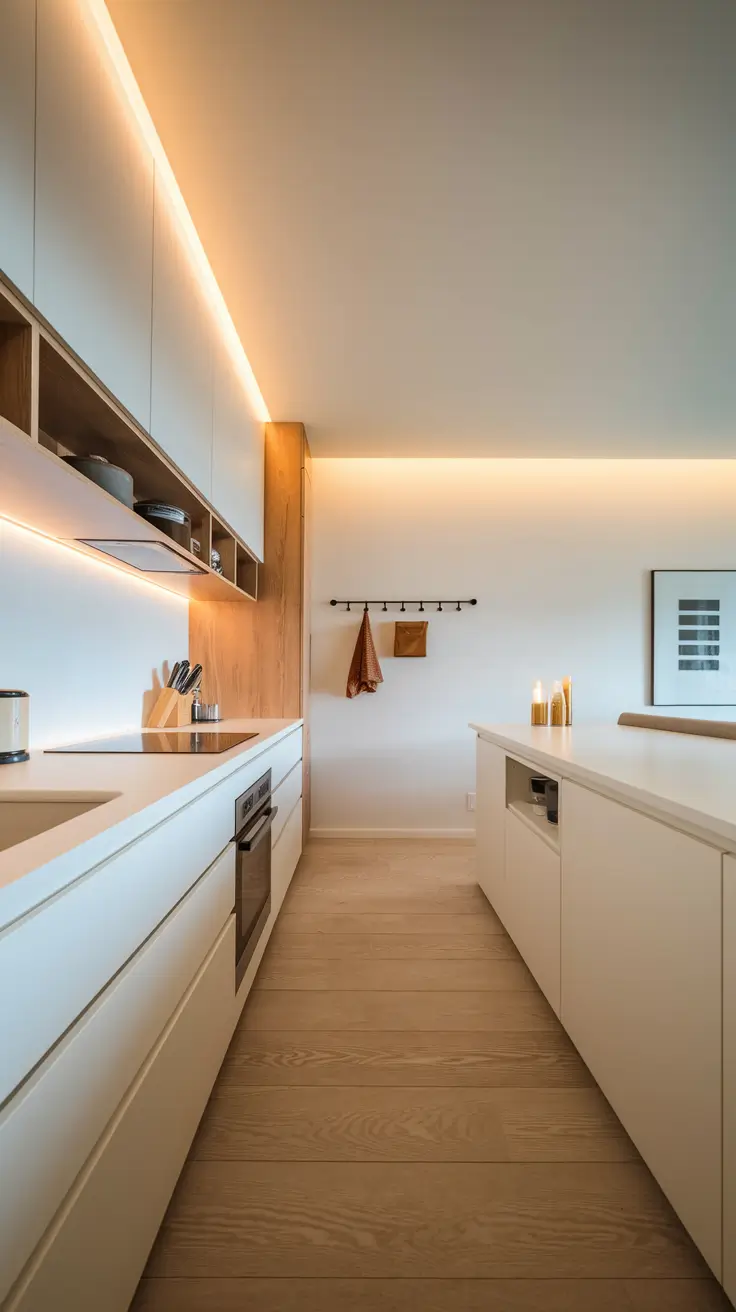
Peg systems organize plates, lid dividers and tray slots, while pull-out pantries with shallow shelves prevent lost items. S-hook rails keep ladles and sieves accessible, and magnetic knife strips free up drawer space. Flip-top banquettes provide hidden storage, and mirrored toe-kicks visually lift cabinetry bases, making narrow kitchens feel more spacious.
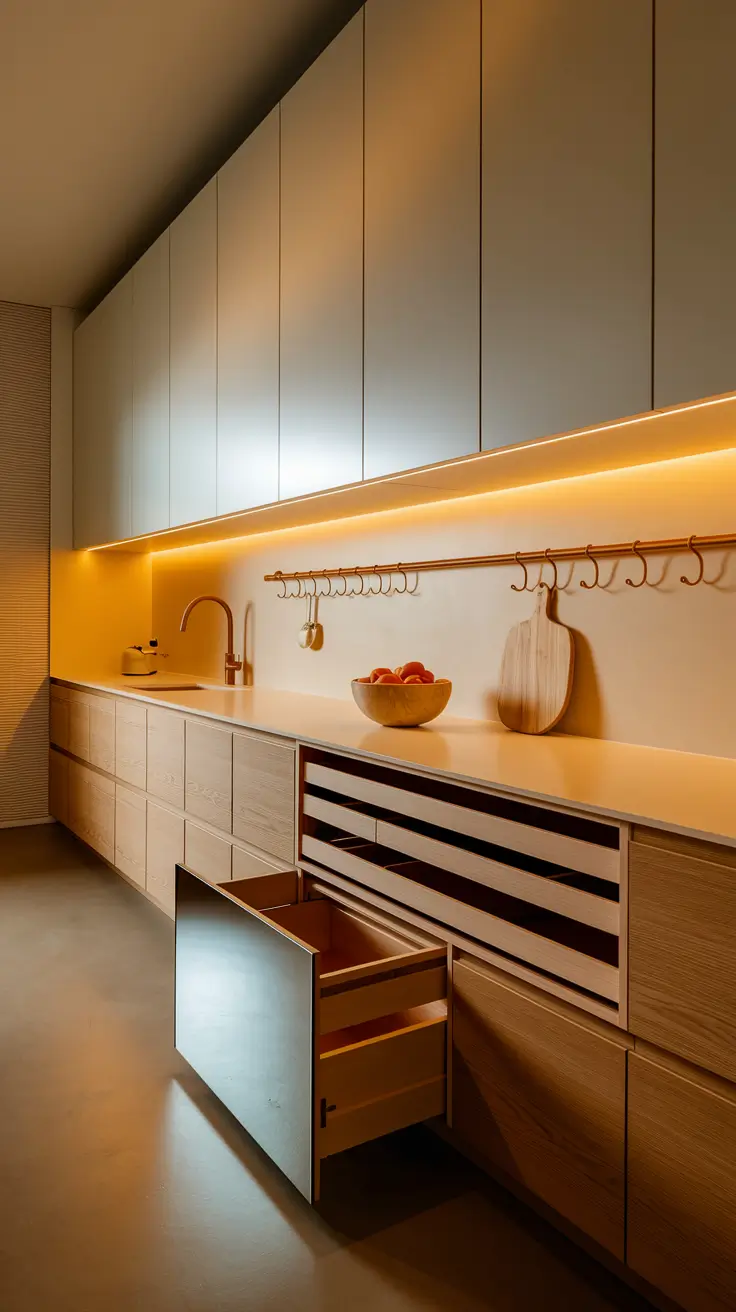
Regular editing is essential: keep counters clear on drop zones and corral items by type in labeled bins. Layered lighting at multiple heights enhances comfort and prevents a sterile feel, turning storage into daily inspiration rather than visual clutter.
Vertical rhythm adds capacity without sacrificing calm: a slim bookshelf for cookbooks, a shallow spice ledge near the range, and a small stool tucked under an overhang complete the picture.
Eco-Conscious Kitchens for Sustainable Comfort
Designing eco-friendly kitchens that feel cozy involves selecting materials and systems that age gracefully and require minimal upkeep. Foundations include low-VOC paints, FSC-certified woods, and durable quartz or sintered stone counters. Strategic window placement encourages cross-ventilation, while integrating herb gardens and compost stations connects the kitchen to nature, echoing the spirit of cozy outdoor kitchens.
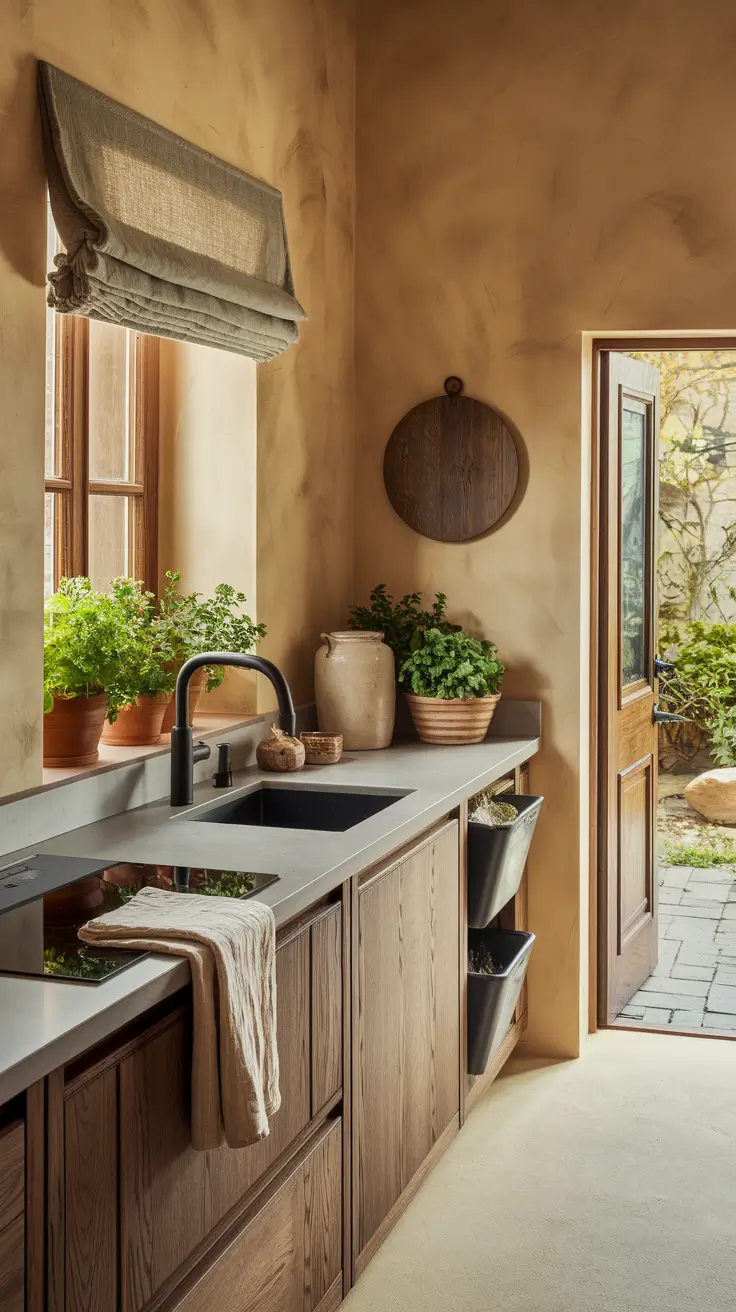
Energy-efficient induction cooktops, quiet well-ventilated hoods, and built-in recycling and compost pull-outs support sustainability. Natural materials like wood cutting boards, linen runners, and ceramic canisters invite tactile warmth without plastic clutter. Rustic homes benefit from matte metals, stone accents, and warm timber that develop patina over time, while minimal brass details add subtle luxury.
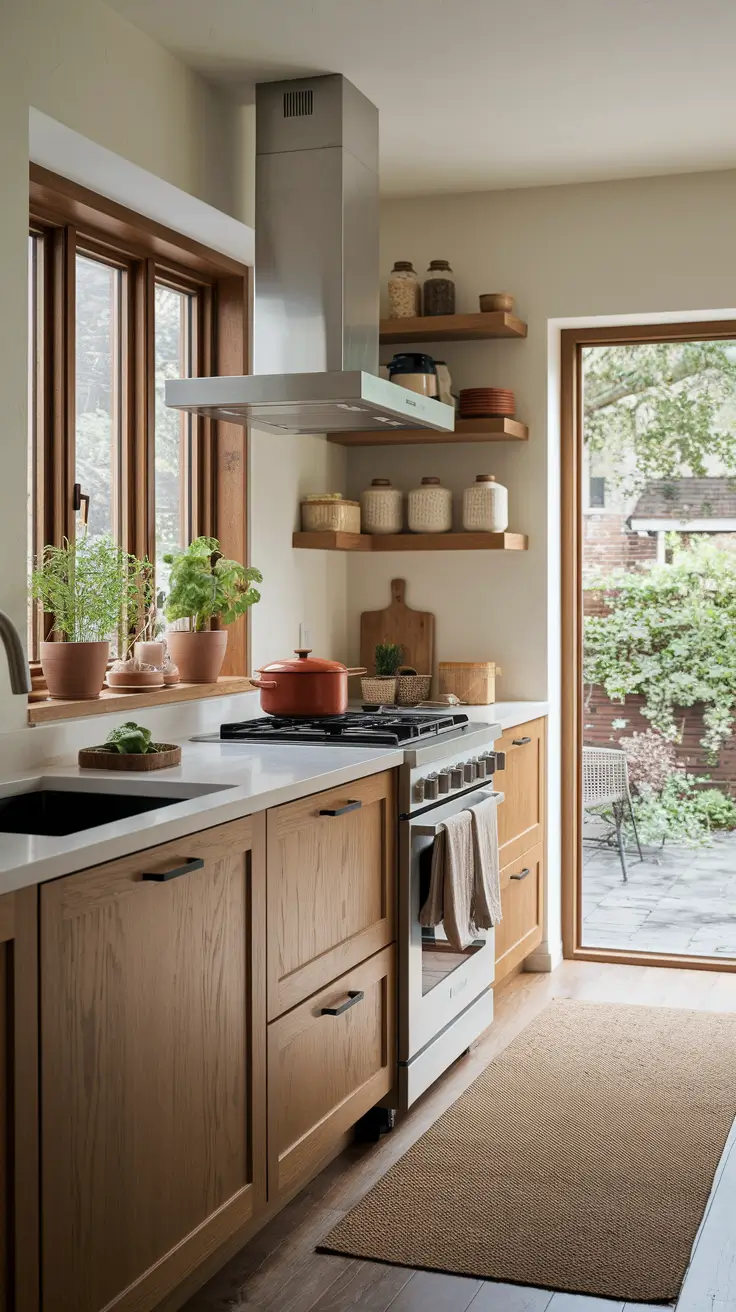
Practicality ensures sustainability sticks: wide-mouth grain jars, under-sink filtered taps, and charging drawers reduce waste and clutter. The mantra “buy fewer, better” resonates with many designers, focusing on quality task lighting, hardware, and textiles that work harmoniously. Seasonal flexibility is enhanced with drying rails, rolling carts for market goods, and outdoor lanterns that complement interior design, extending the eco-friendly vibe outdoors.
Personalizing Your Cozy Kitchen with Thoughtful Decor
Decor bridges personality and tranquility. I keep the structural elements understated, layering in art, textiles, and subtle color accents to avoid a posed look. Framed textiles, ceramic lamps on consoles, and a repeated accent hue in towels or kettles create a friendly rhythm that suits both modern and softly rustic kitchens.
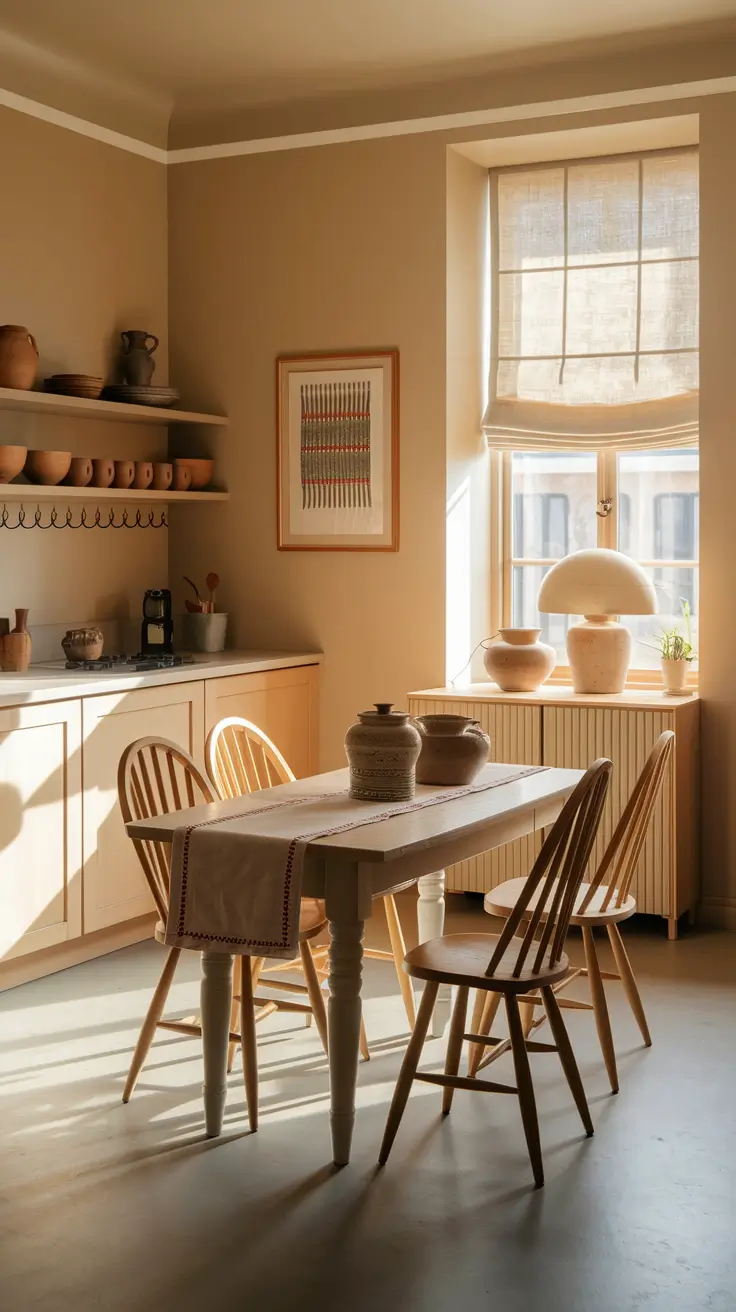
Elements like linen Roman shades, washable runners, and pottery on open shelves break up cabinetry expanses. Small café tables with spindle-back chairs add human scale, echoing inviting kitchen nook bench designs. Peg rails display mugs and aprons, while pastel appliances or checkerboard mats nod to playful game-inspired kitchens without feeling juvenile. Oak or walnut accents add depth and prevent flatness in photos.
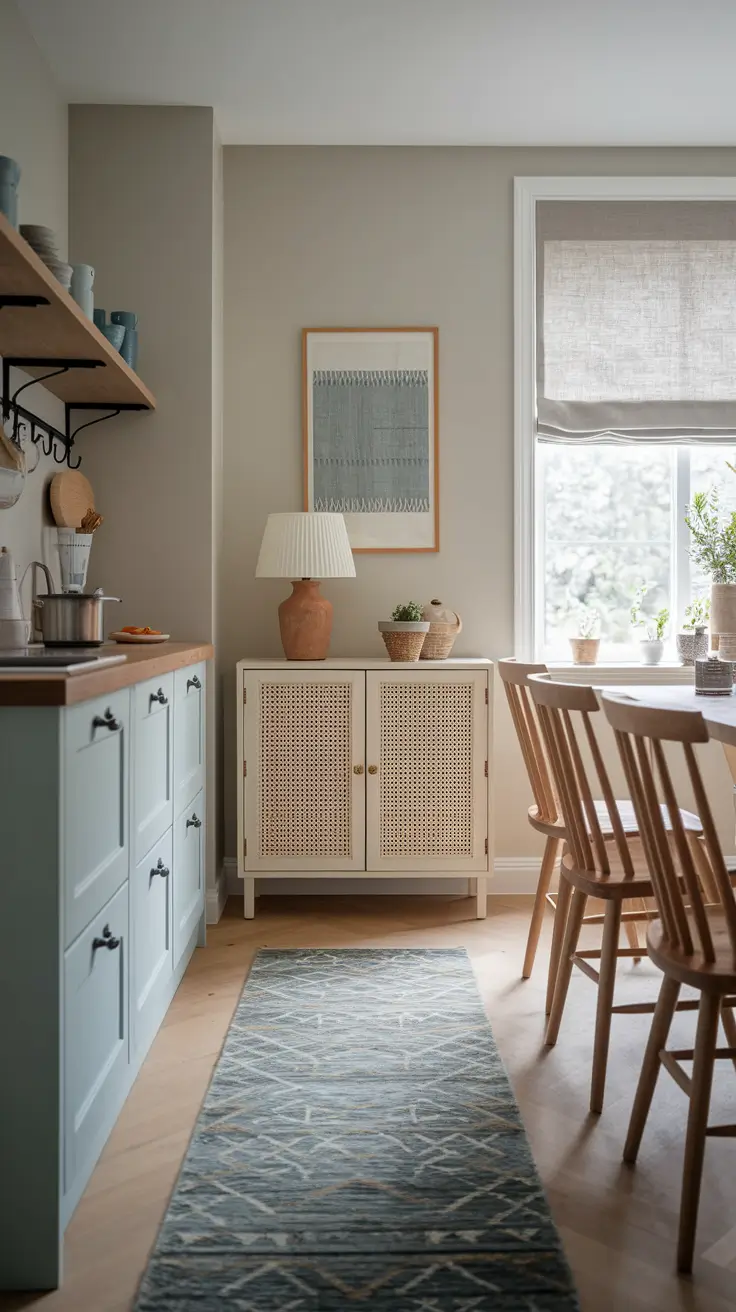
Fewer, meaningful objects-an antique clock, heirloom pot, or favorite print-outperform numerous props. Layered lighting, especially table lamps, transforms cooking into a ritual, making styling feel like comfort rather than clutter. To personalize further, add a ledge for rotating art, a corkboard for recipes, and a slender vase with seasonal branches, maintaining minimalism while refreshing inspiration year-round.
