
Innovative Basement Bathroom Designs for 2026: Stylish, Functional, and Inviting Spaces
Designing a basement bathroom presents unique challenges, especially when navigating constraints like low ceilings, absence of windows, and limited space. This comprehensive 2026 guide explores practical and creative solutions-from incorporating tubs and laundry areas to bold choices like black vanities-that harmonize style with functionality. By focusing on finishes, lighting, ventilation, and smart layouts, you can transform dark, windowless, or unfinished basements into tranquil retreats. Whether your project is a modest budget-friendly update or a luxurious full-scale renovation, understanding key trade-offs will empower you to make confident, enjoyable design decisions.
Setting the Mood: Tailoring Basement Bathrooms to Your Style
Every basement bathroom design begins with defining the desired ambiance, which influences choices such as tile dimensions and fixture colors. For those drawn to a moody aesthetic, deep porcelain tiles, layered lighting, and warm metallic accents create a cozy, enveloping atmosphere. Nature-inspired themes come alive with sage cabinetry, eucalyptus-hued towels, or moss-glazed tiles that breathe vitality into windowless spaces. Fans of farmhouse or modern farmhouse styles benefit from durable shiplap paneling and matte finishes that reduce glare in low-ceiling rooms. Urban modern designs emphasize simplicity with large-format tiles, frameless showers, and muted palettes that exude timeless elegance.
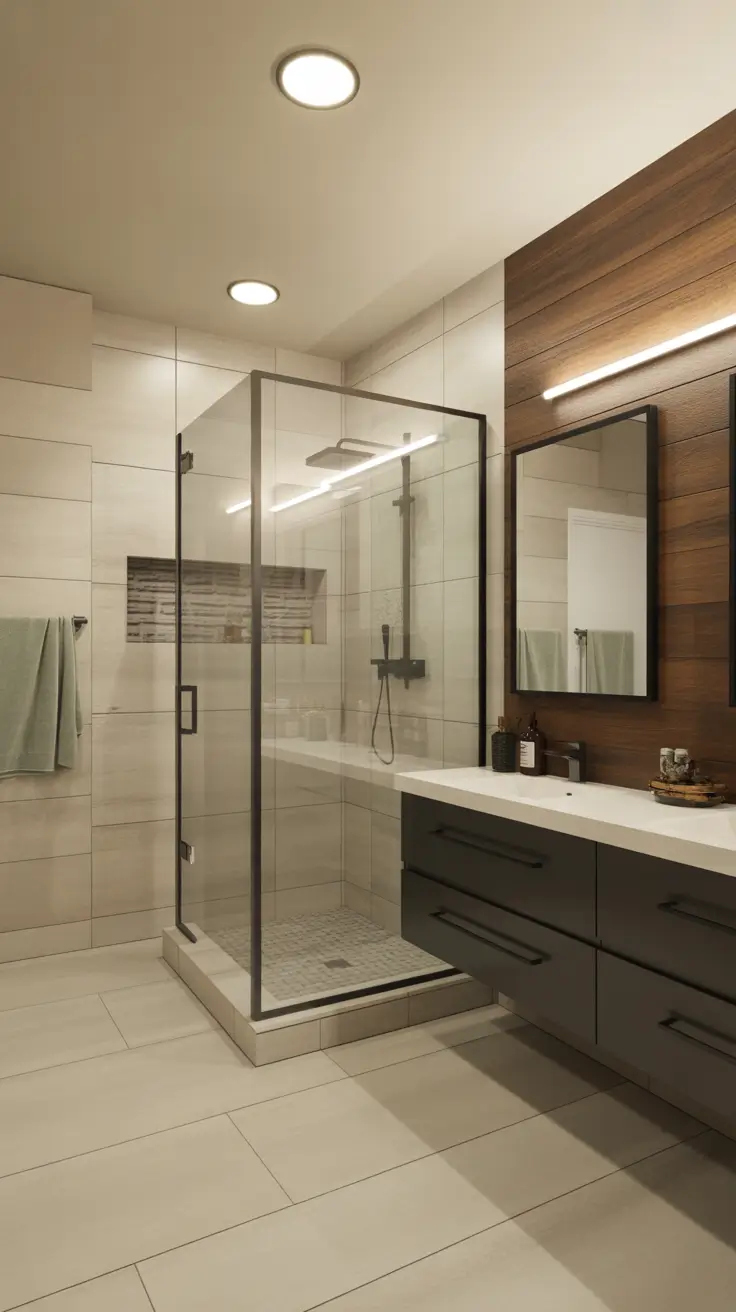
Optimizing Layout and Plumbing for Basement Bathrooms
When planning, I carefully map plumbing routes to avoid conflicts with structural beams and ensure proper drain slopes. Linear drains are ideal for showers in compact spaces, allowing nearly flat floors with a single-plane slope. Floating vanities enhance floor visibility and simplify cleaning, while wall-hung toilets save valuable inches. Matte black fixtures add striking contrast in light rooms, whereas brushed nickel or champagne brass warm darker schemes. For tight spaces, a deep alcove tub with a glass screen offers a full bath experience without sacrificing room.
Durable Materials and Finishes for Basement Bathrooms
Material selection is crucial for basement bathrooms, where moisture and temperature fluctuations are common. Porcelain tile remains a top choice due to its water resistance and ease of maintenance. For budget-conscious yet stylish upgrades, luxury vinyl plank (LVP) and porcelain tiles mimicking natural stone provide excellent value. Cementitious backer boards and waterproof membranes ensure robust wall assemblies. Bare cinder block walls are insulated, furred out, and sealed with vapor retarders before finishing, creating a polished look that can be tailored to modern or rustic tastes.
Lighting and Ventilation Strategies for Windowless Basements
Effective lighting is essential in basements, where natural light is scarce. I recommend warm LED lights in the 3000K-3500K range, combining recessed downlights, wall washers, and backlit mirrors to create a bright yet inviting environment. Timer-controlled exhaust fans with humidity sensors maintain air quality without manual intervention. For noise-sensitive areas, selecting quiet fans preserves the room’s ambiance. Incorporating greenery-real or artificial-softens architectural lines and adds life to the space.
Checklist for Basement Bathroom Planning
Before finalizing designs, I compile a detailed checklist covering drain slopes, ceiling obstructions, ventilation, heating, electrical circuits, and lighting density. This ensures structural realities align with aesthetic goals, minimizing costly revisions. Early decisions about style direction-be it rustic farmhouse or sleek modern-help maintain coherence throughout the project.
Brightening Windowless Basement Bathrooms: Techniques and Tips
In windowless bathrooms, I treat lighting as a landscape, layering multiple sources to mimic daylight. Perimeter LED coves, recessed fixtures, and backlit mirrors prevent dull, gray skin tones. Glossy or satin-finish pale tiles reflect light effectively, while glass shower enclosures maintain open sightlines. Light-colored floors with subtle patterns help conceal dust and add visual interest. For wallpaper enthusiasts, moisture-resistant vinyl-backed options with coordinated towels unify the design without overwhelming the space.
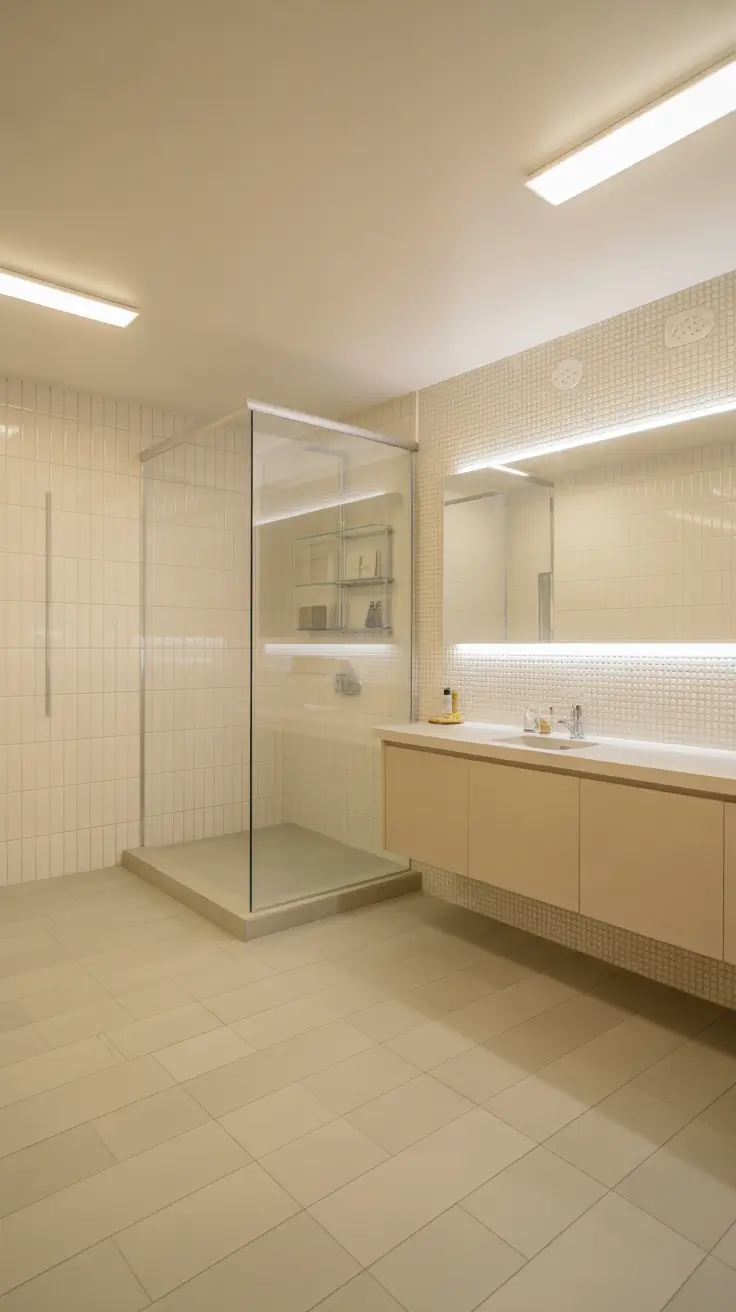
Designing for Low Ceilings: Creating Spaciousness in Compact Basements
Low ceilings demand thoughtful design to avoid a cramped feel. I streamline ceiling planes by consolidating mechanical runs into smooth soffits and favor recessed, low-profile lighting over pendants. Vertical ribbed tiles or beadboard on feature walls draw the eye upward, enhancing perceived height. Curbless or low-threshold showers maintain visual flow, while wall-hung toilets and shallow floating vanities maximize floor space. Painting ceilings the same color as upper walls blurs boundaries, making rooms feel taller, especially when using moody palettes.
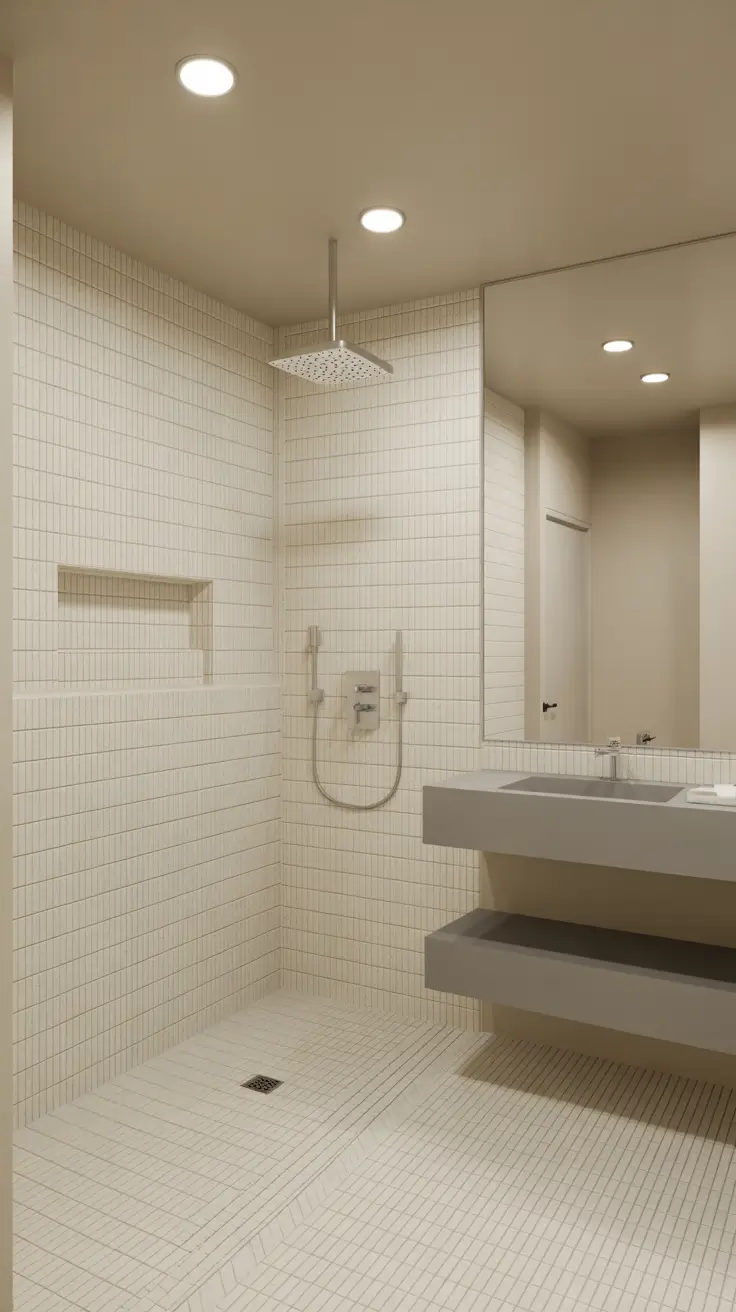
Incorporating a Tub: Luxurious Comfort in Basement Bathrooms
Adding a tub in a basement requires careful consideration of slab depth and drainage. Options include alcove tubs, compact freestanding models, or Japanese soaking tubs that fit small footprints. Glass screens replace curtains to maintain openness. Slip-resistant flooring and handheld shower bars enhance safety and convenience. For a spa-like vibe, I combine dark tiles with soft lighting and crisp white towels. Accessories like teak stools, candle ledges, and preserved moss art panels add warmth and ritualistic charm.

Seamless Laundry and Bathroom Combinations
Integrating laundry into basement bathrooms optimizes space and daily routines. I recommend zoning wet areas separately with pocket doors or slatted screens to maintain a tidy appearance. Over-counter folding spaces conceal appliance tops, while acoustic insulation and quiet fans create a spa-like atmosphere. Compact stacked washer-dryers and tall storage cabinets keep clutter at bay. Durable porcelain or LVP flooring withstands moisture and wear, complemented by metal-bracketed wooden shelves and woven baskets for farmhouse flair.
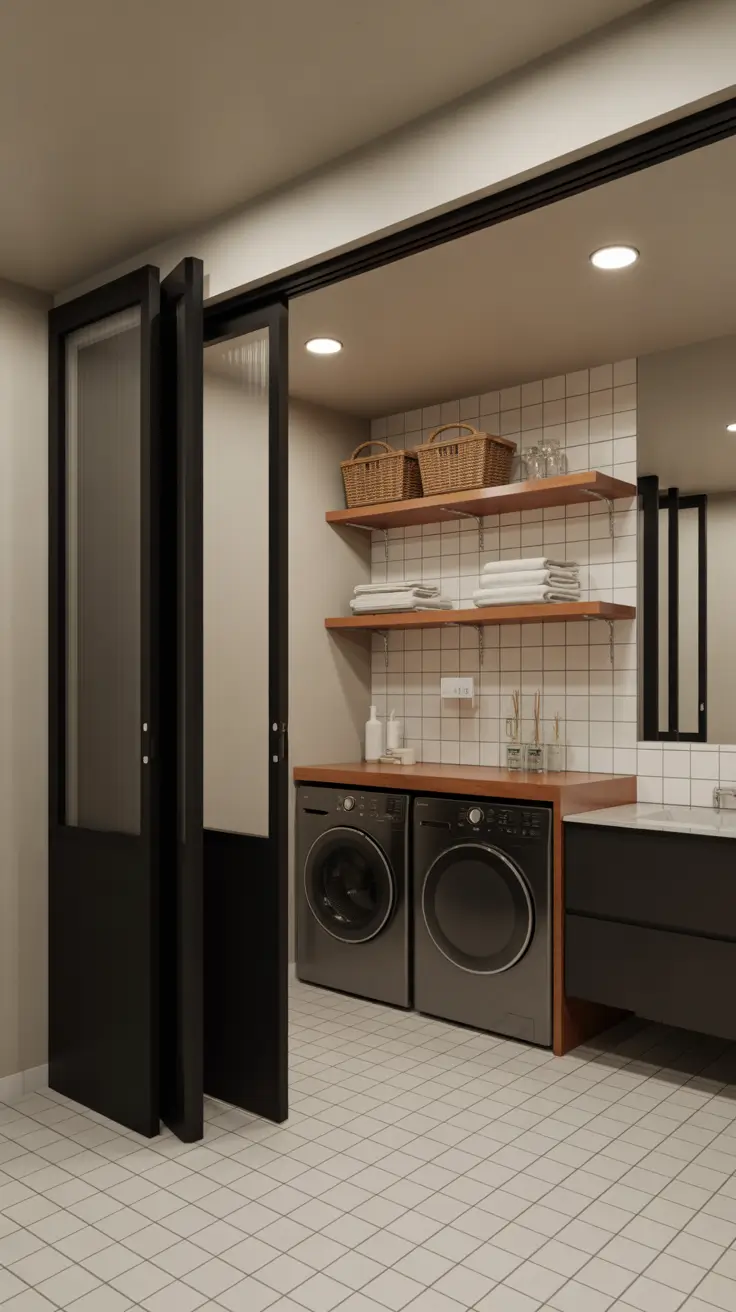
Bold Black Vanities: Making a Statement in Basement Bathrooms
Black vanities serve as striking focal points in basement bathrooms, especially in windowless or low-ceiling spaces. Paired with light walls and expansive mirrors, they balance contrast without darkening the room. Floating designs reveal more floor area, enhancing spaciousness. I favor slab drawer fronts with built-in pulls and quartz countertops featuring rectangular undermount sinks. Wall-mounted faucets free up counter space, while tall medicine cabinets with integrated lighting provide practical storage. Light gray porcelain floors with subtle stone patterns and stacked ceramic tile backsplashes complete the look.
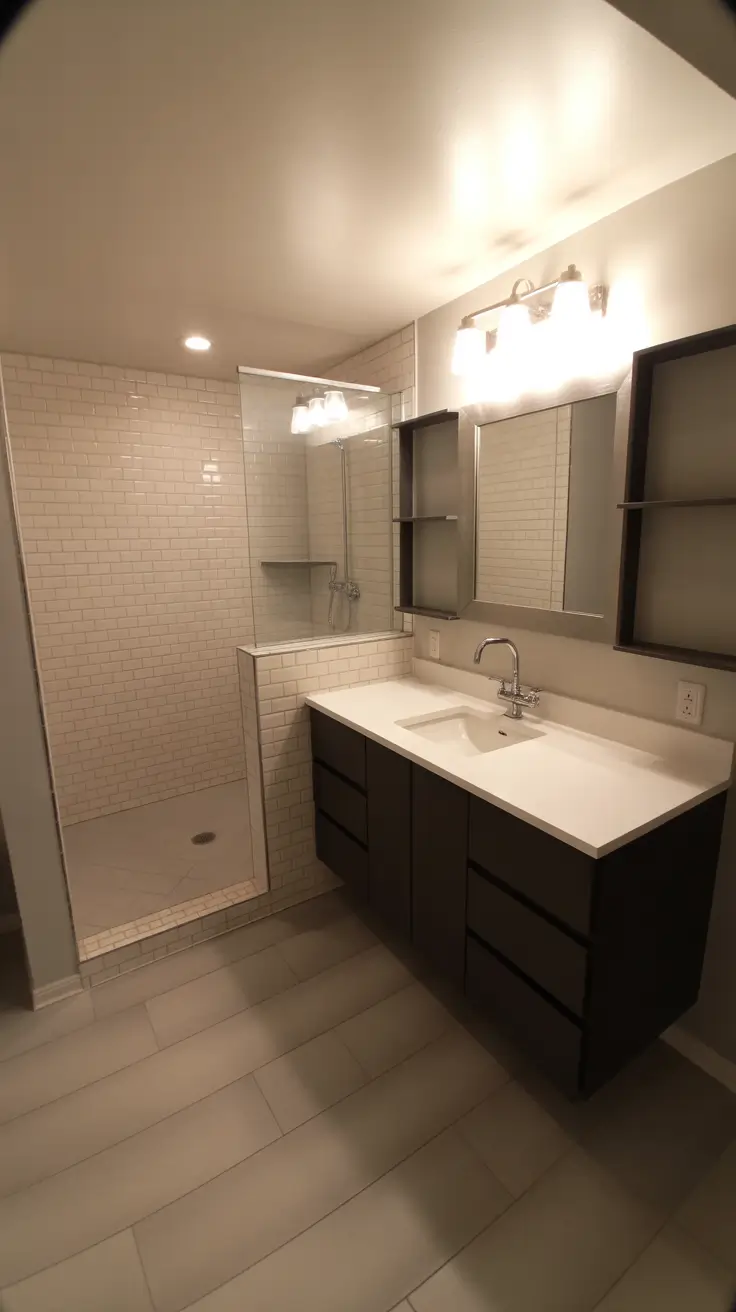
2026’s Modern Basement Bathroom Trends: Clean, Functional, and Inviting
Contemporary basement bathrooms emphasize clean lines, integrated storage, and materials that brighten subterranean spaces without feeling sterile. Walk-in showers with clear glass panels preserve sightlines, while small alcove tubs with glass screens maximize usability. Multi-layered lighting and silent, efficient ventilation systems ensure comfort and air quality. Wall-hung toilets and floating vanities in warm wood tones balance modern aesthetics with practicality. Large-format porcelain tiles reduce grout lines, making small layouts appear more expansive. Vertical storage between studs optimizes space, and subtle textures or bath-rated wallpaper add visual interest.
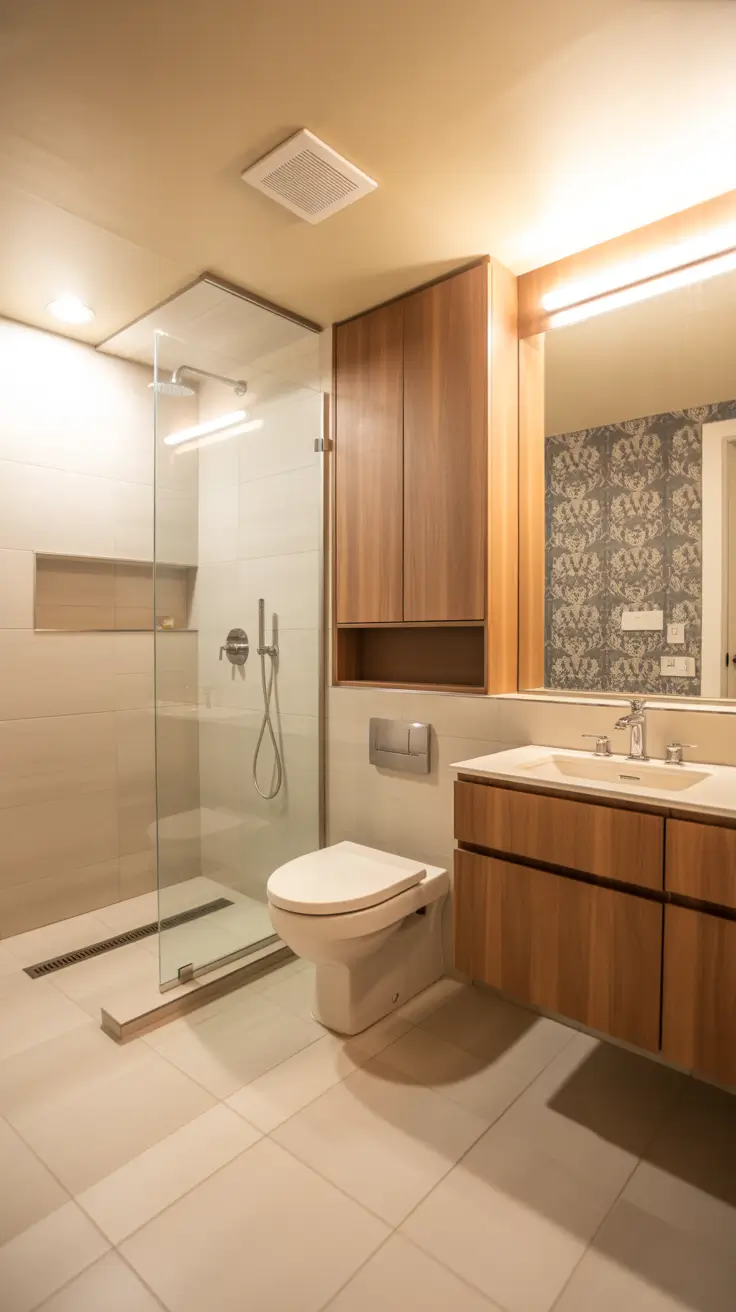
Embracing Moody Palettes for Sophisticated Basement Bathrooms
Deep, saturated colors create intimate, club-like atmospheres ideal for basement bathrooms. Dark porcelain tiles or painted wainscoting paired with walnut or black vanities add richness. Fluted sconces and minimal hardware maintain elegance without clutter. Charcoal herringbone floor tiles provide subtle patterning, while frameless shower screens prevent visual division. Layered lighting-including soft ceilings, task lights, and night glows-ensures functionality and ambiance. Ventilation tailored for windowless spaces keeps air fresh, and dimmers allow mood adjustments from bright mornings to relaxing evenings.
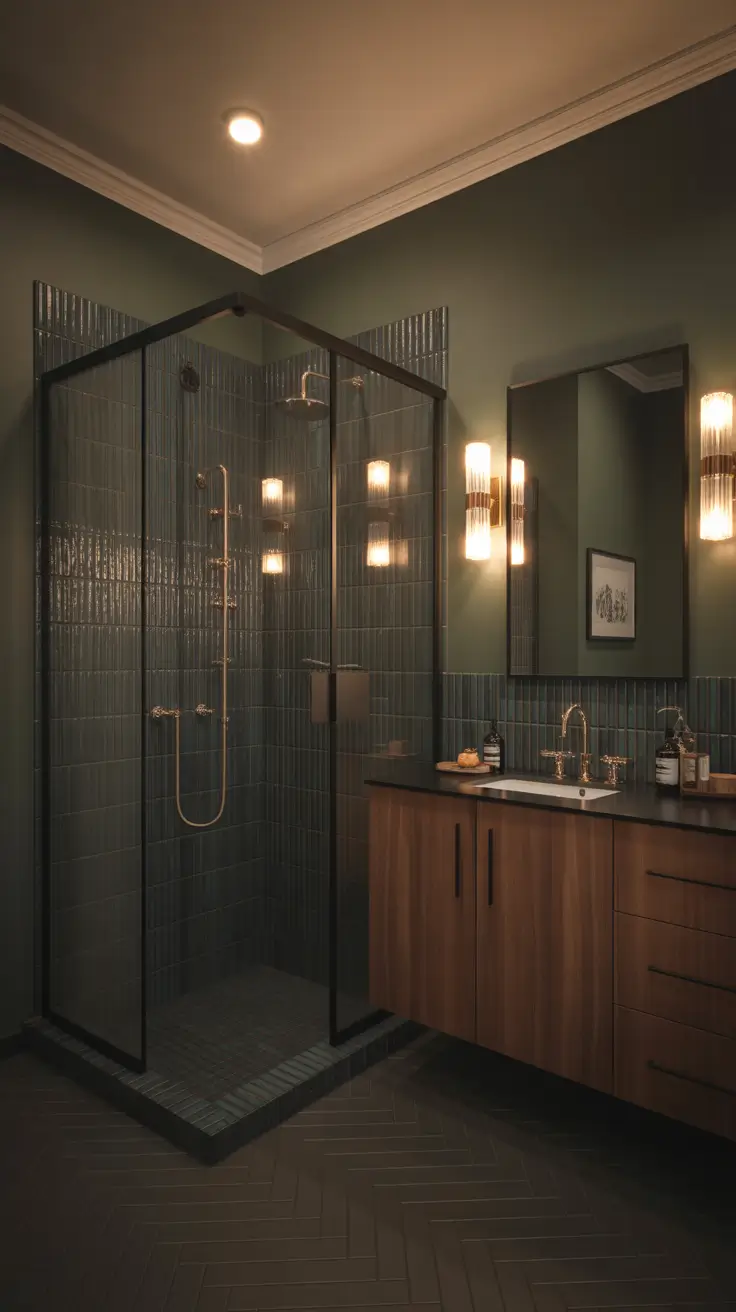
Refreshing Green Accents to Invigorate Basement Bathrooms
Green hues bring a breath of fresh air to basement bathrooms, evoking nature and tranquility. Combining mid-tone greens like sage or eucalyptus with white or light stone maintains brightness in windowless rooms. Painted beadboard, green tile wainscots, and natural oak vanities create a cohesive look. Low-light plants such as ZZ plants or pothos thrive on high shelves, adding life without maintenance. Brushed nickel or matte black hardware complements the palette, while textured shower curtains or clear panels adapt to the presence of tubs.

Rustic Farmhouse Charm for Cozy Basement Bathrooms
Rustic farmhouse styles in basements emphasize authentic materials and clean lines to avoid a theme-park feel. White or cream walls with waterproof shiplap or beadboard add texture and durability. Natural wood vanities and shelves warm the space against masonry backdrops. Black accents on mirrors, faucets, and hardware unify the design. Durable porcelain tiles resembling stone or brick enhance the farmhouse vibe. Practical storage solutions and minimal distressed finishes keep the room fresh and inviting.
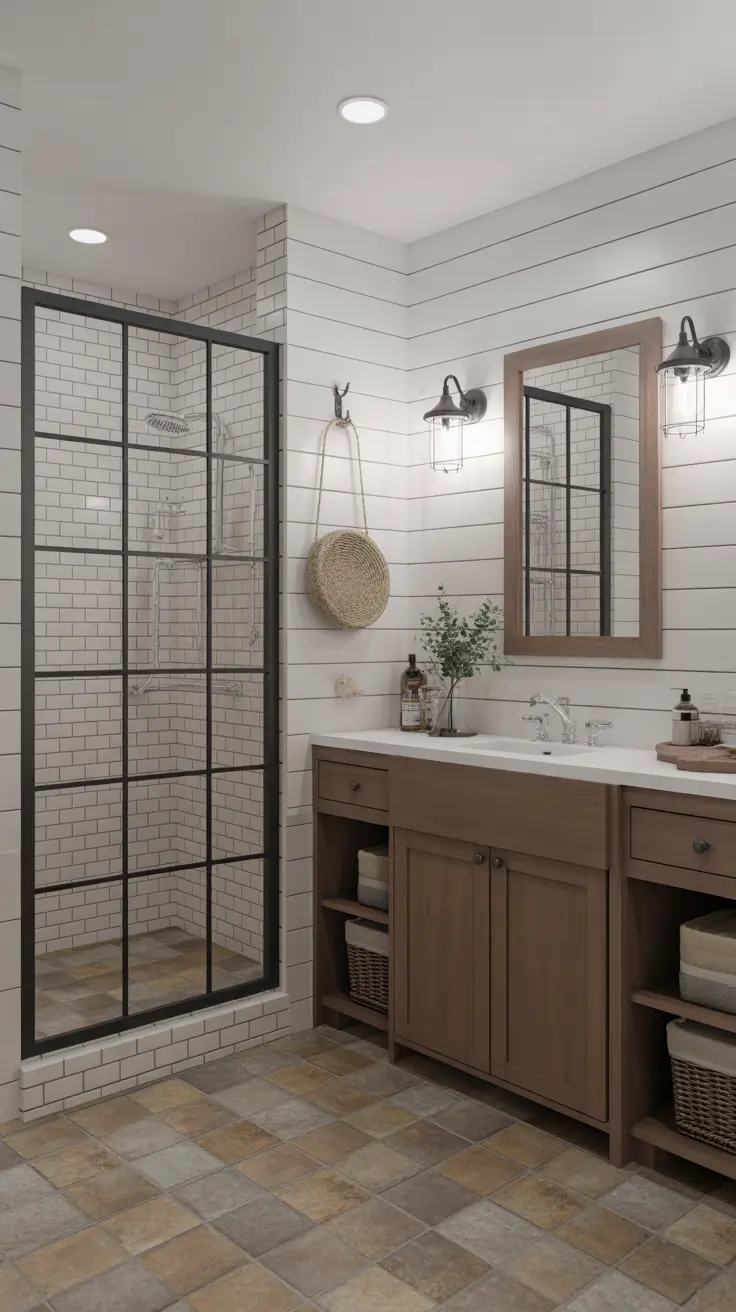
Maximizing Small and Budget-Friendly Basement Bathrooms
For compact, cost-effective basement bathrooms, I focus on maximizing impact per square foot with finishes that feel custom rather than temporary. Light walls, large porcelain tiles resembling stone, and frameless mirrors amplify space and light. Shallow vanities and pocket or barn doors preserve circulation. Small one-piece toilets and corner showers with clear glass reduce visual clutter. Black vanities or matte black hardware add drama without overwhelming. Storage is optimized with recessed medicine cabinets, slim towers, and hooks instead of bars. Quiet, humidity-sensing exhaust fans maintain air quality.

Transforming Unfinished Basements into Stylish Bathrooms
Converting unfinished basements with exposed joists and cinder block walls requires establishing a solid, moisture-controlled envelope first. Insulating walls, installing subfloors, and framing soffits for ducts create comfortable, noise-reduced spaces. Aligning fixtures with existing drains keeps costs down. Ambient and task lighting layers brighten windowless rooms. Large-format porcelain tiles minimize grout lines, while black vanities add graphic interest. Combining modern and rustic elements with matte black or brushed brass hardware conceals the room’s origins and elevates its style.
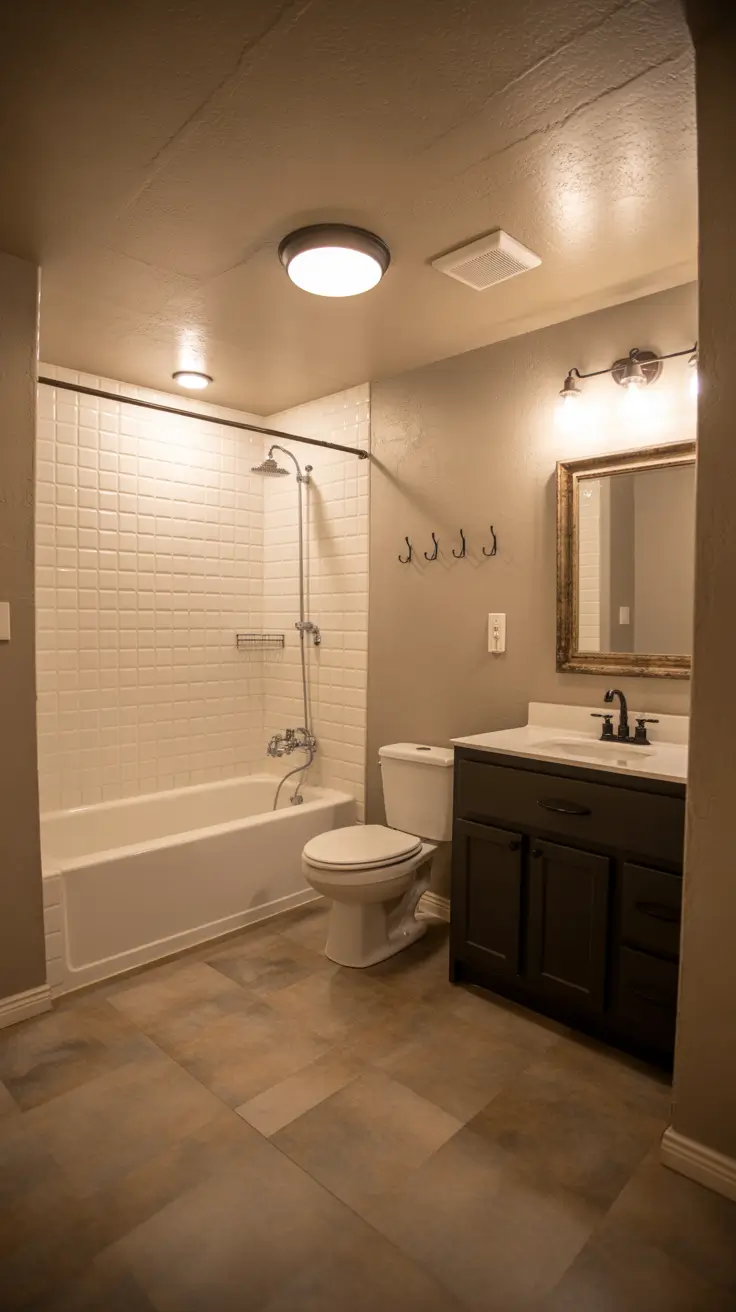
Creative Use of Cinder Block Walls in Basement Bathrooms
Cinder block walls can be transformed from a challenge into a design asset by controlling moisture and applying smooth, durable finishes. Waterproofing, masonry primers, and furring strips prepare surfaces for tile or composite panels. Surface-mounted LED lighting preserves headroom in low ceilings. Industrial touches like exposed copper or black powder-coated pipes become intentional design features. Large porcelain tiles with stone or terrazzo looks add texture and scale variation. Acoustic panels disguised as artwork reduce echo, while heated towel rails add warmth and luxury.
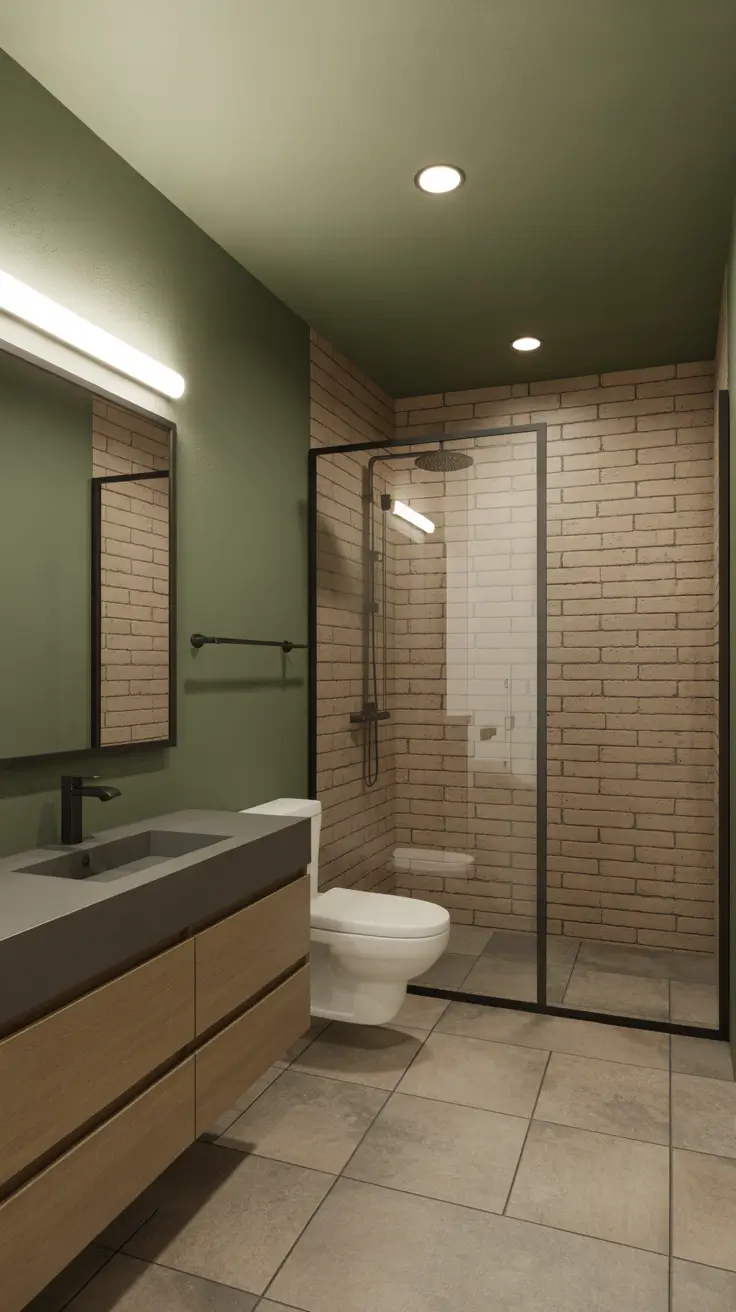
Combining Style and Function in Basement Bathroom and Laundry Room Combos
Designing combined basement bathrooms and laundry rooms requires balancing multiple functions without crowding. Positioning washer and dryer on one wall and bathroom fixtures on the opposite side maintains separation. Pocket or barn doors save space, while light-reflective palettes counteract windowless darkness. Stackable machines behind acoustically lined doors reduce noise. Durable quartz countertops and porcelain floors withstand moisture. Open shelving with woven baskets adds farmhouse charm. Floor drains and waterproof baseboards provide extra protection. Task lighting, fold-up stools, and labeled bins enhance usability, while leak detectors and shut-off valves add safety.
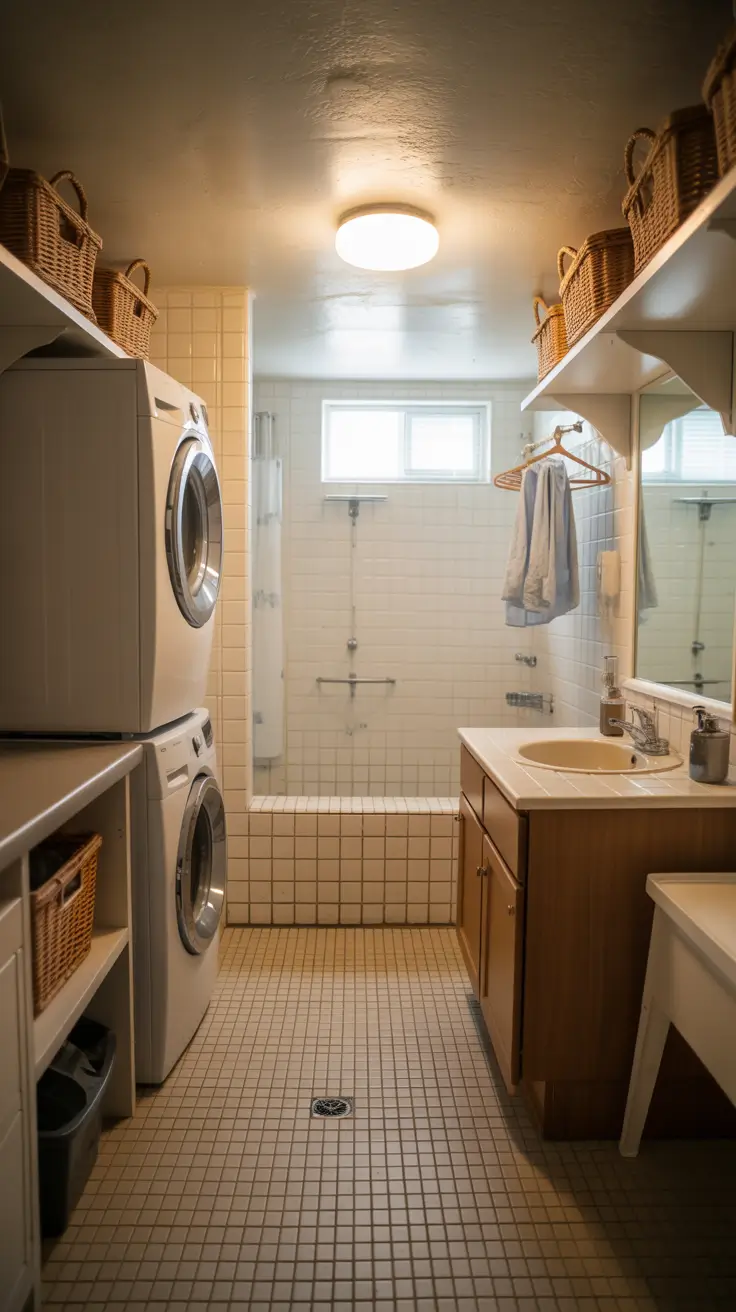
Elevating Basement Bathrooms with Elegant Black Vanities
Black vanities bring sophistication and style to basement bathrooms, especially when paired with light walls and large mirrors to maintain brightness. Furniture-style vanities with inset drawers and durable quartz tops offer both beauty and practicality. Coordinating black faucets, mirror frames, and shower hardware create a cohesive look softened by natural wood accents. Double mirrored medicine cabinets with integrated lighting maximize storage in windowless spaces. Matte finishes prevent water spot visibility, and layered lighting ensures flattering illumination. Accessories like wall-mounted backsplash ledges and drawer organizers enhance functionality.
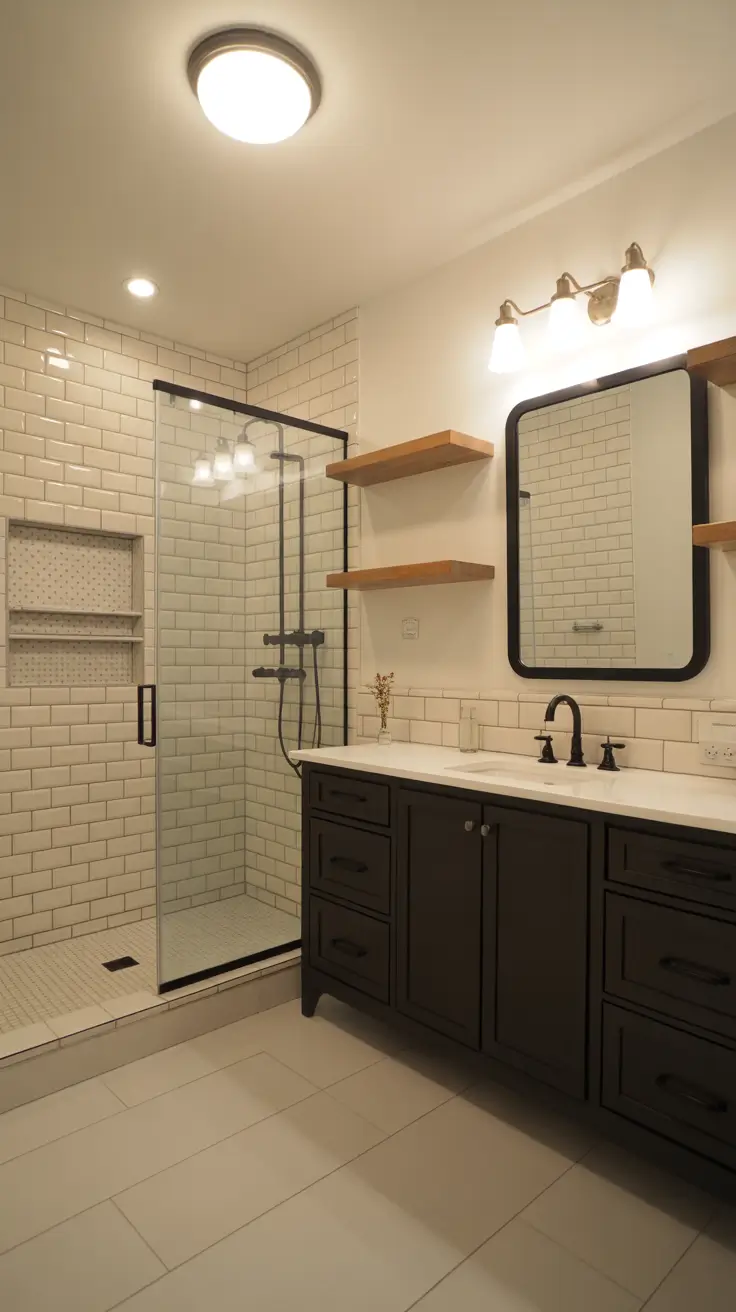
Full Basement Bathroom Layouts for Maximum Comfort and Style
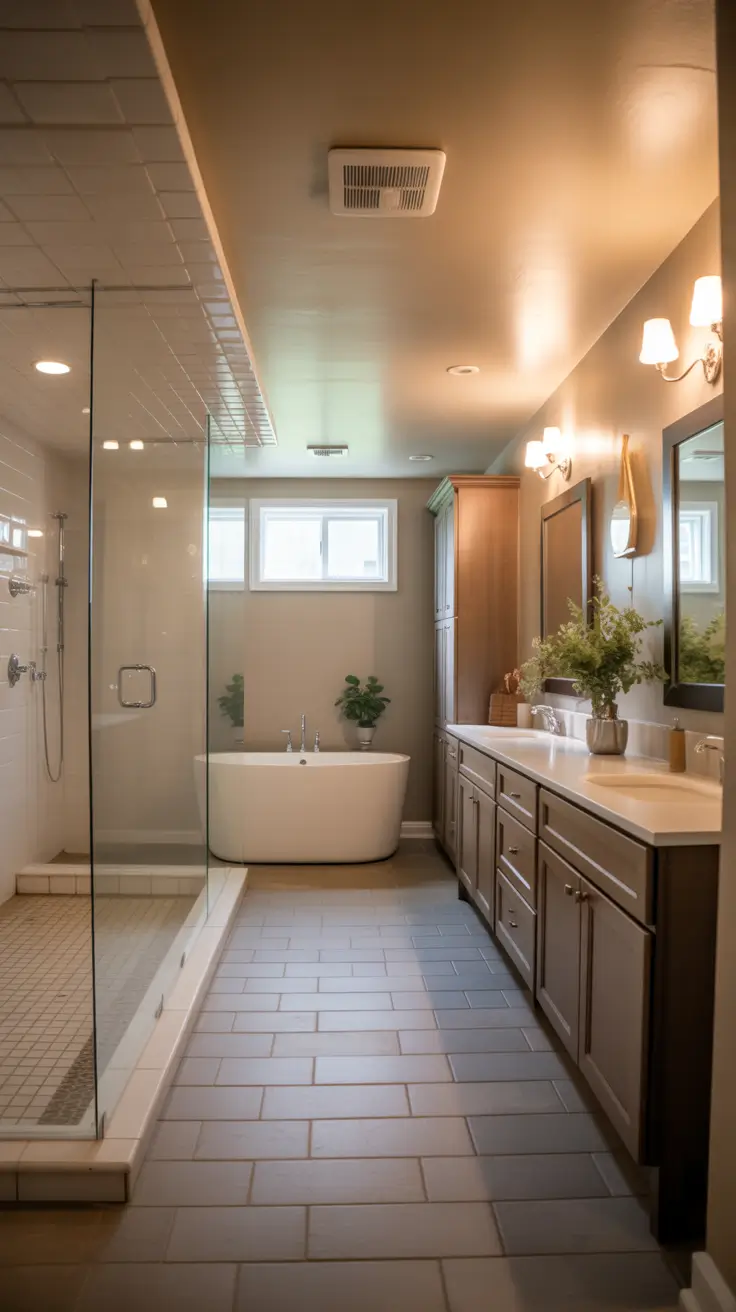
Spacious basement bathrooms benefit from thoughtful zoning of wet and dry areas, generous aisle widths (minimum 36 inches), and clear sightlines. Dropped soffits conceal plumbing and visually define showers. Freestanding tubs and curbless showers with fixed glass panels enhance openness and ease of cleaning. Radiant floor heating and layered lighting-including recessed ceiling lights and mirror-integrated LEDs-create comfort and ambiance. Large-format porcelain tiles with low sheen reduce grout visibility. Built-in linen cabinets and open shelving provide ample storage. Motion-activated night lights and floor leveling ensure safety and durability.
Wallpaper Ideas to Add Personality and Warmth
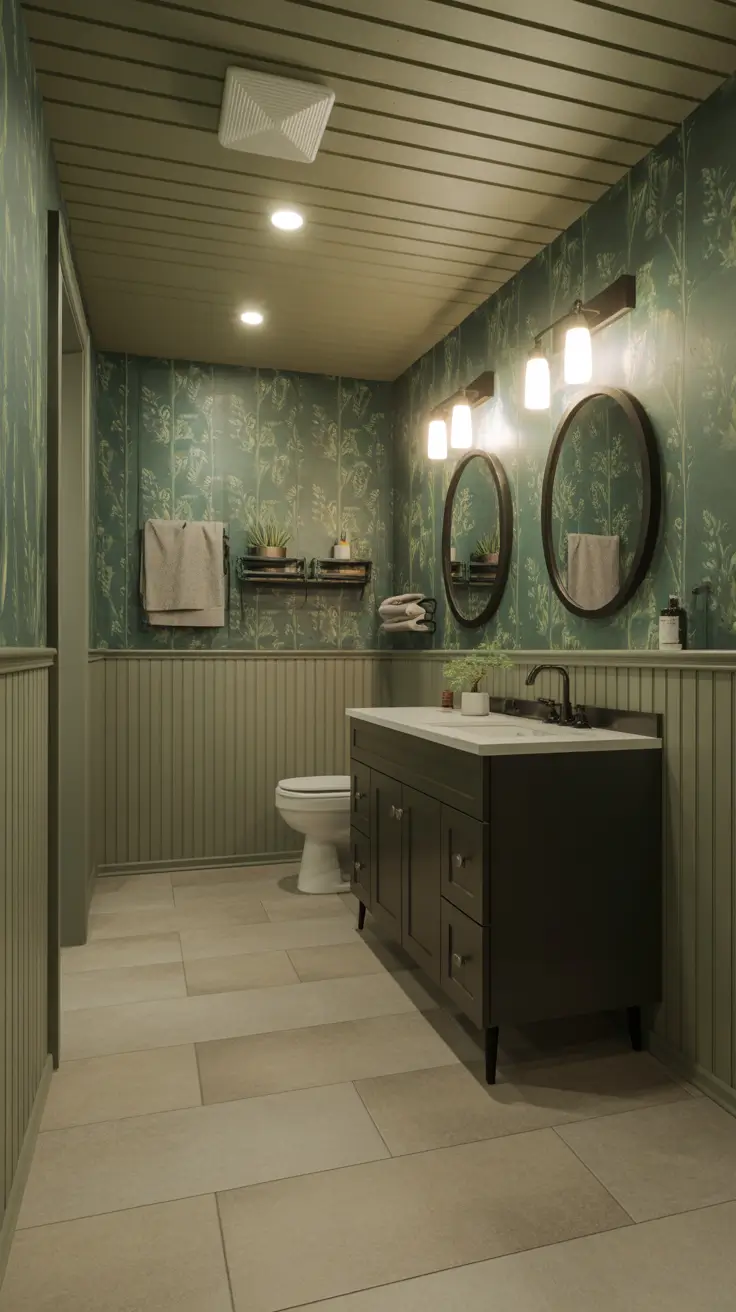
Wallpaper is a quick way to inject character into windowless basement bathrooms. Moisture-resistant vinyl-backed or scrubbable wallpapers with vertical patterns or grasscloth textures visually elongate walls and soften acoustics. Peel-and-stick options allow budget-friendly experimentation. Botanical prints energize, soft stripes suit modern farmhouse styles, and moody murals add drama to powder rooms. I recommend applying wallpaper outside splash zones and pairing with simple framed mirrors and minimal hardware. Proper ventilation and mildew-resistant primers extend wallpaper longevity.
Adding Whimsy and Fun to Basement Bathrooms
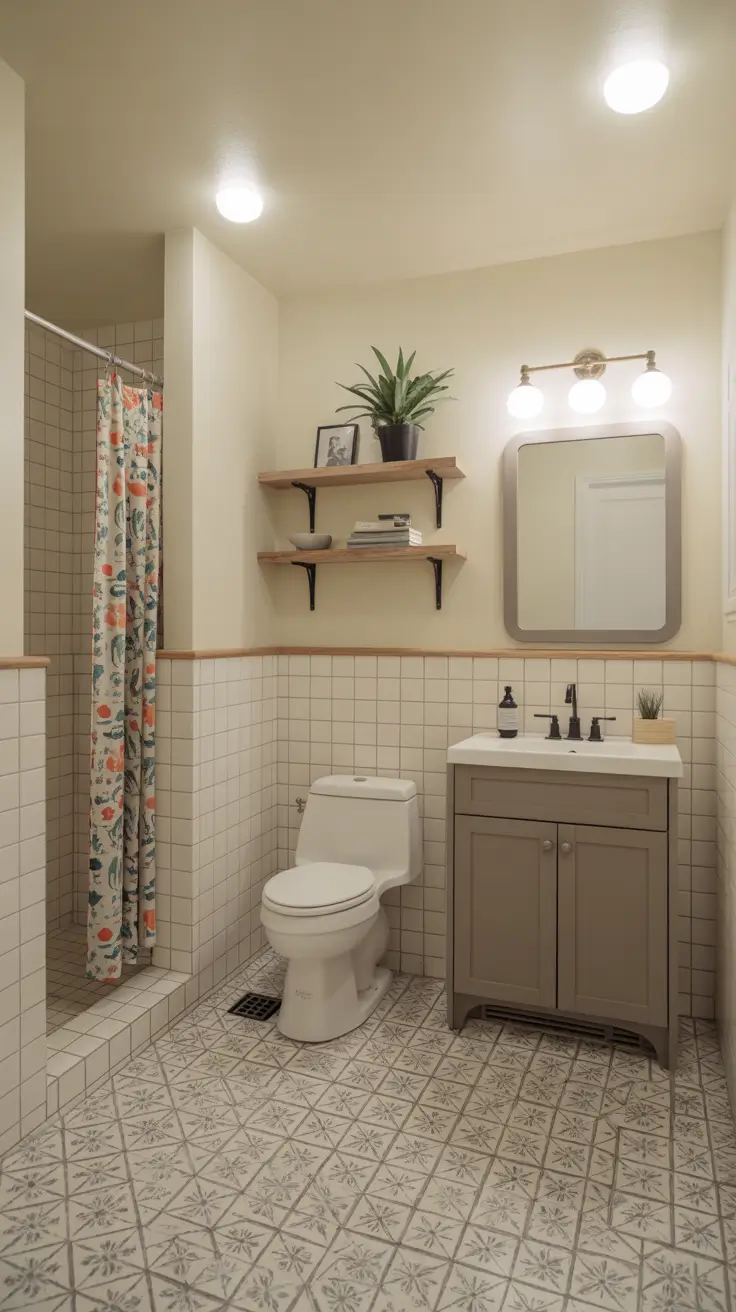
Injecting playful elements can transform a basement bathroom from gloomy to delightful. Humidity-resistant peelable wallpaper, terrazzo-look porcelain tiles, checkerboard vinyl flooring, or vibrant shower curtains add personality without overwhelming small spaces. Compact fixtures like 24- to 30-inch vanities and one-piece toilets maximize function. Matte black accents repeated in faucets, mirrors, and pulls create cohesion. Layered lighting minimizes shadows, and moisture-loving plants in self-watering pots bring life. Adhering to clearance standards and installing continuous, quiet exhaust fans ensure comfort and safety.
Essential Products for Basement Bathroom Renovations
To bring your basement bathroom vision to life, consider these top-rated essentials available on Amazon:
- Porcelain Tile – Durable, moisture-resistant flooring and wall options.
- Matte Black Vanities – Stylish focal points that complement various design themes.
- LED Vanity Lighting – Energy-efficient, warm lighting solutions for windowless spaces.
- Humidity Sensor Exhaust Fans – Maintain air quality and prevent moisture buildup.
- Luxury Vinyl Plank Flooring – Affordable, water-resistant flooring with natural looks.
Conclusion: Crafting Your Ideal Basement Bathroom in 2026
Designing a basement bathroom in 2026 involves balancing aesthetics, functionality, and the unique challenges of subterranean spaces. By thoughtfully selecting materials, optimizing layouts, layering lighting, and incorporating smart ventilation, you can create a space that feels bright, spacious, and welcoming-even without windows. Whether you prefer modern minimalism, rustic farmhouse charm, or moody sophistication, these ideas and strategies will help you transform your basement bathroom into a stylish and practical retreat that enhances your home’s value and comfort.
