
How Simplified Color Schemes Can Turn Your Home Into a Calm Retreat
Streamlined color schemes have dramatically changed the way I design my living spaces, and honestly, I wish I had embraced this transformative method much sooner.
Have you ever stepped into a room and immediately felt a wave of calm wash over you? Your body relaxes, your thoughts slow down, and the atmosphere just feels perfectly balanced? That’s the power of choosing the right color harmony.
For the longest time, I assumed minimalism meant dull, lifeless walls with no character. That couldn’t be further from the truth.
How Your Current Color Choices Could Be Disrupting Your Inner Calm
Let’s be candid: many of us unknowingly fall into the trap of color overload.
We splash a bold teal on one wall, hang deep burgundy drapes, toss in bright orange cushions, and then wonder why our homes feel more like a circus than a sanctuary.
I’ve experienced this firsthand. My living room once resembled a chaotic kaleidoscope, and I couldn’t understand why I felt restless every time I tried to unwind there.
What I realized after some trial and error: Our brains absorb every color in our environment, whether we notice it or not. When too many colors compete for attention, it creates visual clutter that translates into mental tension.
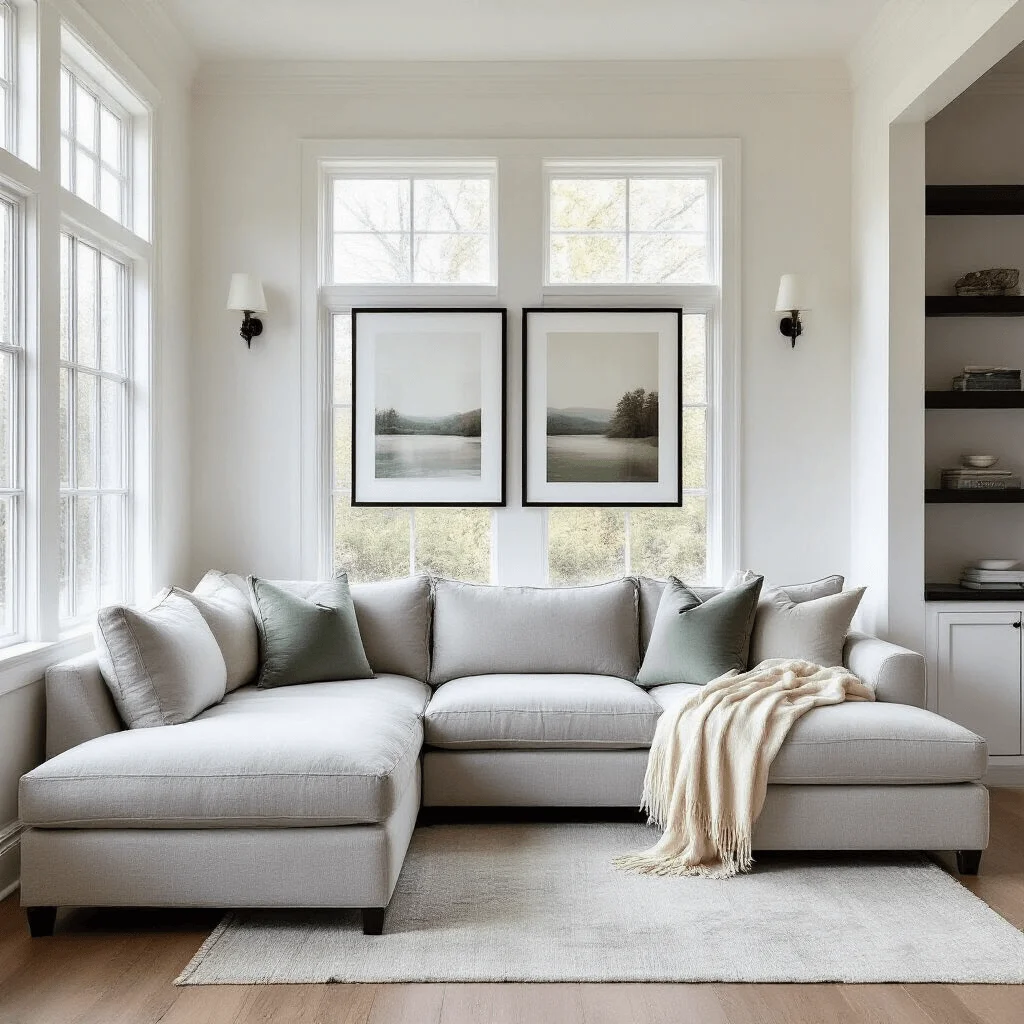
Essential Colors That Consistently Deliver Calm and Style
After many experiments and a few costly missteps, I’ve pinpointed five core colors that form the backbone of effective minimalist color palettes.
White: The Illusion of Spaciousness
White is more than just a neutral shade; it’s a master of creating openness. When I switched to white as the dominant color in my compact apartment, the space instantly felt larger and more inviting.
- Maximizes natural light reflection, making rooms appear bigger
- Provides a crisp, clean canvas for other design elements
- Timeless and adaptable to any style
Pro tip: Not all whites are identical. I once painted my kitchen with a “pure white” that turned yellowish under certain lighting, so always test samples before committing.
Black: The Elegant Contrast
Though black can seem daunting, it’s an invaluable tool for adding depth and sophistication without overwhelming the space.
I incorporate black through:
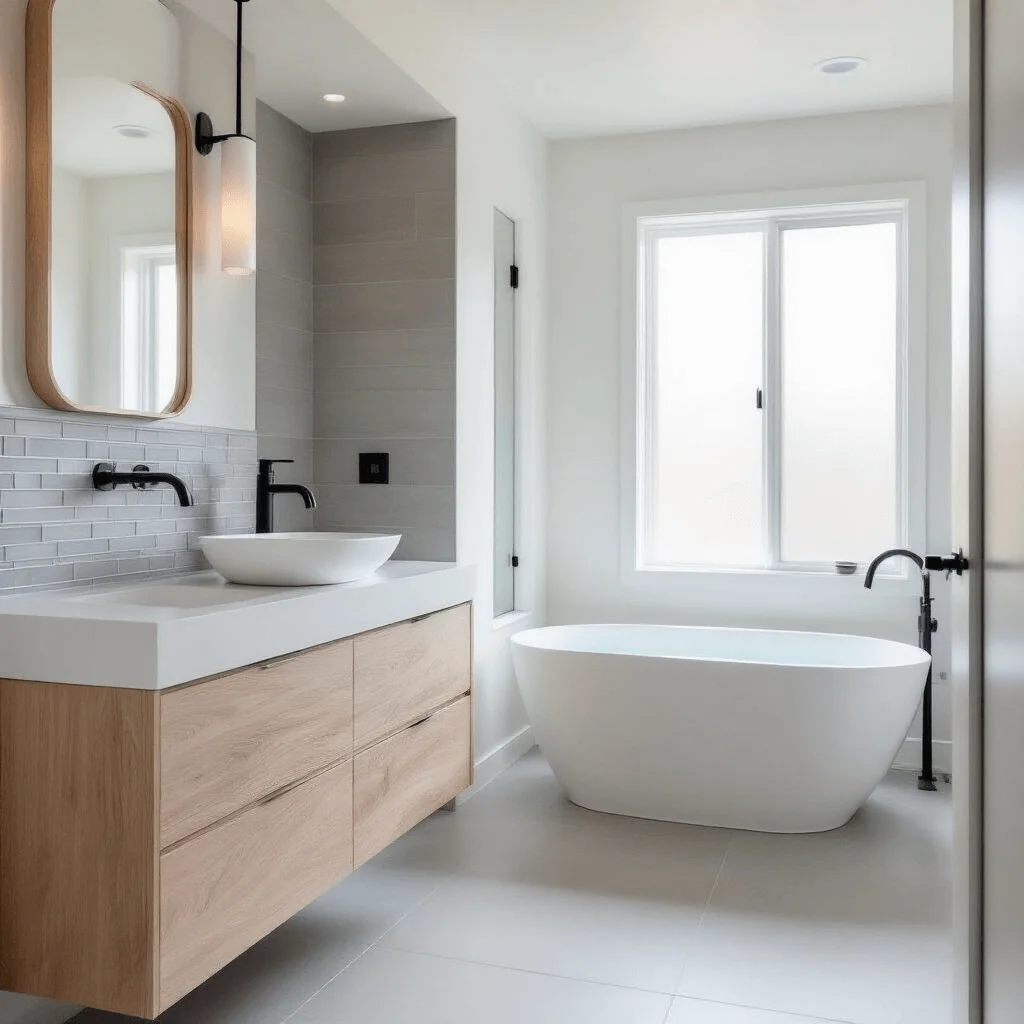
- Black window frames that highlight outdoor views
- Black cabinet handles that elevate kitchen and bathroom aesthetics
- Black picture frames that anchor artwork and décor
Gray: The Versatile Harmonizer
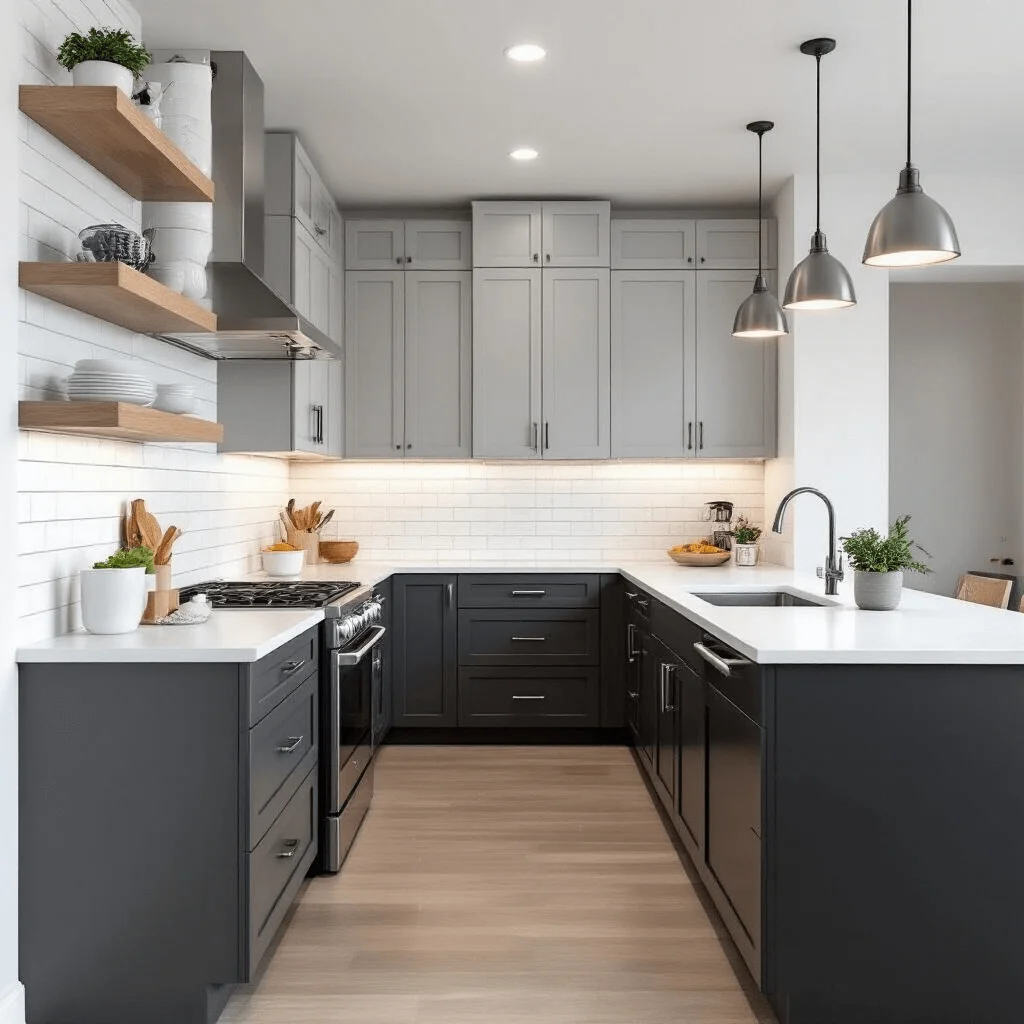
Gray acts as a neutral mediator, balancing the starkness of white and the intensity of black while offering endless styling flexibility.
- Light gray walls soften the harshness of pure white
- Medium gray accents add subtle depth without stealing focus
- Dark gray elements, like furniture legs or frames, provide grounding
Beige, Cream, and Taupe: The Cozy Neutrals
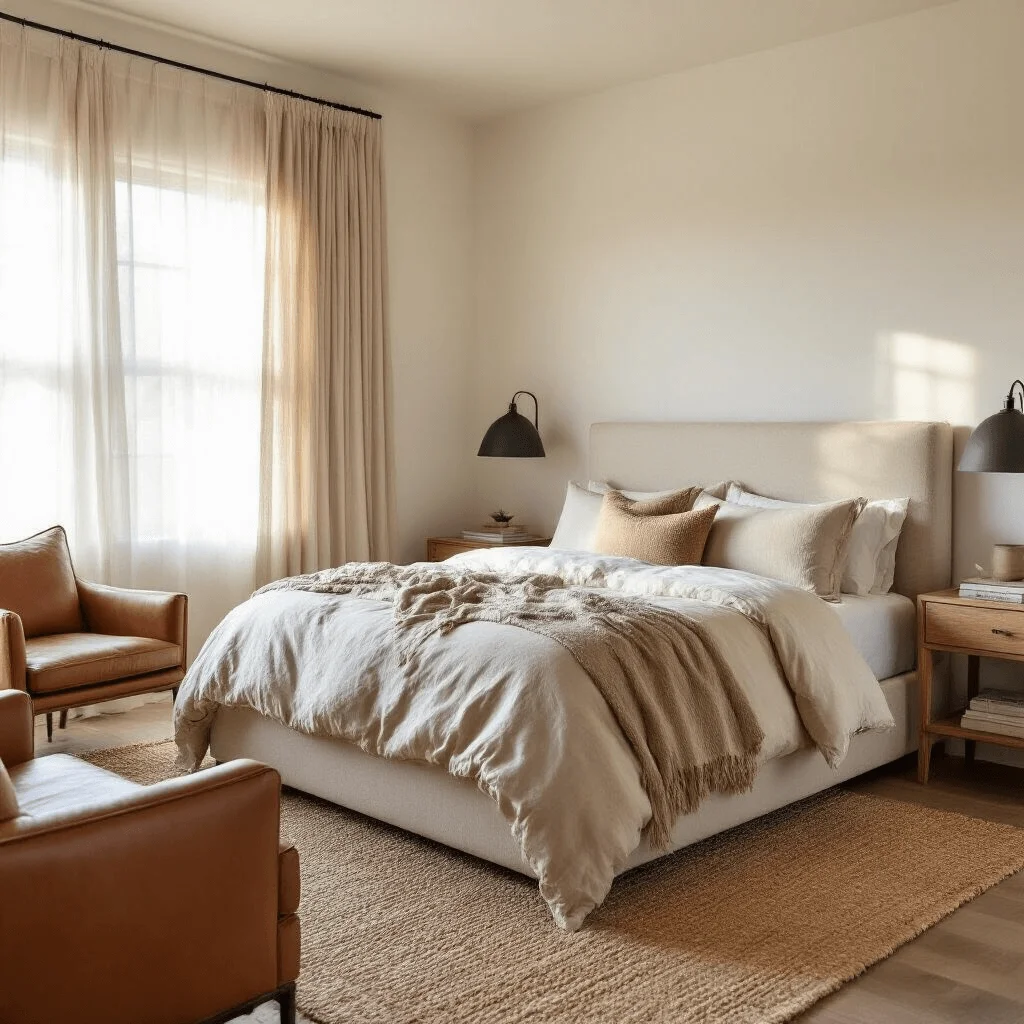
These warm neutrals prevent minimalism from feeling cold or clinical. They introduce a gentle warmth that invites comfort and relaxation.
I often use cream-colored cushions and taupe rugs to soften the edges of my mostly white and gray interiors.
Injecting Subtle Color Without Overwhelming Your Space
Many people mistakenly believe minimalism means eliminating color entirely. That’s like baking a cake without any flavor-possible, but why settle for bland?
Accent hues that complement minimalist schemes include:
- Soft muted blues that add calm without shouting
- Gentle sage greens that bring a touch of nature indoors
- Earthy browns that provide grounding warmth
I keep these accent colors to roughly 10% of the overall palette-think a single sage green throw pillow on a cream sofa rather than an entire wall painted blue.
Reliable Color Combinations That Consistently Work
Having applied minimalist principles across multiple homes, these palettes have proven their timeless appeal:
Timeless Elegance
- Main: Crisp white walls
- Secondary: Light gray furnishings
- Accent: One muted shade like sage green or soft blue
- Details: Black hardware and frames for contrast
Warm and Inviting Minimalism
- Main: Warm white or creamy base
- Secondary: Soft beiges and taupes
- Accent: Earthy brown touches
- Contrast: Charcoal gray for definition
Contemporary Monochrome
- Main: Various shades of gray from light to dark
- Secondary: Pure white for crisp contrast
- Accent: A single subtle color in small doses
- Texture: Emphasize materials over color for visual interest
Common Pitfalls to Avoid When Choosing Your Palette
Trap #1: Creating a Sterile Environment
My initial minimalist attempt felt more like a sterile office lobby than a cozy home. I overlooked the importance of warmth and personality.
Fix: Incorporate texture through natural materials like woven rugs, wooden accents, and varied fabrics to add depth without color overload.
Trap #2: Neglecting the Impact of Lighting
Colors can shift dramatically depending on the time of day and type of lighting. A gray that looks perfect in daylight might appear purple or greenish under artificial light.
Fix: Always test paint samples and fabrics in different lighting conditions before finalizing your choices.
Trap #3: Overlooking Color Flow Between Rooms
Choosing unrelated minimalist color palettes for each room can disrupt the harmony of your home’s overall design.
Fix: Plan your color scheme holistically, ensuring smooth transitions and complementary tones throughout your space.
