
Designing a Tranquil Wabi Sabi Japandi Living Room: A Journey to Calm and Authenticity
Many living rooms today feel chaotic, overcrowded, and lack personality. But what if your living space could embody tranquility, narrate your unique story, and reflect your true self? Enter the realm of Wabi Sabi Japandi design-a harmonious blend where the beauty of imperfection meets the elegance of minimalism.
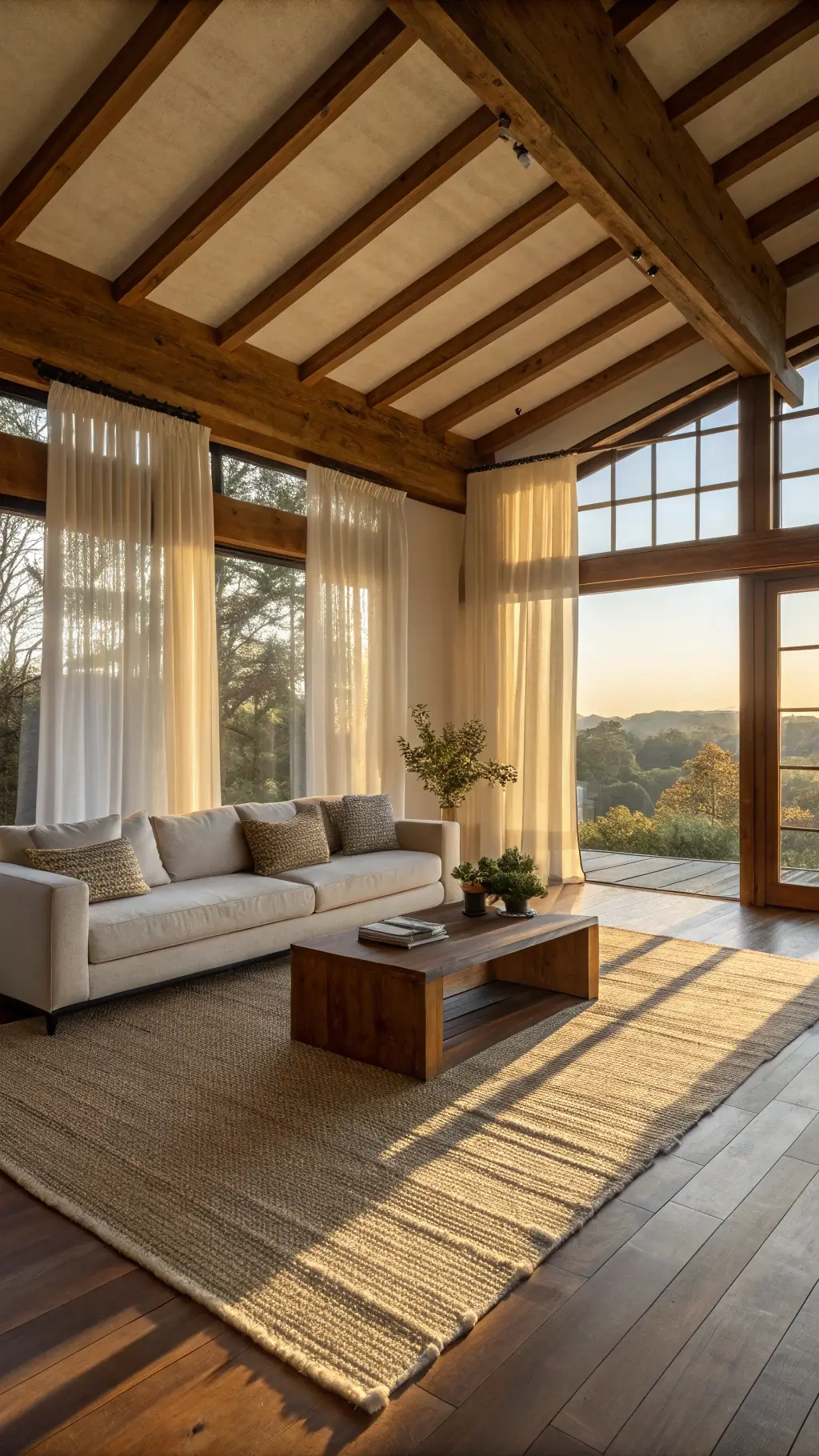
Why Choose Wabi Sabi Japandi? Crafting Your Personal Sanctuary
Picture stepping into a living room that instantly invites you to exhale deeply. Muted tones, thoughtfully selected decor, and textures that soothe rather than shout. This is the essence of Wabi Sabi Japandi, a design philosophy that fosters peace and intentionality.
Who Benefits From This Style?
- Individuals who cherish nature-inspired interiors
- Fans of minimalist aesthetics
- Those seeking mindful, purposeful living environments
- Anyone disillusioned by generic, mass-produced decor
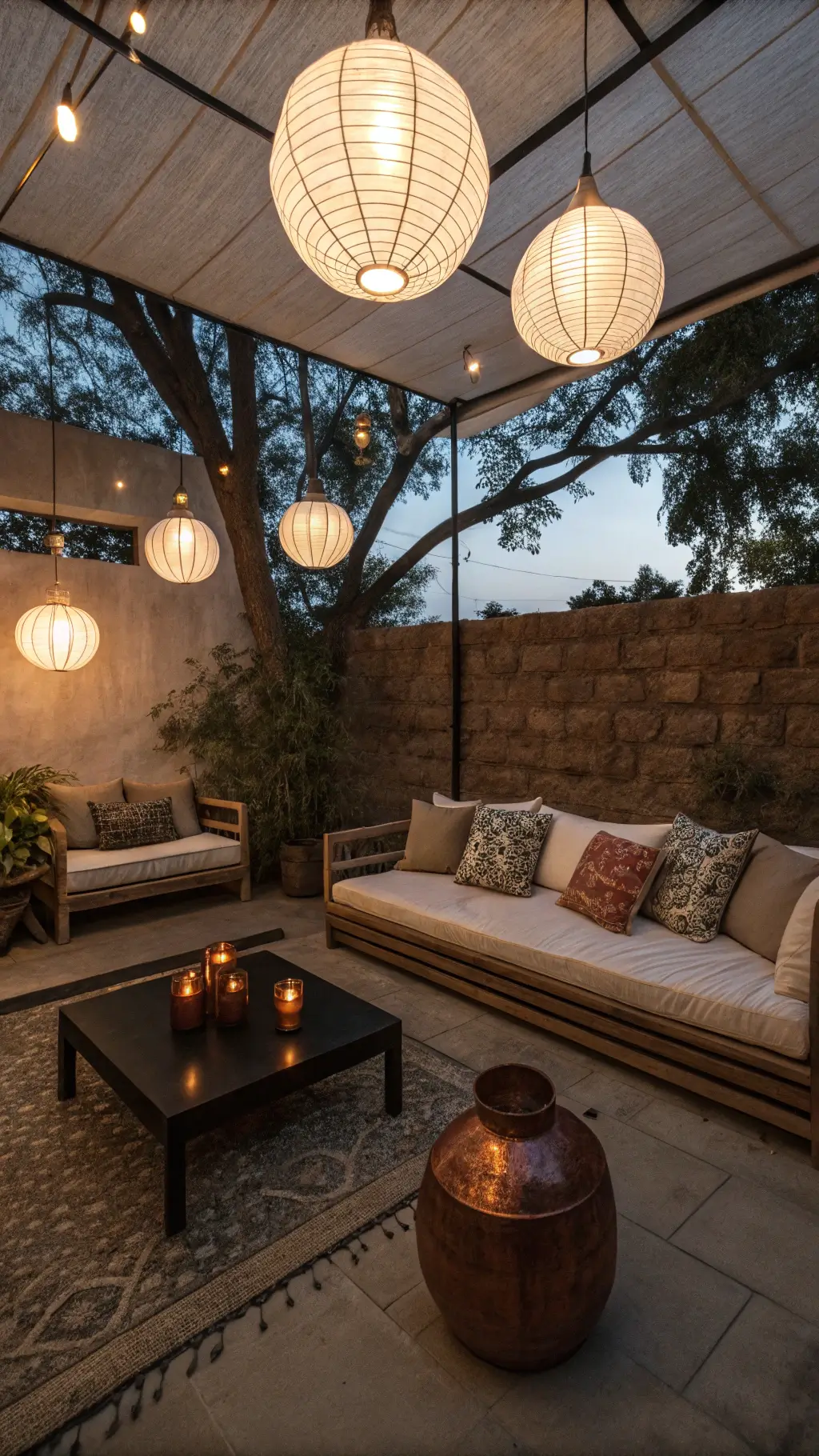
Fundamental Design Principles That Define Wabi Sabi Japandi
- Appreciate the charm of imperfection
- Prioritize natural, organic materials
- Allow spaces to breathe with intentional emptiness
- Keep designs simple yet meaningful
Key Components for Creating a Zen-Inspired Living Room
Essential Furniture Choices
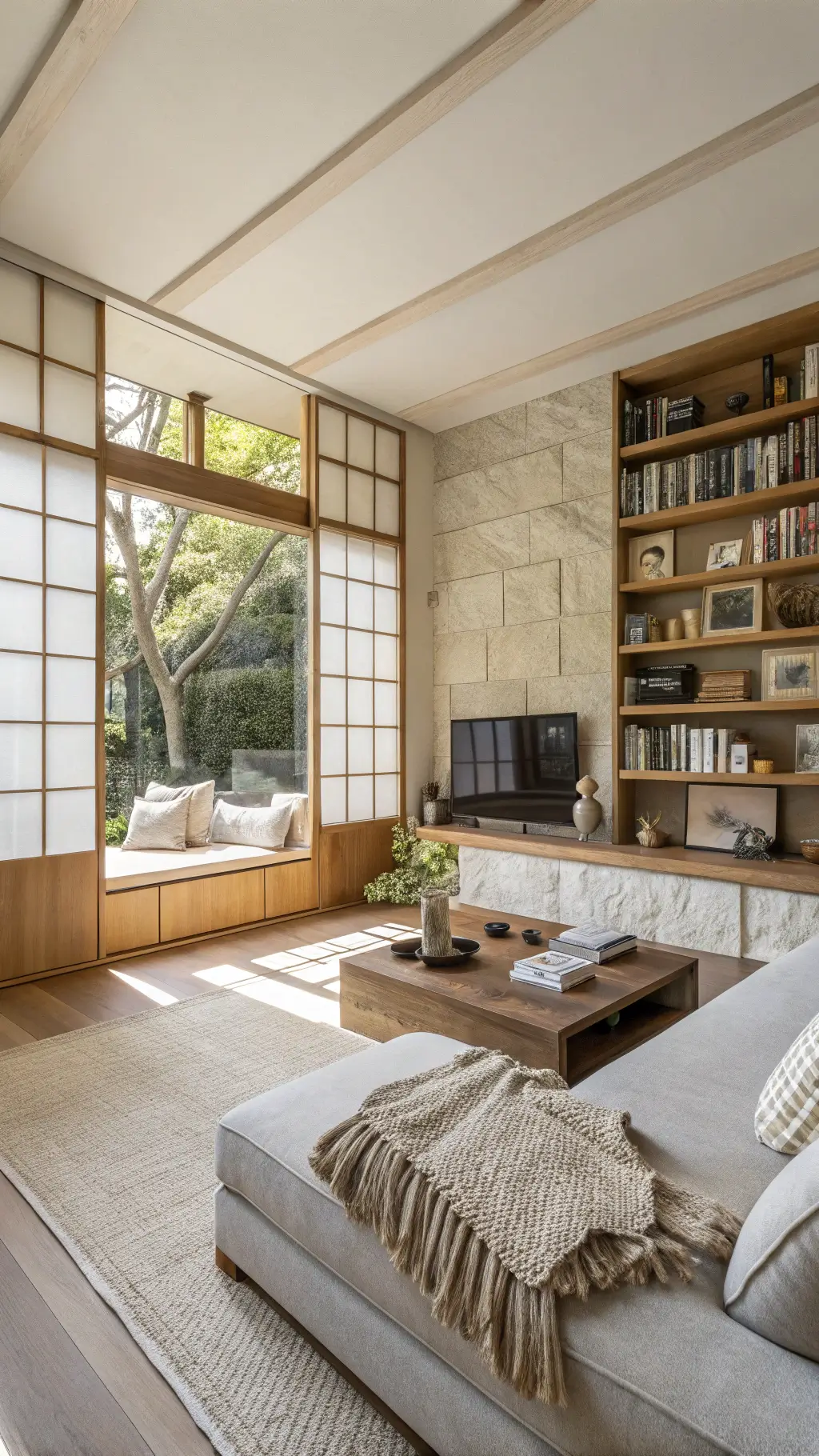
- Low-profile wooden sofas with clean lines
- Rustic coffee tables crafted from stone or reclaimed wood
- Minimalist wall-mounted shelving units
- Area rugs made from natural fibers like jute or wool
Natural Color Schemes: Soft Hues Inspired by the Earth
- Warm off-whites and creams
- Subtle shades of gray
- Rich earthy browns
- Muted olive and sage greens
- Soft charcoal accents
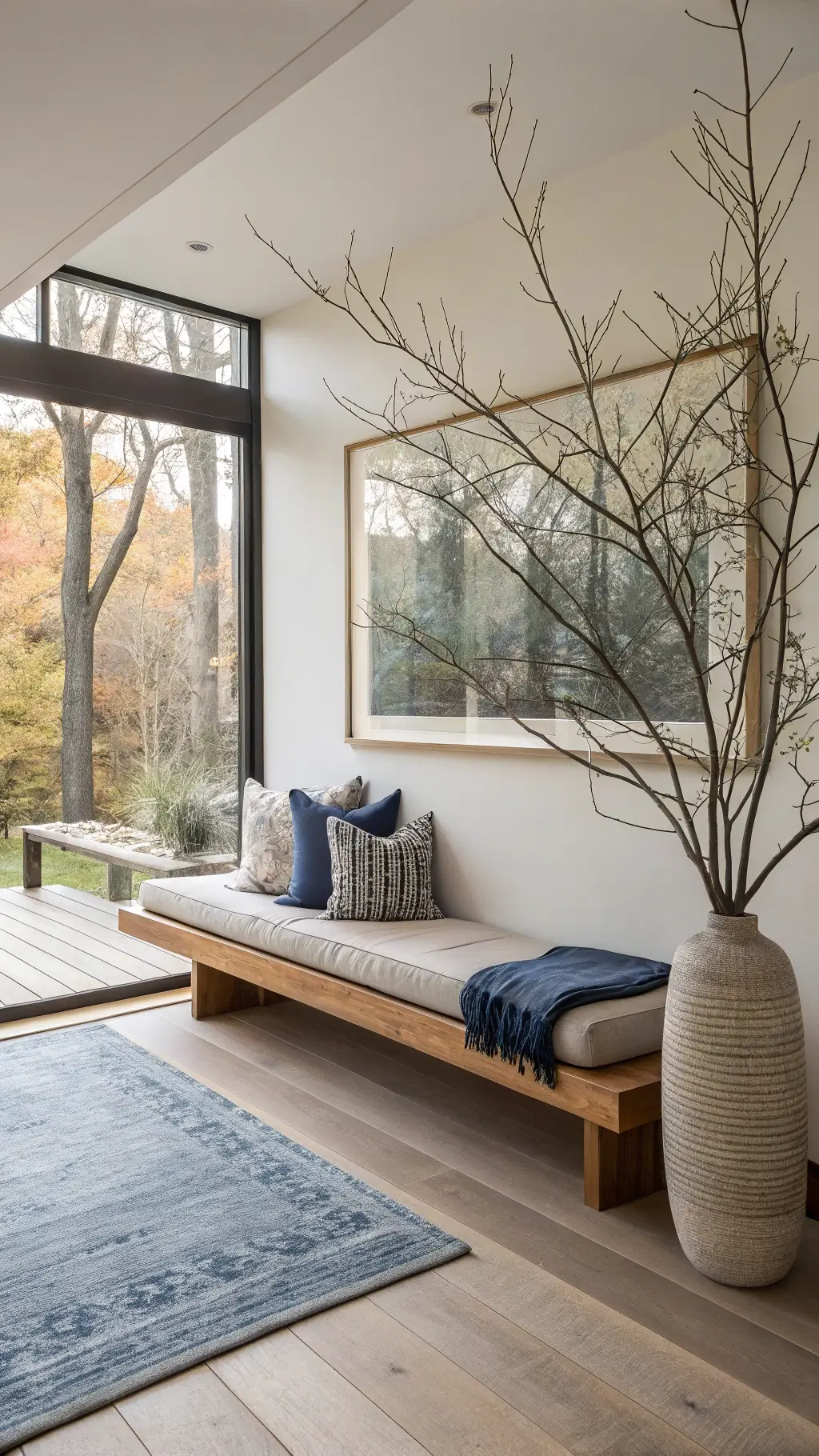
Mastering the Art of Styling: Bringing Warmth and Character to Your Space
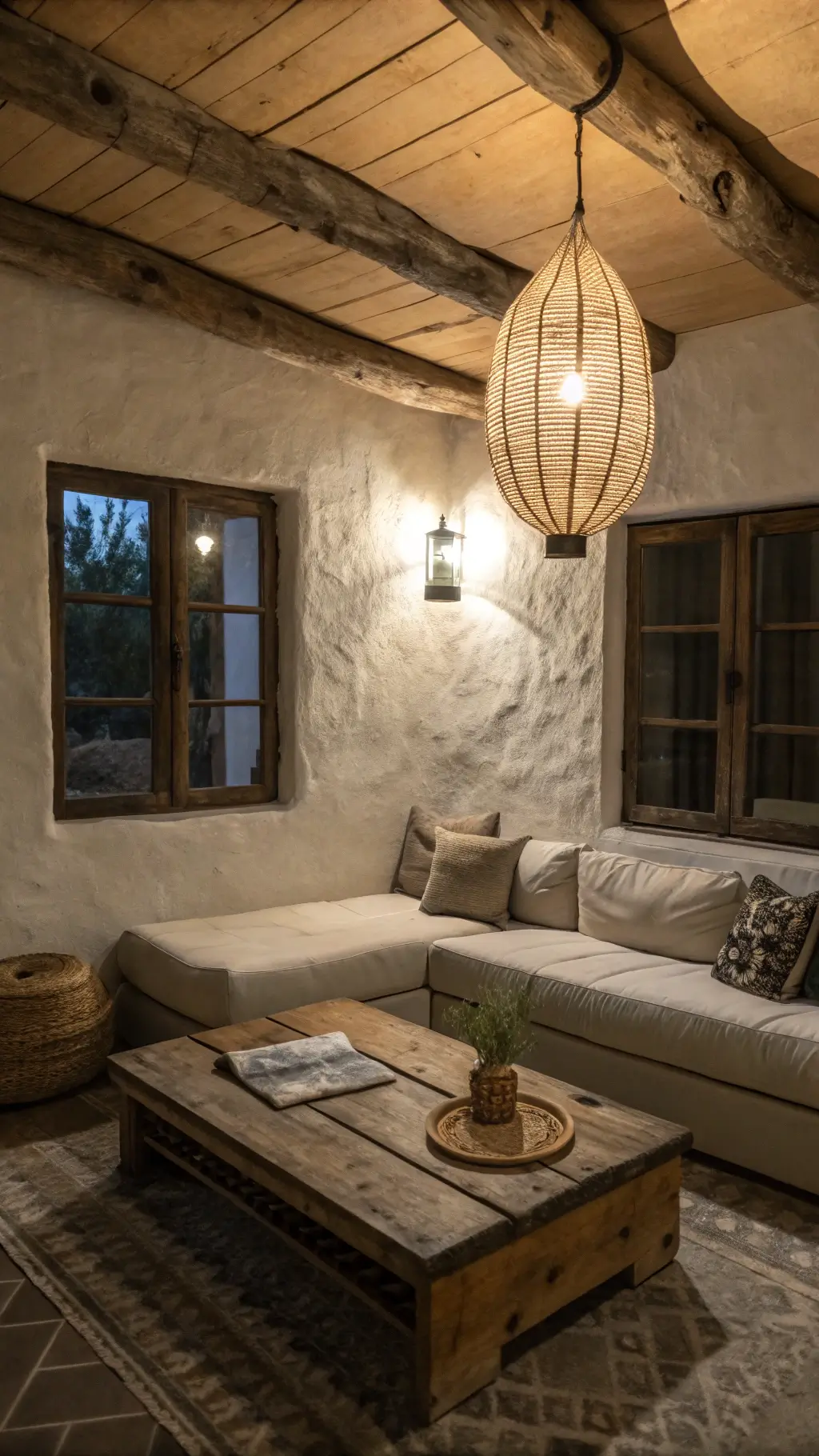
The Power of Texture in Layering
- Combine linen throws for softness
- Incorporate wool cushions for warmth
- Use raw wood accents to add organic depth
- Showcase handcrafted ceramics to highlight artisanal beauty
Expert Styling Guidelines
- Adopt a “less is more” mindset
- Ensure every piece serves a purpose
- Celebrate the natural flaws and textures of materials
Implementing Your Design Vision: Practical Steps to Transform Your Living Room
Stepwise Room Transformation
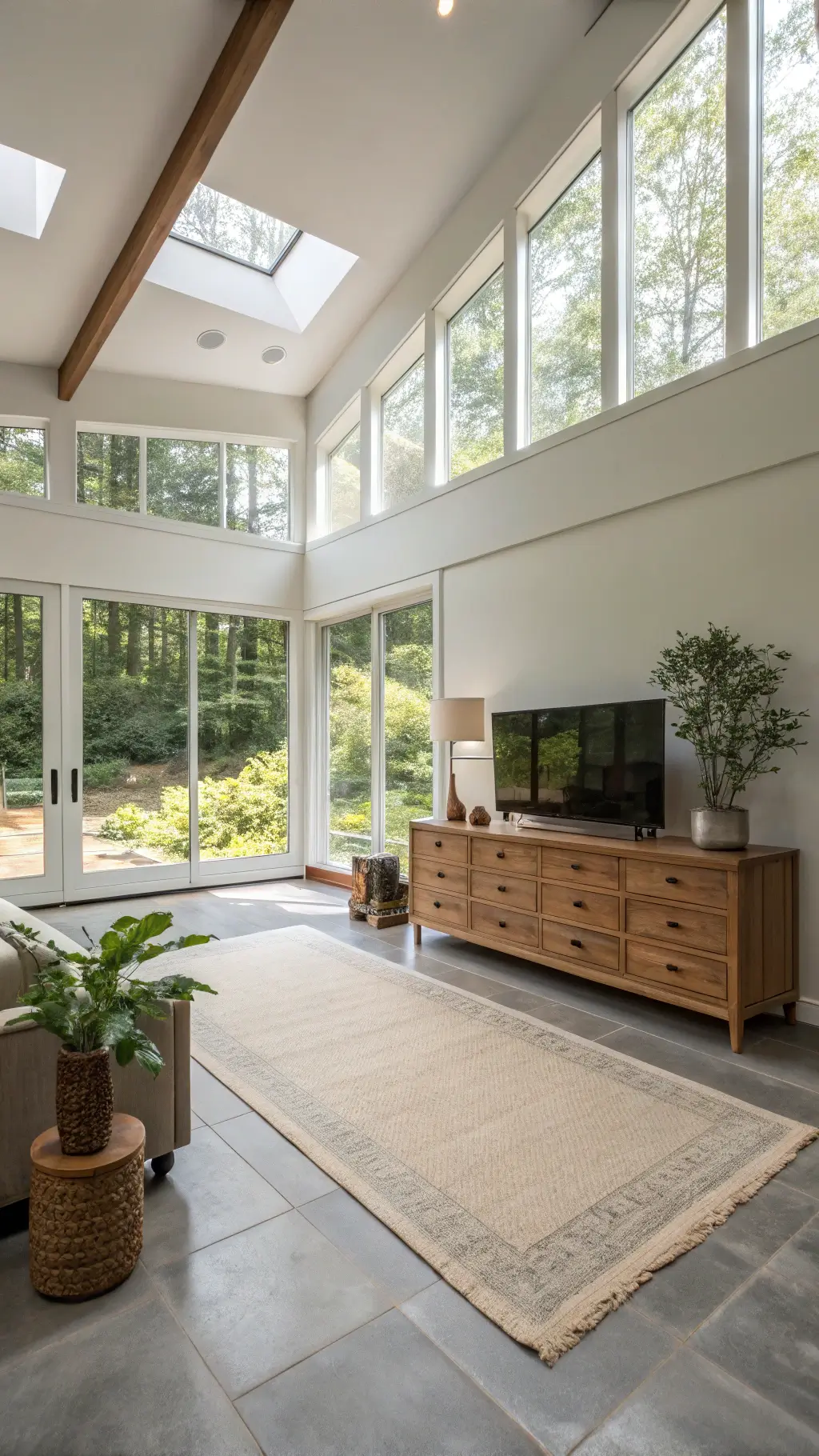
- Begin by decluttering and removing unnecessary items
- Select furniture with neutral tones and natural finishes
- Introduce organic textures through textiles and decor
- Deliberately create open spaces to allow the room to breathe
- Continuously edit and refine to maintain simplicity
Affordable Ways to Achieve the Look Without Compromise
Sourcing Smartly for Unique Finds
- Explore thrift shops for one-of-a-kind furniture and decor
- Browse online marketplaces for vintage treasures
- Support local artisans by purchasing handmade goods
- Check out specialty online vintage retailers for curated selections
Budgeting Your Project
Typical Investment Ranges:
- Entry-level: $500-$1,500
- Mid-tier: $1,500-$3,000
- Premium: $3,000-$6,000
Maintaining and Refreshing Your Space Over Time
Tips for Keeping It Fresh and Inviting
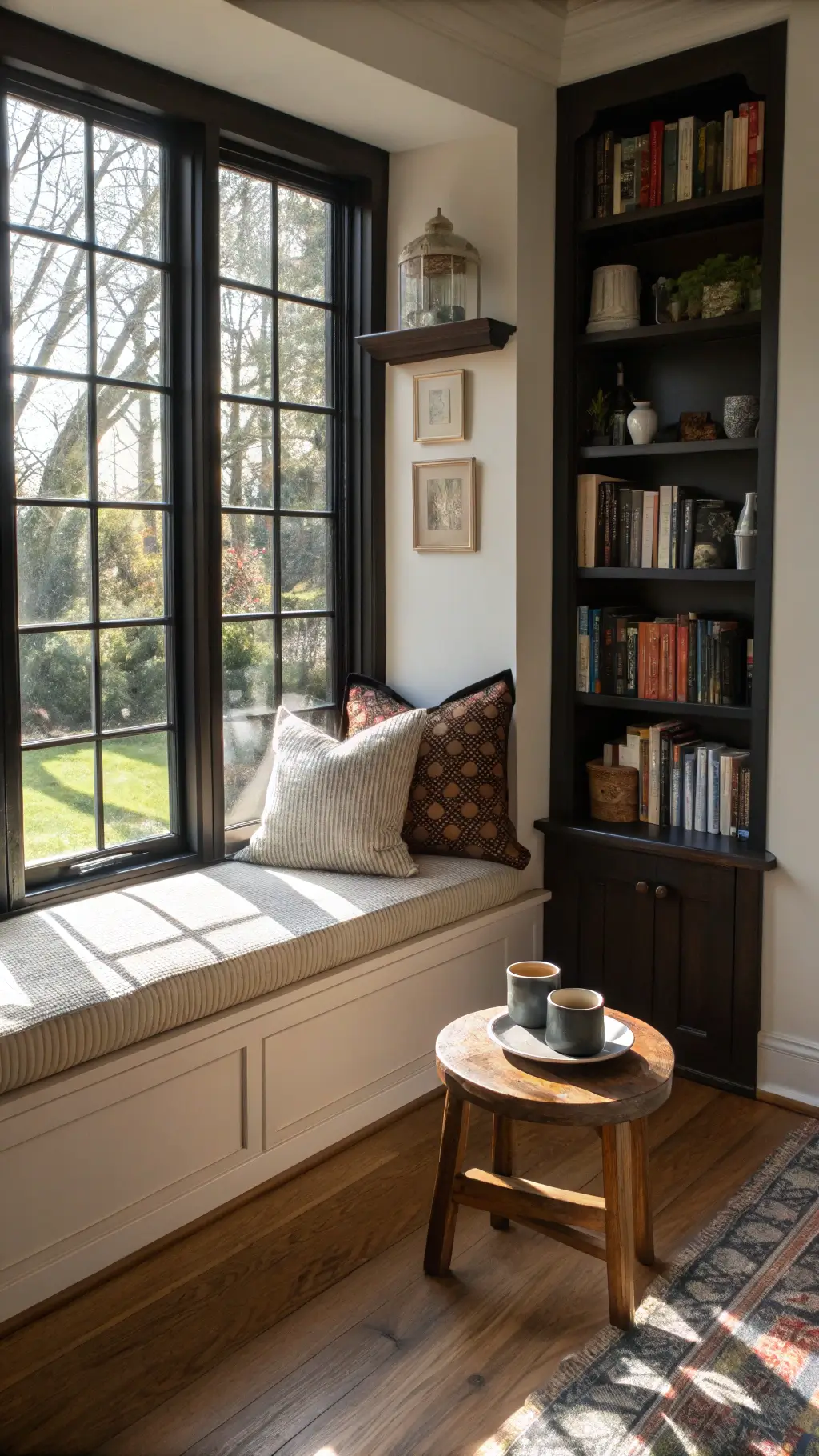
- Rotate decor items seasonally to keep the vibe dynamic
- Change out textiles like throws and cushions periodically
- Add a meaningful new piece each year to evolve your space
- Regularly clean and nurture natural materials to preserve their beauty
Avoiding Common Design Missteps in Wabi Sabi Japandi
Typical Pitfalls to Steer Clear Of
- Overfilling the room with decor, losing simplicity
- Neglecting the importance of negative space
- Opting for mass-produced, impersonal items
- Forgetting to include elements that hold personal significance
Concluding Insights: Embrace the Philosophy, Not Just the Style
Wabi Sabi Japandi transcends mere decoration-it’s a way of life. It encourages creating environments that breathe, tell your story, and foster genuine serenity.
Insider Tip: Your living room should feel like a deep, calming breath. If it doesn’t, continue refining until it does.
Pre-Design Checklist to Get Started
- [ ] Remove clutter and unnecessary items
- [ ] Select furnishings made from natural materials (natural wood furniture)
- [ ] Accept and highlight imperfections
- [ ] Design with ample breathing space
- [ ] Incorporate personal, meaningful accents (handcrafted ceramics)
Enjoy the process of creating your peaceful haven.
