
Discovering the Essence of Wabi Sabi: A Philosophy Beyond Design
Wabi sabi transcends mere aesthetic trends; it embodies a timeless Japanese worldview that honors:
- The Artistry of Flaws: The charm found in chips, cracks, and asymmetry.
- The Beauty of Natural Wear: Each mark and faded surface tells a story of time and experience.
- Minimalism Rooted in Purpose: Embracing simplicity as a path to profound elegance.
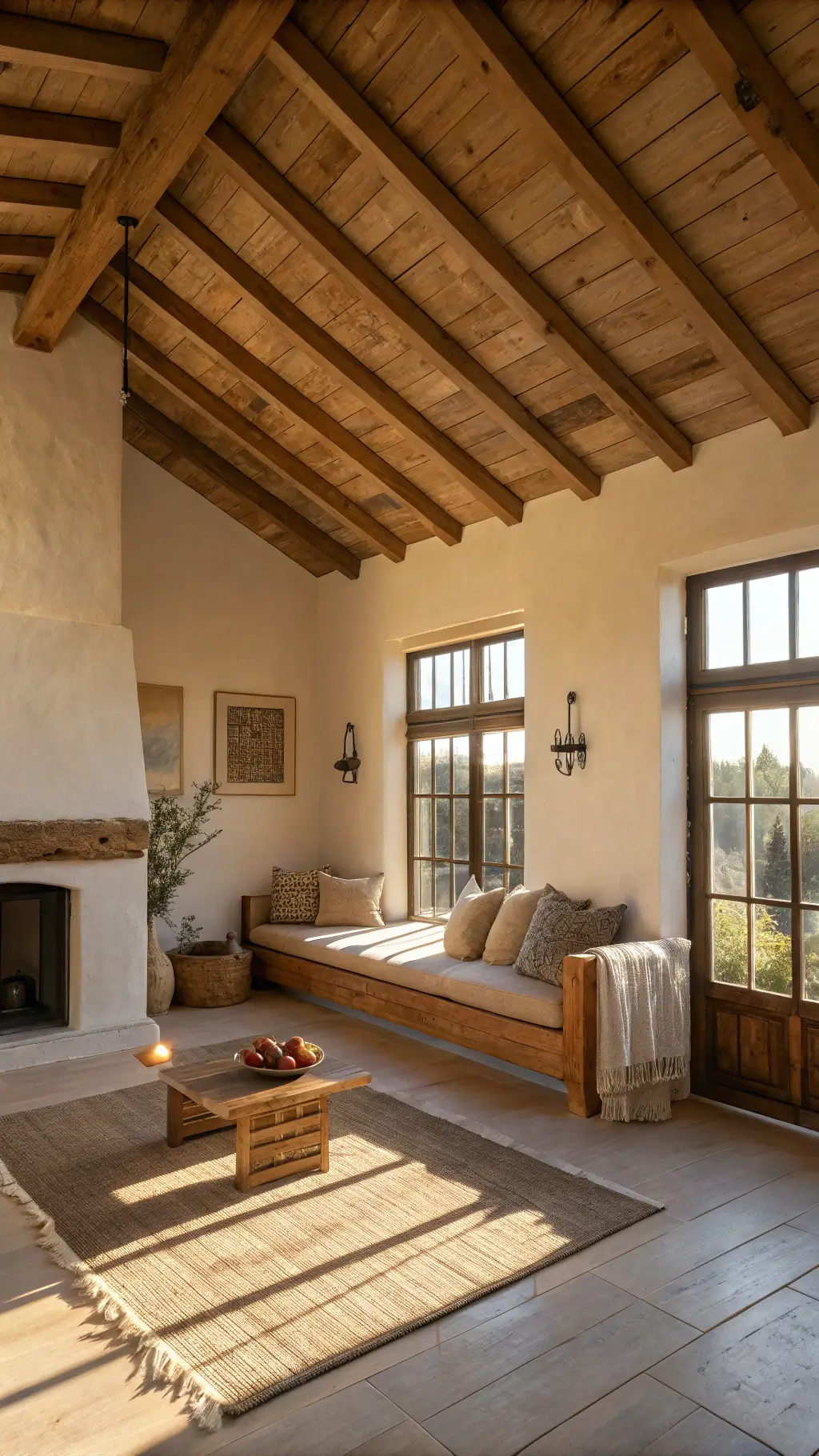
Fundamental Tenets of Wabi Sabi in Architecture
1. Celebrating Imperfect Beauty
Wabi sabi challenges the obsession with flawless finishes and sharp precision. Instead, it finds elegance in:
- Textured, hand-finished surfaces
- Organic, irregular contours
- Natural inconsistencies in materials
- Artisanal craftsmanship that embraces uniqueness
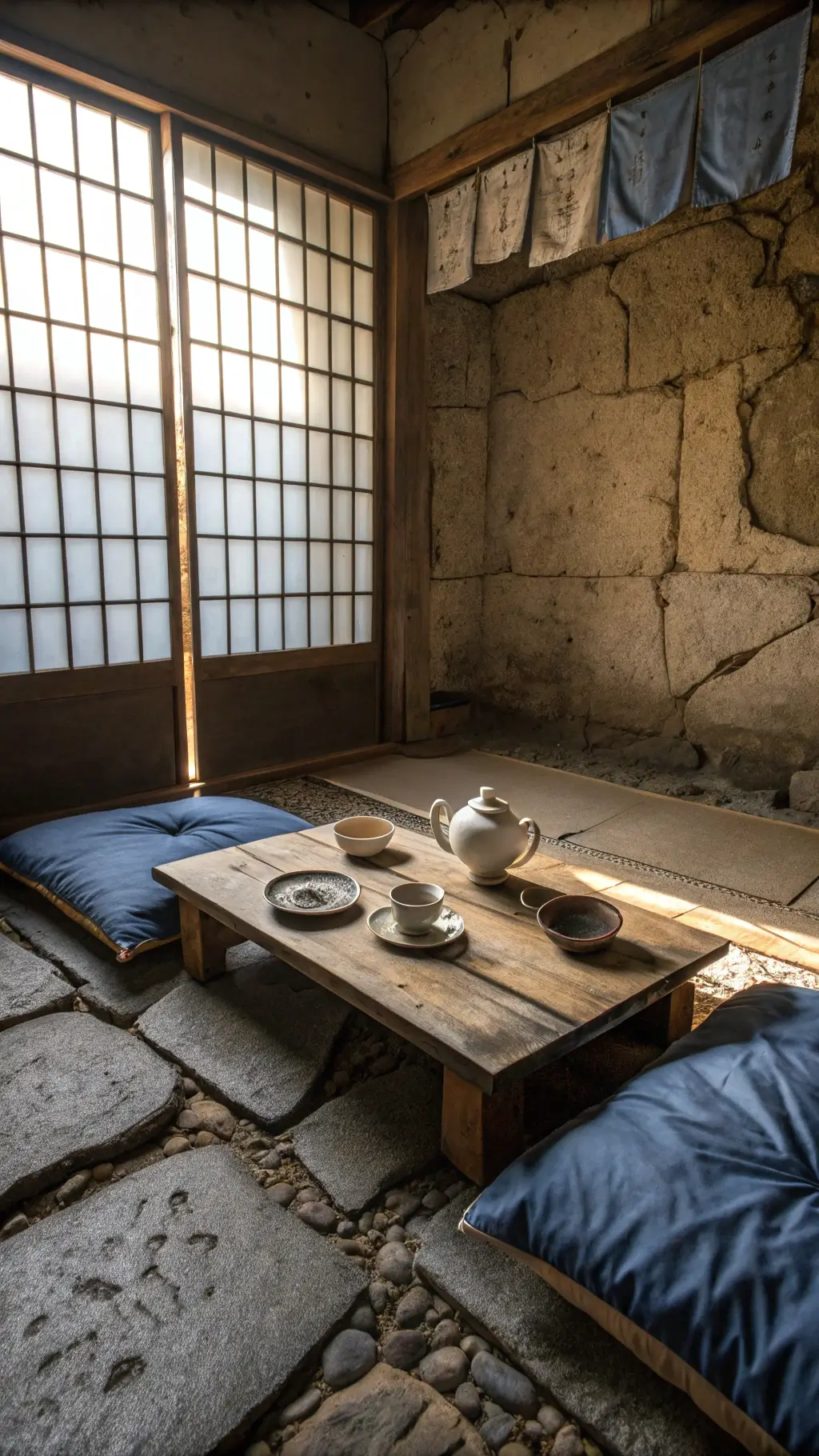
2. Materials That Narrate Their Own History
Wabi sabi architecture favors elements that:
- Age with Grace: Think of wood that develops a silver patina or stone that softens with weathering.
- Reveal Their Origins: Raw clay, unrefined wood, and natural stone surfaces that avoid artificial gloss.
- Exude Genuine Character: Eschewing synthetic finishes in favor of authentic textures.
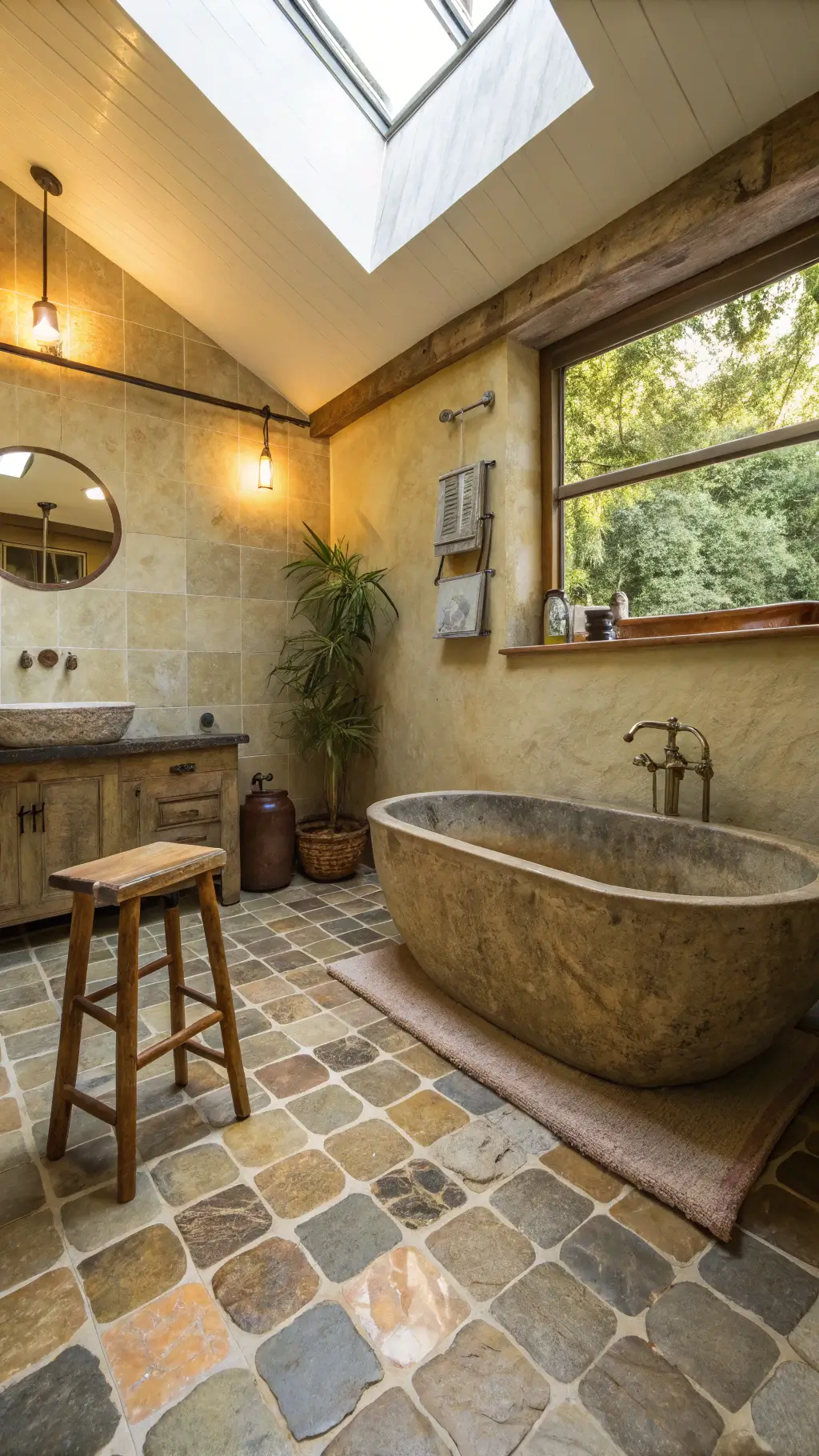
3. A Subdued Palette That Soothes
Rather than vibrant hues, wabi sabi embraces a color scheme that whispers rather than shouts, including:
- Earthy, muted tones
- Soft greys and taupes
- Warm browns and beiges
- Neutral shades that foster tranquility
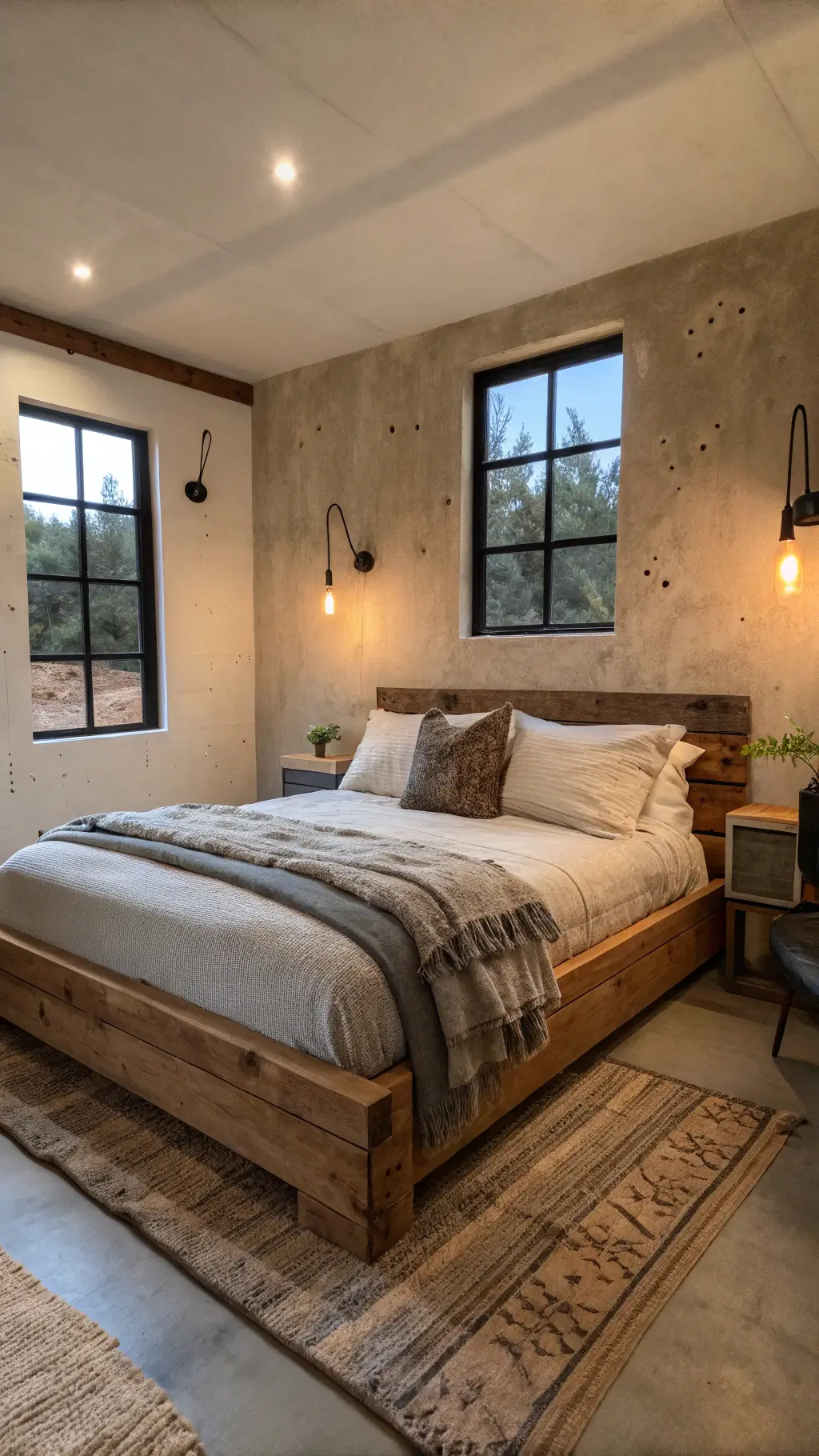
Iconic Examples of Wabi Sabi in Architecture
The Ise Shrine: A Testament to Transience
More than a sacred site, the Ise Shrine exemplifies wabi sabi by being reconstructed periodically using age-old methods. This ritual highlights the philosophy’s core message: Impermanence is a source of beauty.
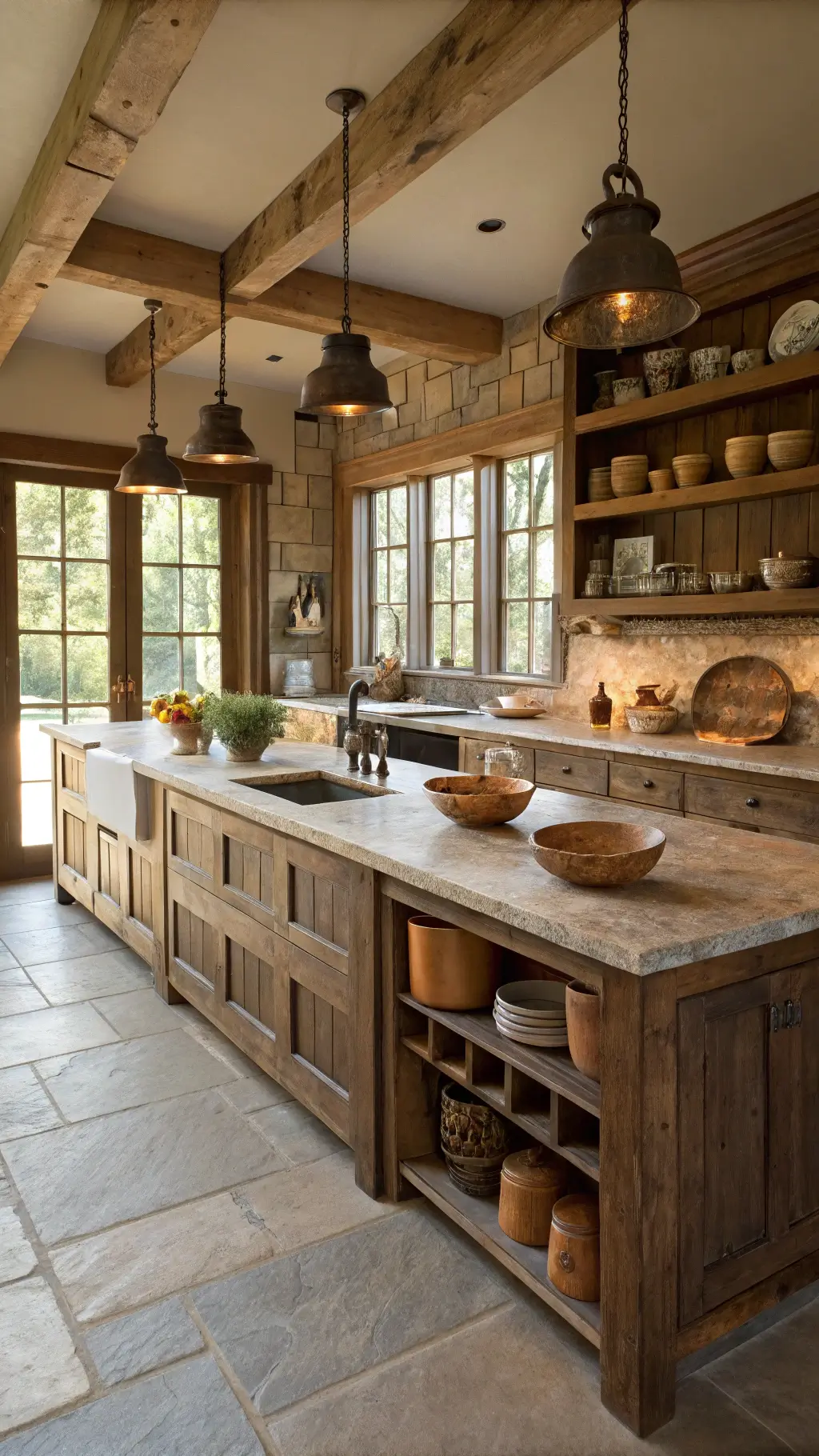
Contemporary Adaptations of Wabi Sabi
Modern designers are increasingly inspired by wabi sabi principles, incorporating:
- Eco-friendly, sustainable building materials
- Designs that evolve naturally over time
- Spaces that encourage breathing room and organic growth
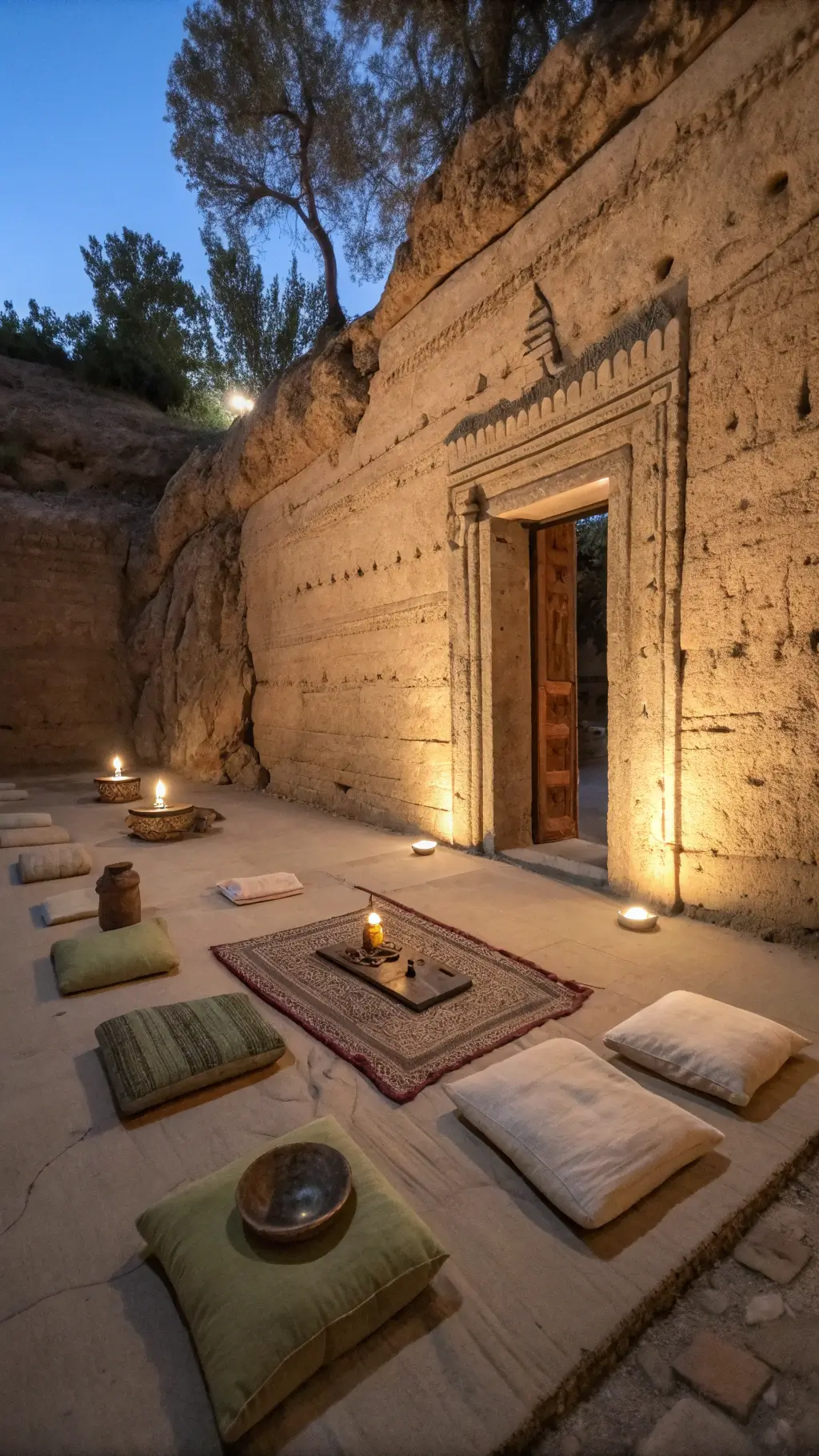
How to Infuse Wabi Sabi into Your Living Space
Design Approaches to Embrace
- Favor Artisan-Made Items Over Factory-Made
- Honor the Patina of Use and Time
- Seek Out Genuine, Unrefined Materials
- Create Spaces That Encourage Reflection and Calm
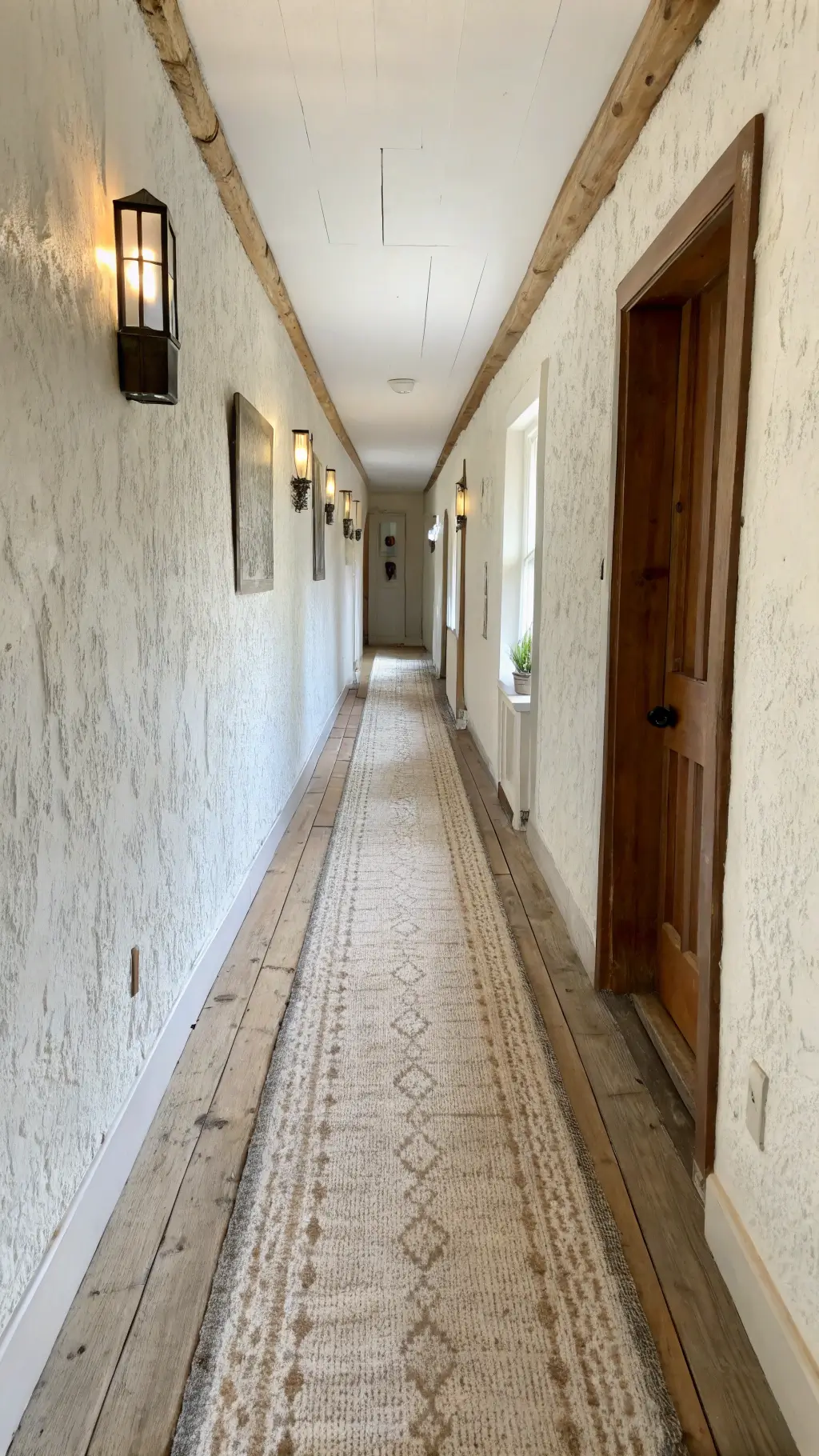
Choosing the Right Materials
- Unfinished and reclaimed woods
- Stone with natural color and texture variations
- Clay and ceramics that reveal handcrafting marks
- Textiles with organic, tactile weaves
Why Wabi Sabi Resonates in Today’s World
In an era dominated by digital perfection and mass-produced goods, wabi sabi offers a refreshing alternative that emphasizes:
- Environmental Responsibility
- Mindful Living
- Harmony with Nature’s Cycles
- Authentic and Meaningful Design
“True beauty lies not in flawlessness, but in embracing the uniqueness of imperfection.” – Inspired by Wabi Sabi
The Deeper Emotional Connection of Wabi Sabi
More than a style, wabi sabi invites us to perceive the world through a lens that values the transient, the imperfect, and the deeply personal aspects of existence.
Closing Reflections
Wabi sabi architecture teaches us to let go of the pursuit of perfection and instead cherish the journey, the marks left by time, and the imperfect details that define our individuality.
Are you prepared to embrace a new perspective on beauty?
Explore wabi sabi decor to start transforming your space with authentic, imperfect charm.
Discover handcrafted ceramics that embody the spirit of wabi sabi.
Find natural wood furniture that ages beautifully over time.
