
Discovering the Charm of a Wabi Sabi Garden: Celebrating Nature’s Flawed Elegance
Designing a wabi sabi garden transcends traditional gardening-it’s a mindful practice that honors imperfection, the passage of time, and the understated allure that arises when we embrace nature’s unpredictability.
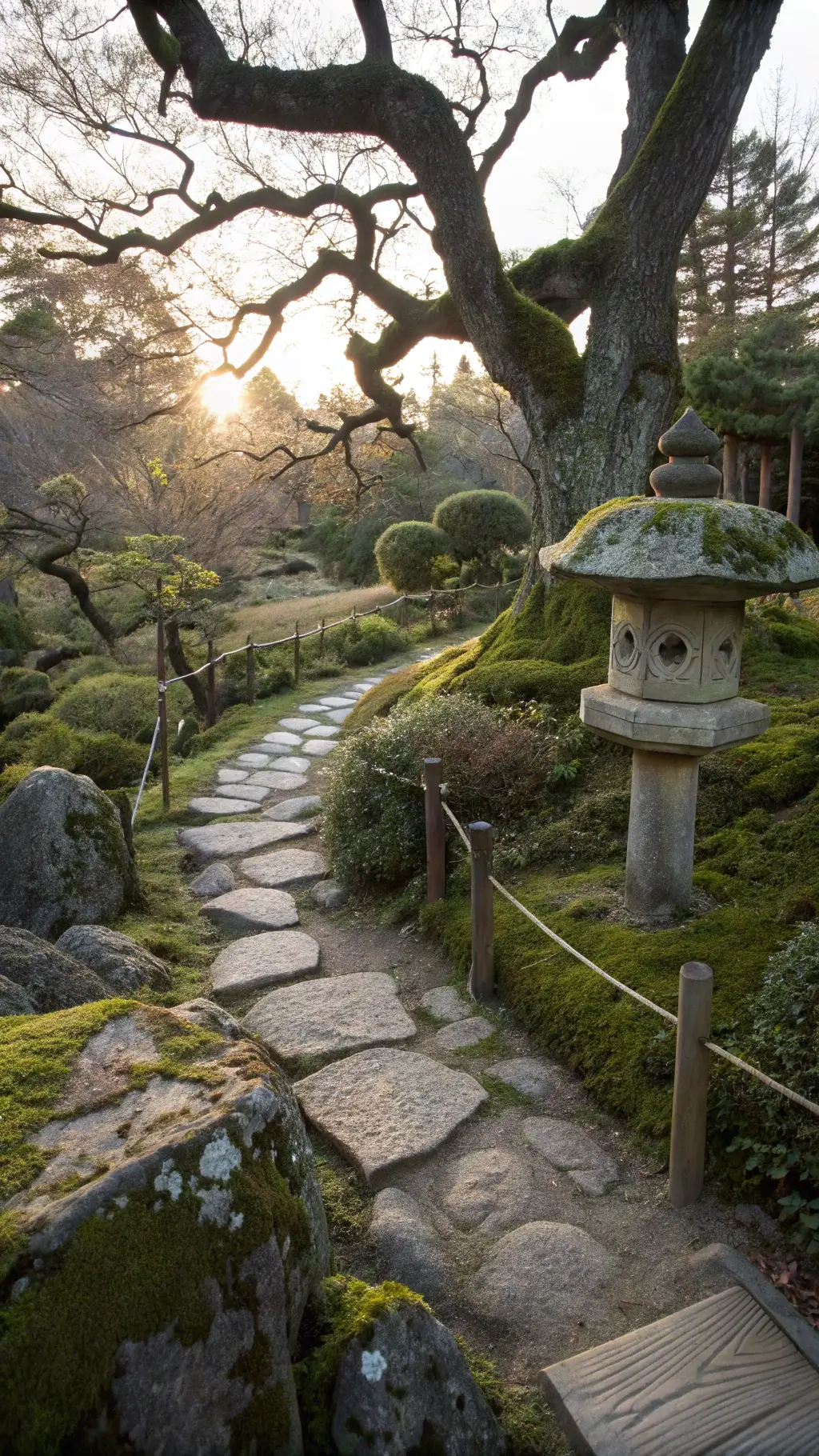
Understanding the Essence of a Wabi Sabi Garden
Picture a garden that speaks softly, inviting quiet reflection rather than commanding attention. This space is characterized by:
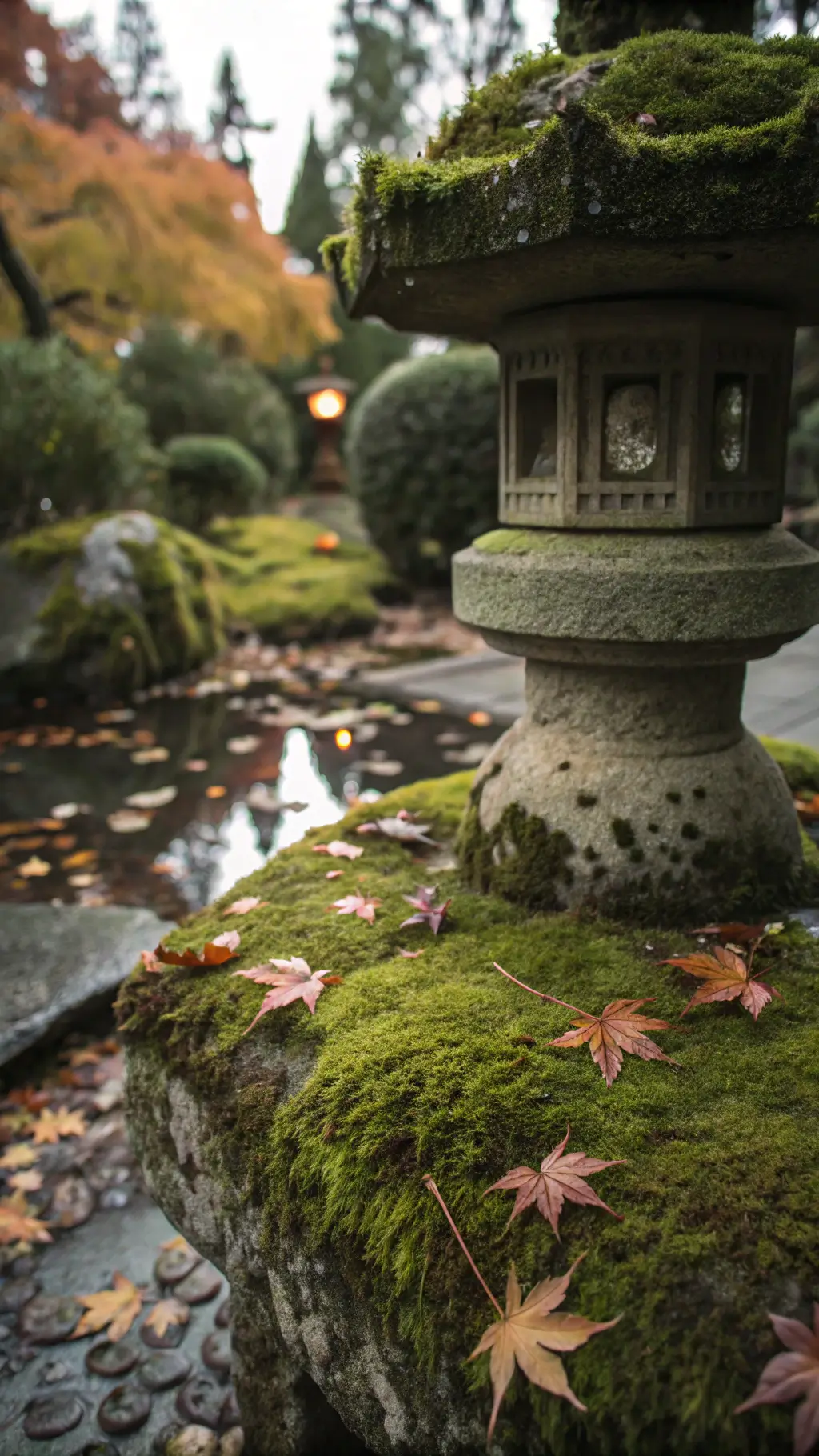
- Stones cloaked in moss that evoke stories of time
- Wood that bears the marks of weather and endurance
- Flaws and irregularities embraced as part of the design
- A harmonious flow that follows nature’s own pace
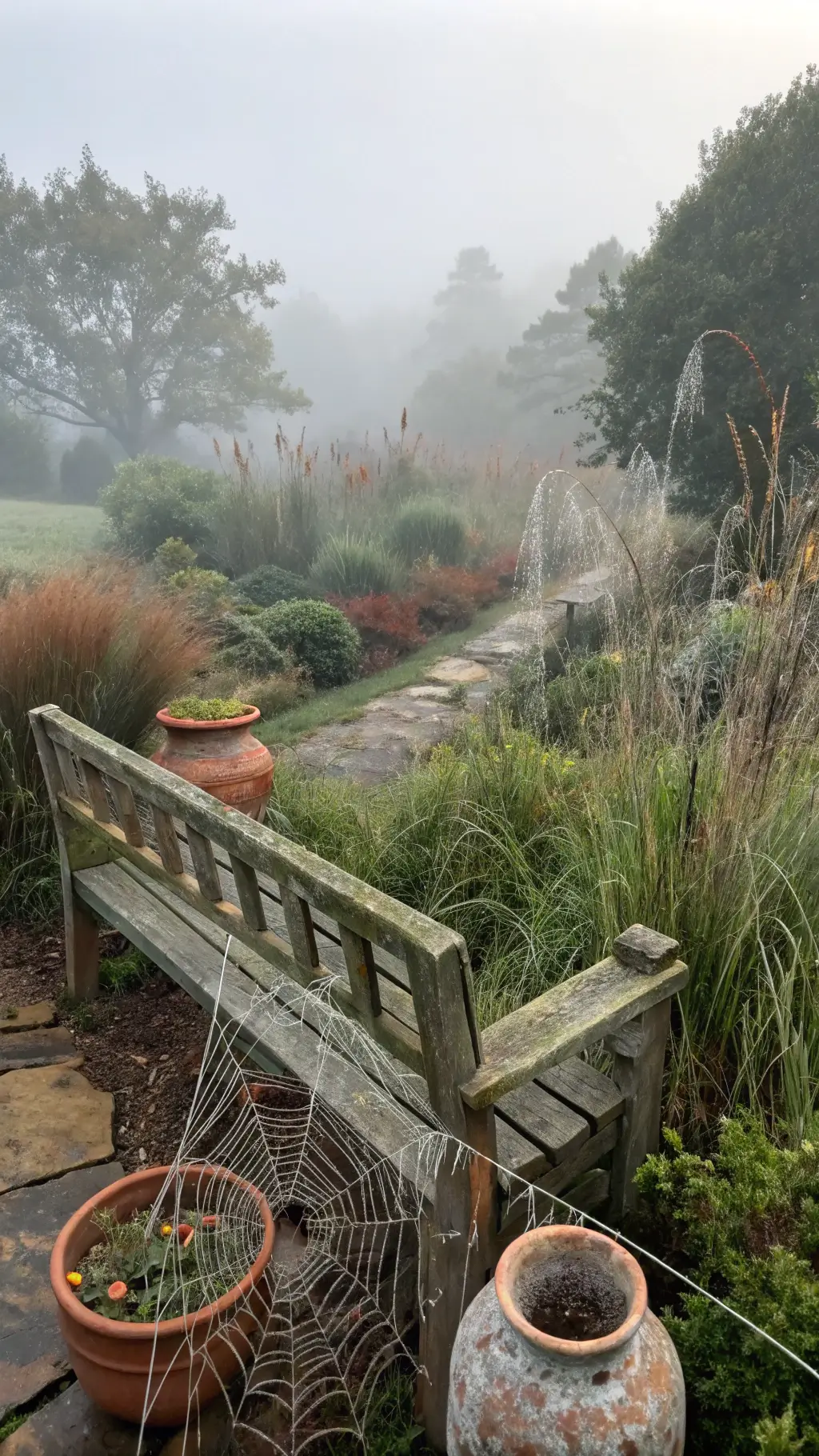
Why Choose to Cultivate a Wabi Sabi Garden?
This style of garden is far from the polished, overly manicured landscapes common today. It appeals to those who:
- Seek a sanctuary of calm and serenity
- Value subtle, understated aesthetics
- Prefer an outdoor space that requires minimal upkeep
- Desire a deeper bond with the cycles of nature
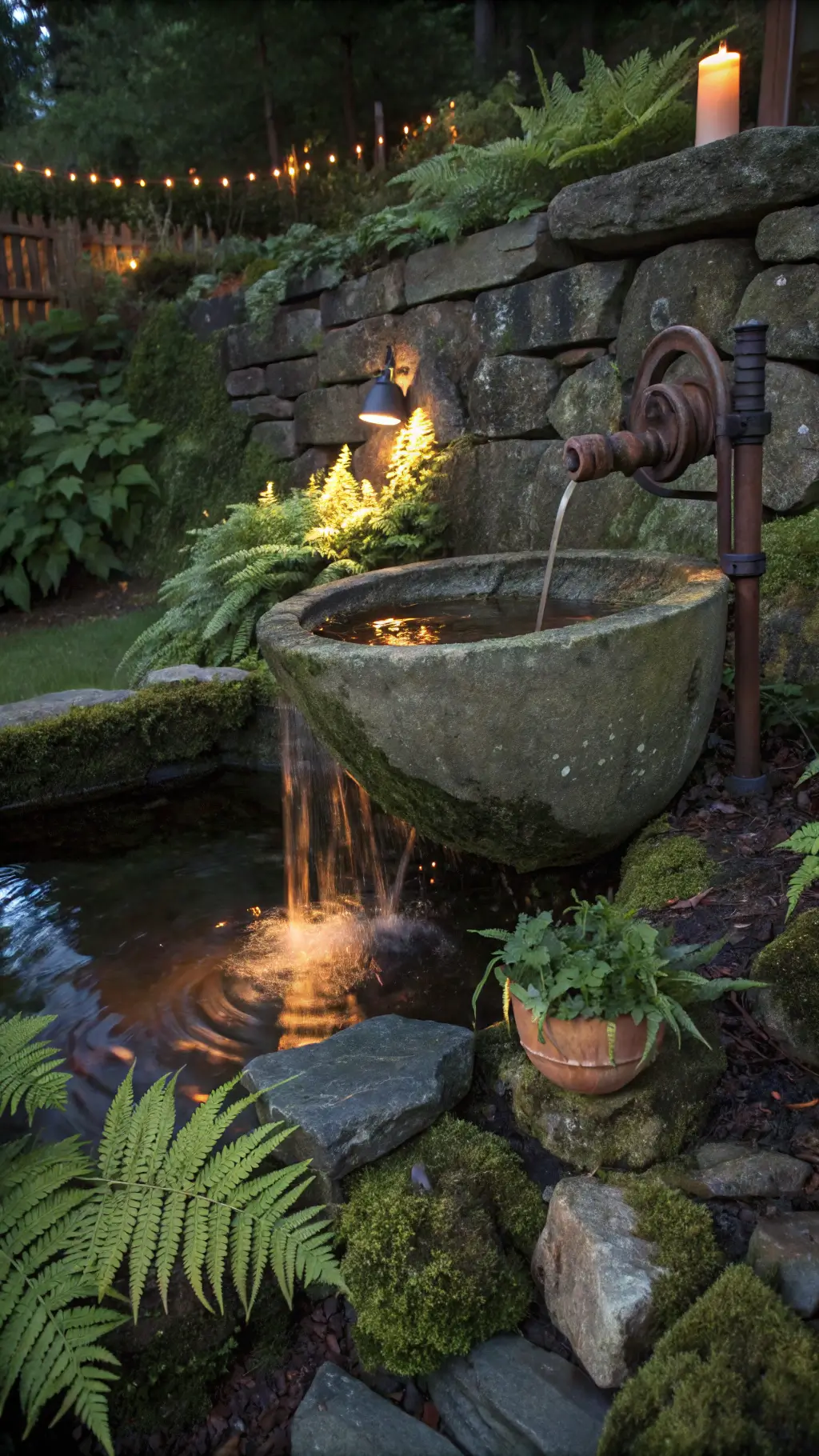
Core Components for Crafting Your Wabi Sabi Garden
Fundamental Materials to Incorporate
- Wood aged by weather and time
- Stones blanketed in lush moss
- Metal elements with natural rust patinas
- Indigenous plants showcasing diverse textures
- Simple, handcrafted ceramics
fallen leaves on uneven earth, and an aged bronze vessel filled with dried seed heads in earthy tones.” style=”max-width: 100%; height: auto;” src=”https://redboth.com/wp-content/uploads/2025/11/1762086399_994_Wabi-Sabi-Garden-Embracing-Natures-Raw-Imperfect-Beauty.webp.webp”/>
Design Principles: Embracing Simplicity and Natural Flow
The heart of wabi sabi design lies in:
- Irregular, asymmetrical layouts
- Soft, earthy hues that blend with the environment
- Allowing natural aging and weathering to enhance character
- Minimal interference with natural processes
How to Build Your Wabi Sabi Garden: A Practical Guide
1. Preparing the Ground
- Clear the area of modern, artificial elements
- Retain natural debris like fallen leaves and twigs to enrich the soil
- Remove sharp or overly polished materials that disrupt the natural feel
2. Arranging the Foundation
- Start by placing large, mossy stones to anchor the space
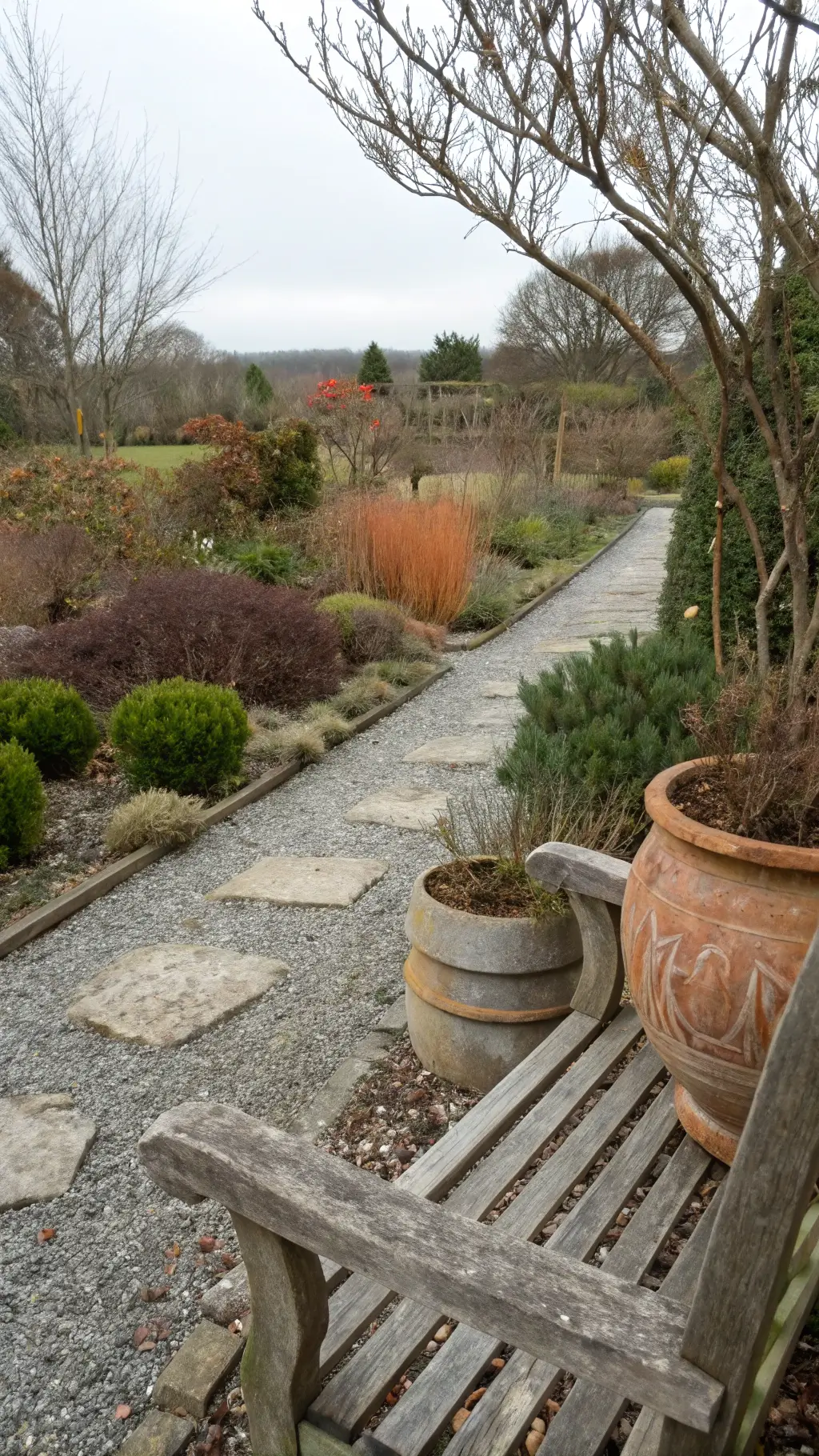
- Design informal, meandering paths using gravel or natural stepping stones
- Ensure pathways feel organic rather than rigidly structured
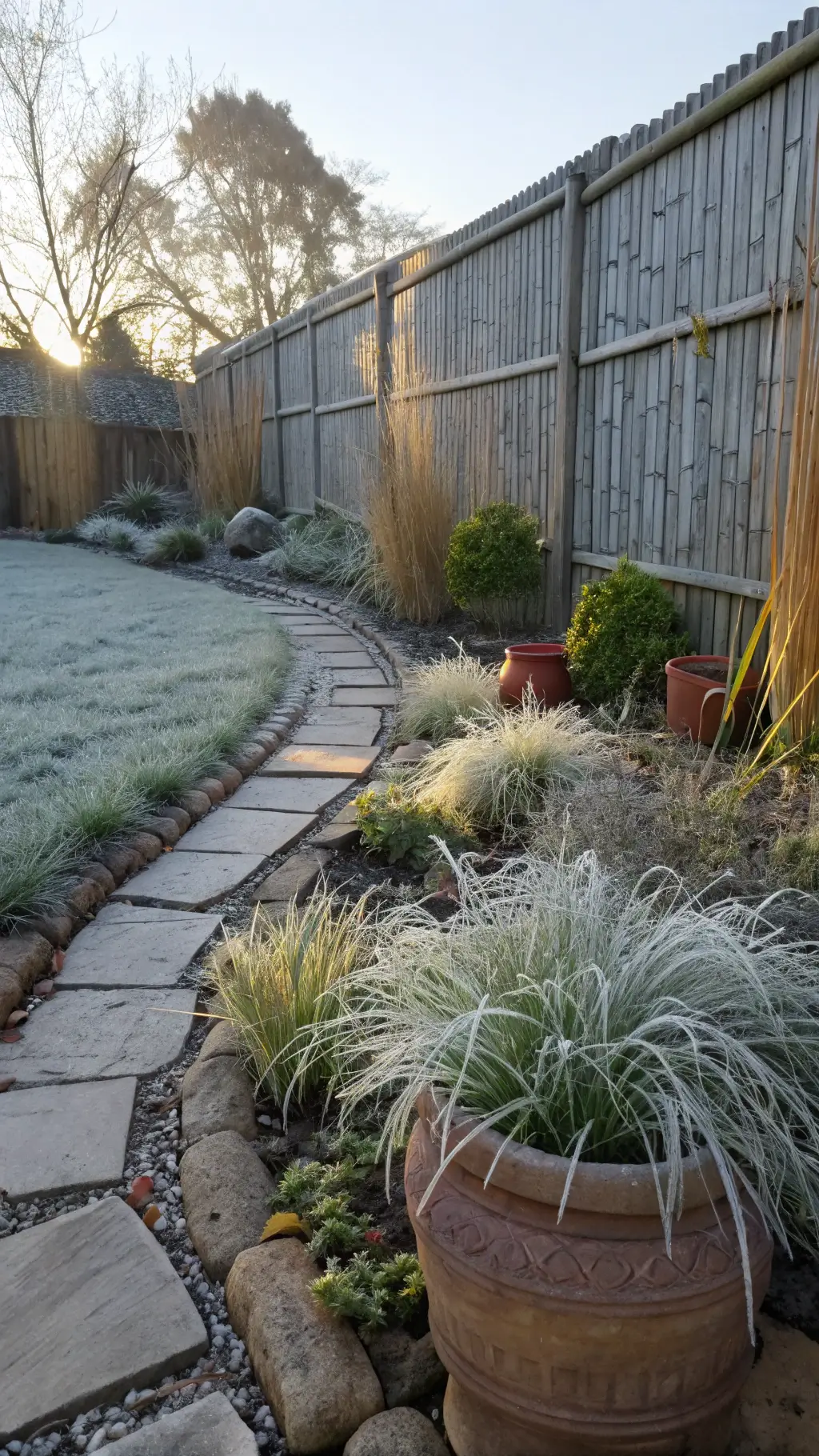
3. Selecting Plants
Opt for flora that:
- Exhibit striking seasonal transformations
- Offer a variety of tactile experiences
- Grow with a natural, untamed elegance
Suggested species include:
- Japanese maple
- Moss varieties
- Ferns
- Ornamental grasses
- Native groundcovers
Expert Styling Tips for a Wabi Sabi Garden
- Prioritize Texture: Combine diverse natural materials to create depth
- Favor Asymmetry: Steer clear of rigid, symmetrical patterns
- Welcome Natural Aging: Allow elements to weather and evolve gracefully
- Keep Accessories Minimal: Every item should have a meaningful presence
Cost-Effective Strategies for Your Garden
- Gather materials from your local environment
- Incorporate existing garden features
- Repurpose vintage ceramics and pottery
- Collect unique stones during nature walks
- Propagate plants from nearby gardens or wild areas
Adapting Your Garden Through the Seasons
Spring
- Fresh, tender new growth
- Emerging carpets of moss
- Soft, delicate blossoms
Summer
- Vibrant, lush greenery
- Subtle herbaceous plants
- Natural shaded retreats
Autumn
- Decorative fallen leaves
- Richly colored foliage
- Dried seed heads adding texture
Winter
- Exposed, bare branches
- Highlighting stones and moss
- Focus on structural garden elements
Maintenance Tips: Effortless Care for Lasting Beauty
- Perform gentle pruning sparingly
- Allow plants to grow in their natural form
- Remove only invasive or aggressive weeds
- Appreciate the beauty in natural decay and transformation
Common Pitfalls to Steer Clear Of
- Overcomplicating the design
- Introducing bright, unnatural colors
- Maintaining overly tidy, sterile conditions
- Forcing symmetry where it doesn’t belong
- Clearing away all natural debris
Final Thoughts: The Living Art of a Wabi Sabi Garden
A wabi sabi garden is less about construction and more about discovery. It invites you to find beauty in impermanence, to embrace the natural ebb and flow of life, and to recognize that true perfection lies in imperfection.
Your garden will evolve as a dynamic piece of living art, narrating its own story through the seasons and years.
Insider Tip: Document your garden’s changes with photos throughout the year. Witness how it transforms into a unique testament to time and nature’s artistry.
