
The Essence of Wabi Sabi Pottery: Celebrating Beauty in Imperfection
Running my fingers along the uneven edge of a handcrafted tea bowl, I sense every subtle dent, crack, and asymmetry. This piece is far from flawed-it embodies the spirit of wabi sabi pottery, an art form that honors imperfection as a source of profound beauty.
Understanding Wabi Sabi Pottery: A Philosophy Beyond Craftsmanship
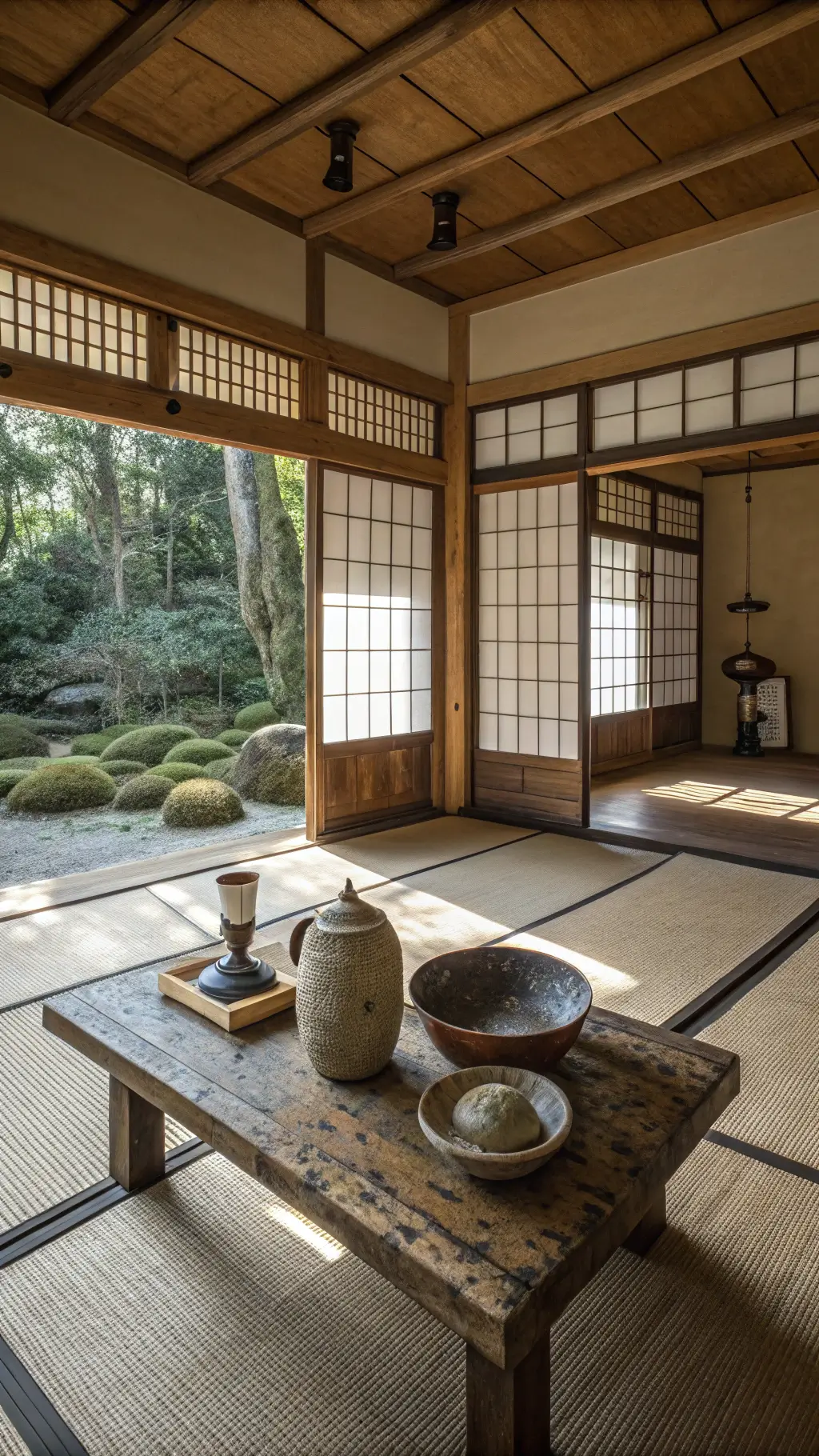
More than just a pottery style, wabi sabi represents a philosophical approach rooted in Zen Buddhism that finds elegance in the transient and imperfect. Unlike Western ideals that often prize symmetry and flawlessness, wabi sabi embraces the natural cycle of growth and decay, transforming what might be seen as defects into meaningful expressions of life’s impermanence.
Defining Elements of Wabi Sabi Pottery
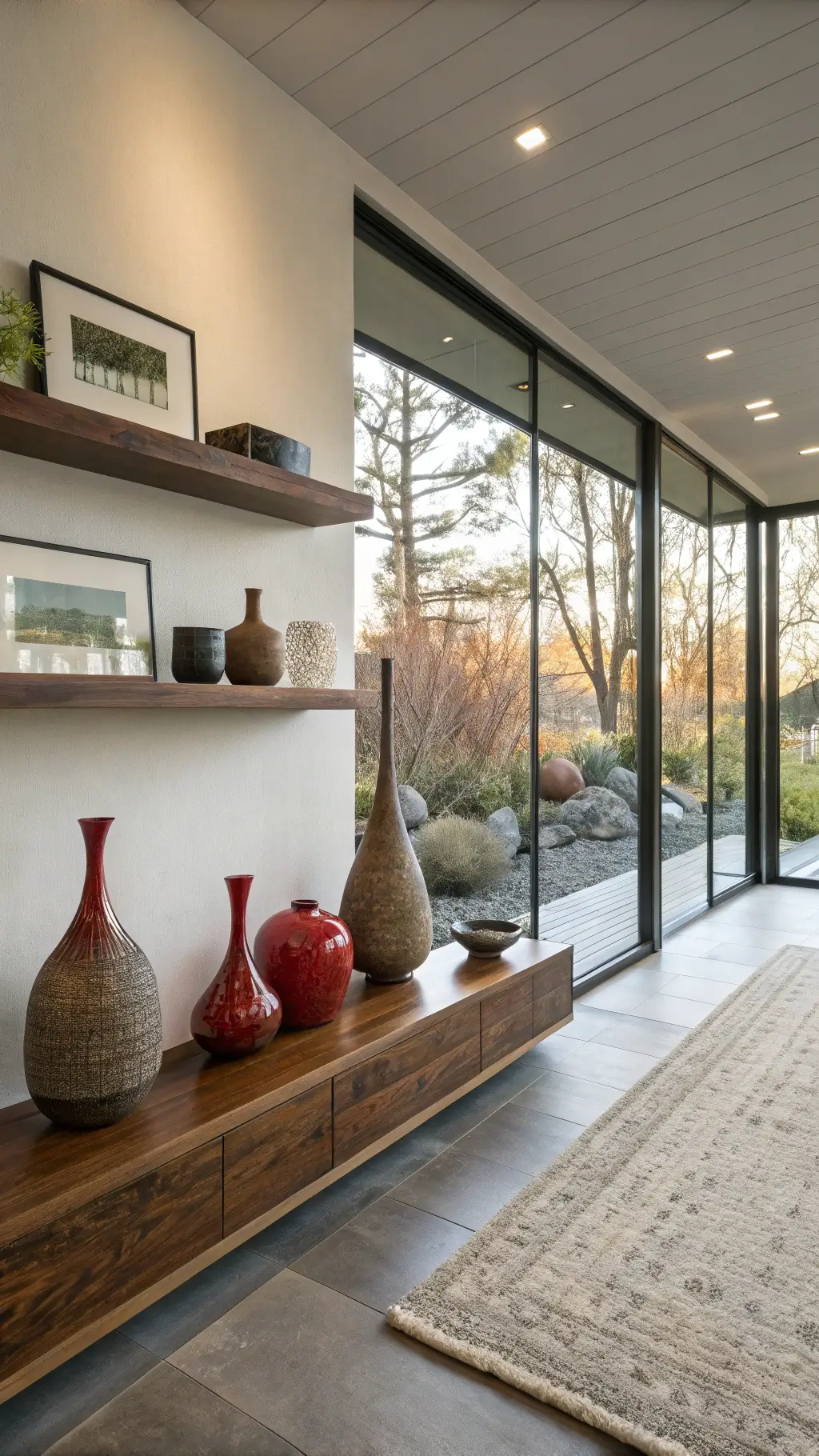
- Irregular, asymmetrical forms that defy precise geometry
- Textured surfaces that reveal the artist’s hand and process
- Earth-inspired, subdued color schemes reflecting natural materials
- Deliberate imperfections that narrate the object’s history
- Visible repairs that honor the object’s resilience and continuity
Philosophical Underpinnings of Wabi Sabi
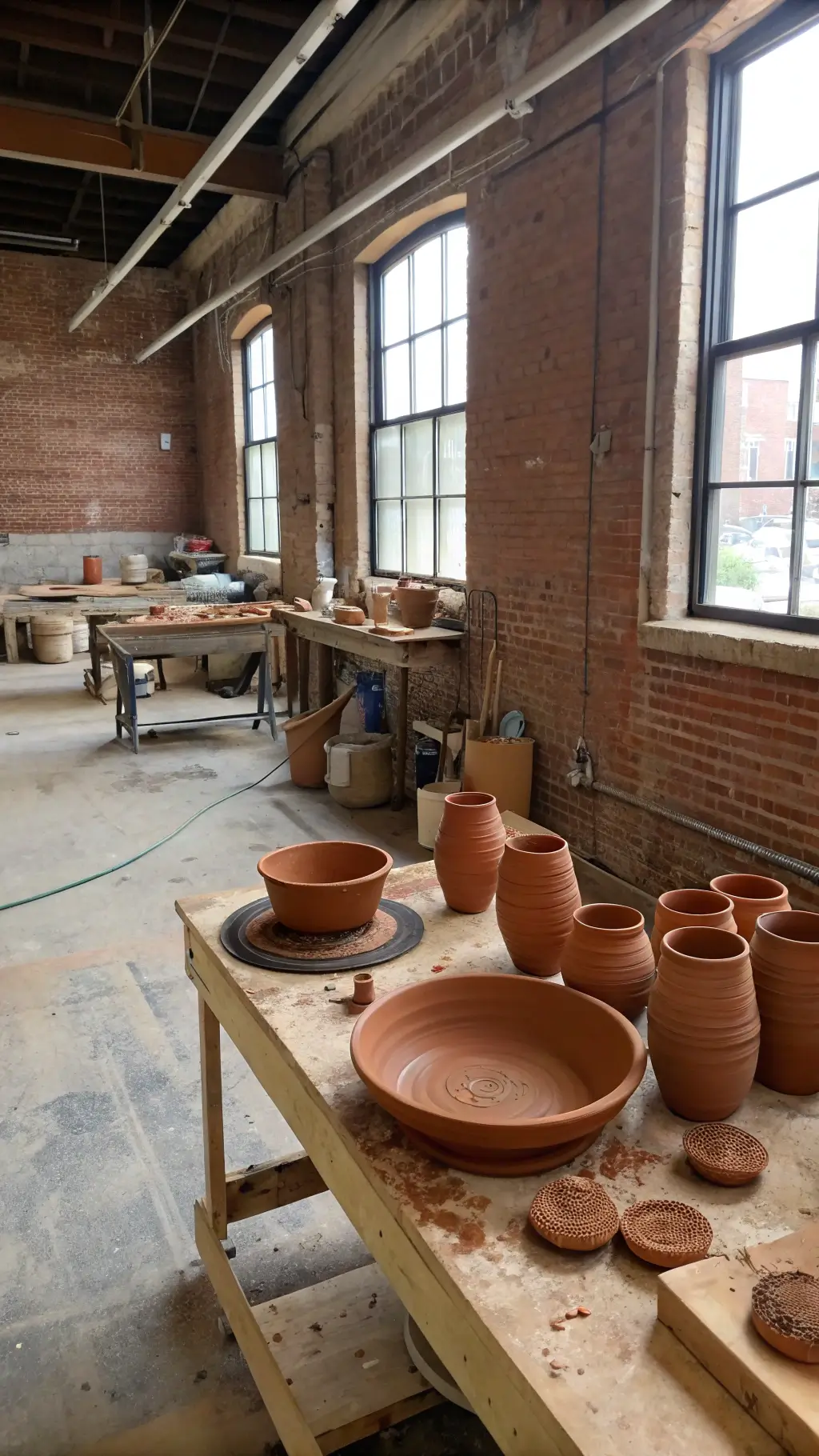
Consider a ceramic vessel with a visible crack. In many cultures, such an item might be discarded. However, within the wabi sabi worldview, this fracture symbolizes endurance and the beauty of impermanence. The philosophy gently reminds us that flaws are not shortcomings but rather marks of survival and authenticity.
Traditional and Modern Techniques in Wabi Sabi Ceramics
- Kintsugi: The exquisite practice of mending broken pottery with precious metals like gold or silver lacquer, highlighting rather than hiding damage
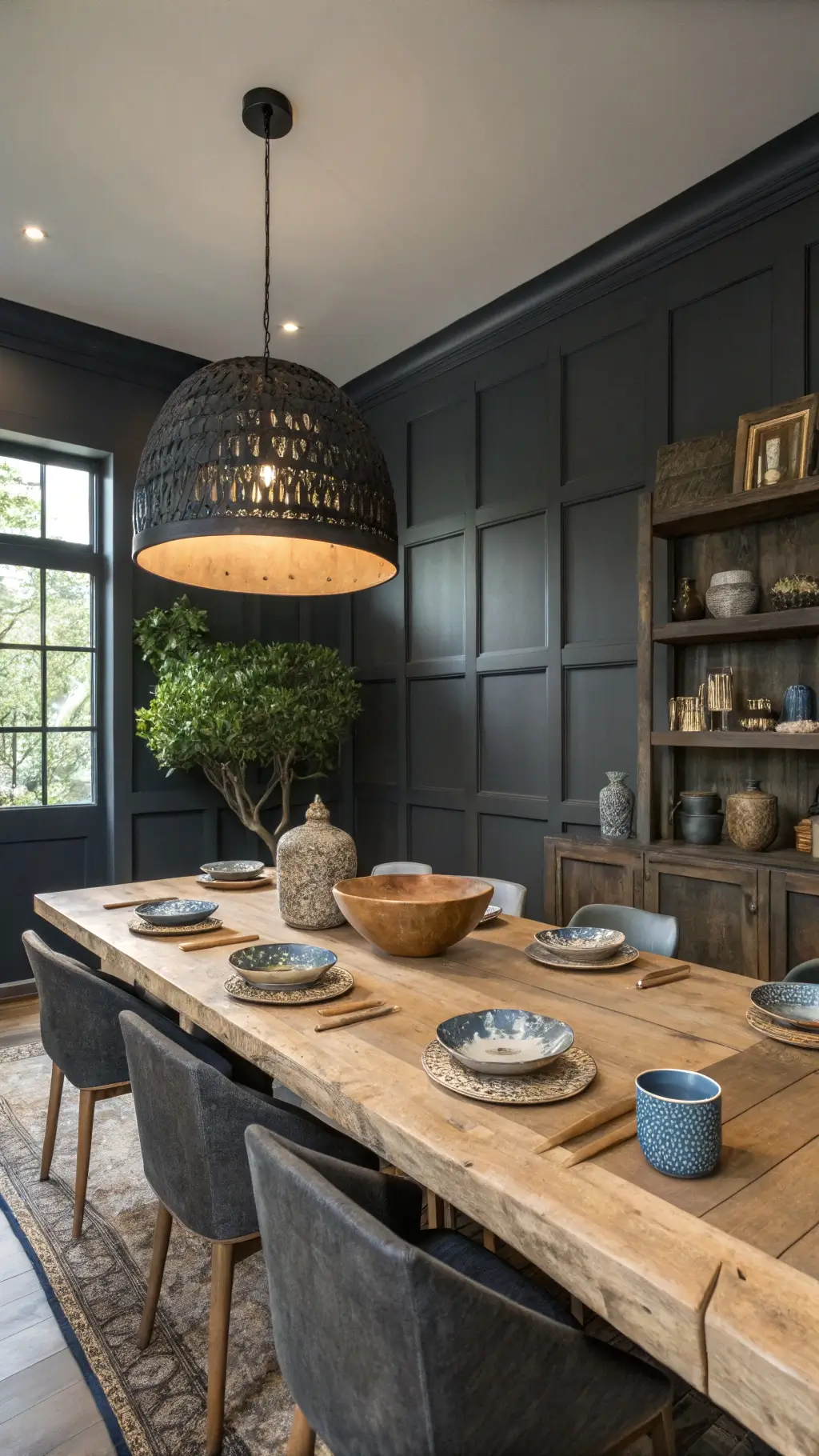
- Hand-building: Crafting pieces by hand to preserve the unique fingerprints and gestures of the maker
- Natural glazing: Utilizing unpredictable, organic glazes that enhance the piece’s individuality
- Intentional asymmetry: Designing forms and finishes that celebrate irregularity and spontaneity
Cultural Importance of Wabi Sabi Pottery
Within the context of traditional Japanese tea ceremonies, wabi sabi ceramics serve as more than functional objects-they are spiritual vessels that embody simplicity, humility, and the fleeting nature of existence. These pieces invite mindfulness and reflection, turning everyday rituals into profound experiences.
Contemporary Resurgence and Global Influence
Today, artists and designers worldwide are embracing wabi sabi as a counterpoint to mass-produced perfection. This aesthetic encourages a return to authenticity, valuing the handmade and the imperfect. Its influence extends beyond pottery into architecture, fashion, and lifestyle, inspiring a broader appreciation for natural beauty and impermanence.
Incorporating Wabi Sabi Pottery into Your Home
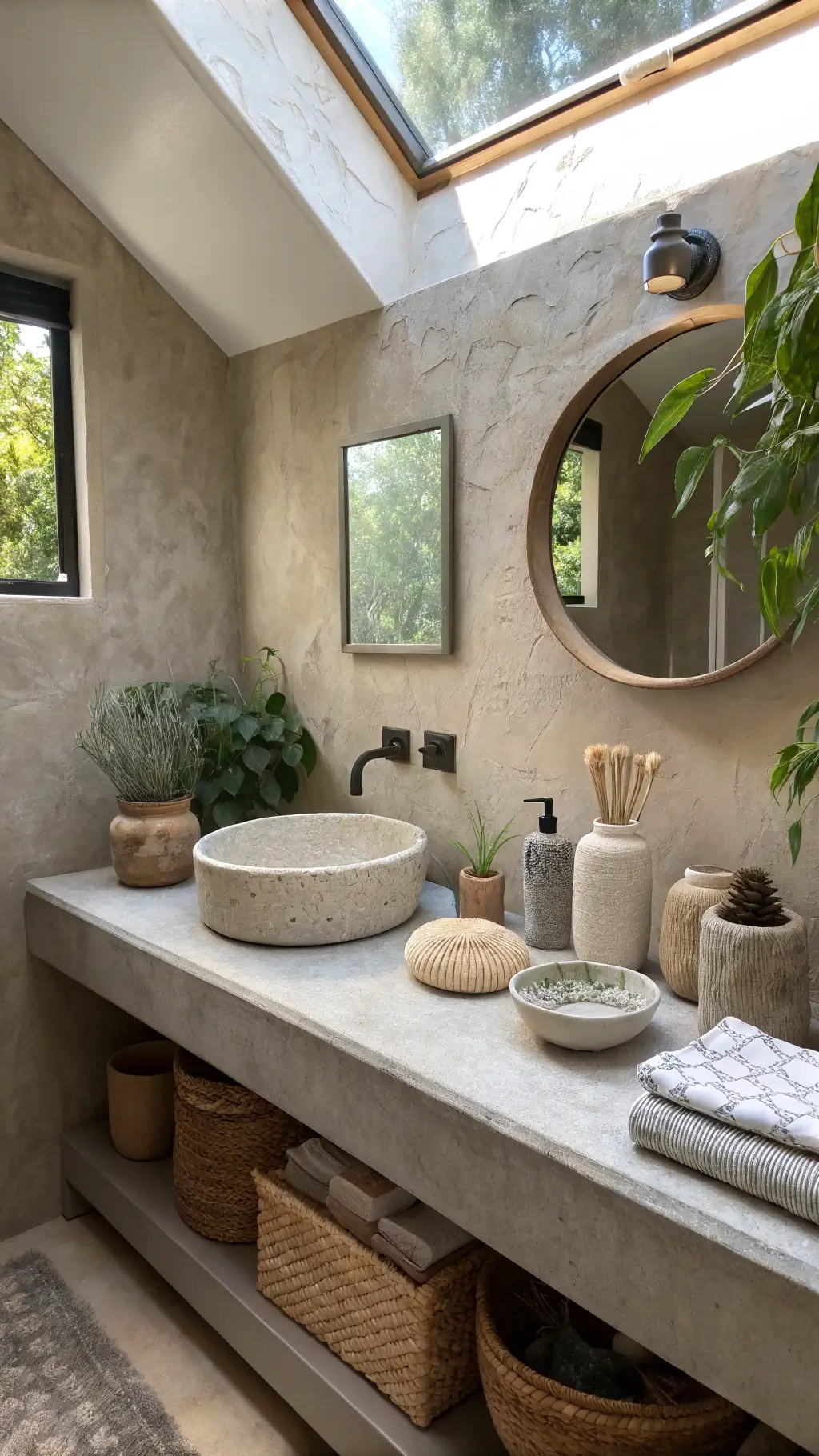
- Feature individual pieces as focal points in your décor
- Pair with minimalist interiors to highlight their understated charm
- Combine with organic materials such as reclaimed wood and natural stone
- Create serene spaces that encourage contemplation and mindfulness
Explore a curated selection of wabi sabi pottery to bring this timeless aesthetic into your living space.
Collector Advice for Wabi Sabi Enthusiasts
- Seek out pieces that showcase the artist’s hand through visible textures and marks
- Embrace natural variations in hue and surface finish as part of the charm
- Prioritize items with a weathered or aged appearance over flawless condition
- Remember that each artifact carries its own unique narrative and character
Insider Tip: Wabi sabi is not about manufacturing imperfection but about recognizing and valuing the inherent beauty found in natural evolution and wear.
A Personal Connection to Wabi Sabi
Every encounter with a wabi sabi ceramic piece reminds me that true beauty lies not in flawlessness but in authenticity-shaped by time, experience, and the subtle marks of life’s journey.
Summary of Wabi Sabi Pottery
- Origin: Rooted in Zen Buddhist philosophy
- Core Belief: Finding beauty in impermanence and imperfection
- Visual Style: Simple, natural, and asymmetrical forms
- Cultural Role: Integral to Japanese tea ceremonies and spiritual practice
Closing Reflections
Wabi sabi pottery transcends decorative art, offering a gentle challenge to our culture’s fixation on perfection. It invites us to appreciate the stories etched into every crack and the quiet dignity of imperfection, reminding us that our own flaws and experiences are what make us truly beautiful.
References:
[Scholarly sources as previously mentioned]
